

CGM Continuous Glucose Monitoring Market Overview: A $1.37 Billion Industry Dominated by 10 Key Players

Medtronic
Medical Device Manufacturer
For patients with diabetes, blood glucose testing is as essential as eating, forming an indispensable part of their daily routine. Currently, the most widely used device for this purpose is the capillary blood glucose meter. However, this method has certain limitations: it only provides a snapshot of blood glucose levels at a specific moment and cannot monitor fluctuations during activities such as exercise, meals, or sleep. Furthermore, the finger-prick procedure itself constitutes a physiological stressor, meaning that the measured value may not accurately reflect the patient’s true blood glucose status.
To comprehensively understand the 24-hour dynamic fluctuations in a patient's blood glucose levels, a novel glucose monitoring device—the Continuous Glucose Monitor (CGM)—has been introduced!
What is CGM?
CGM (Continuous Glucose Monitoring), i.e.Continuous Glucose Monitoring System, refers to a monitoring technology that indirectly reflects blood glucose levels by measuring the glucose concentration in subcutaneous interstitial fluid via a glucose sensor.
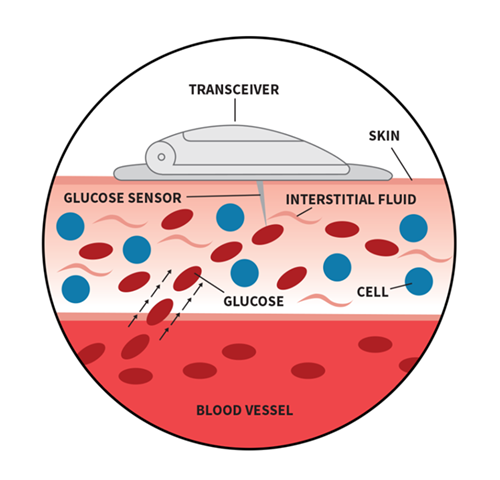
The CGM device industry can be categorized by product into sensors, transmitters, receivers, and insulin pumps. A sensor inserted subcutaneously generates electrical signals through the oxidation reaction between glucose in the patient’s interstitial fluid and the sensor. These electrical signals are then converted into blood glucose readings and transmitted wirelessly to a receiver. Guided by this data and visual trends, clinicians can comprehensively assess the patient’s 24-hour blood glucose fluctuations and, when necessary, coordinate with an insulin pump to administer insulin.
Historical Development of CGM
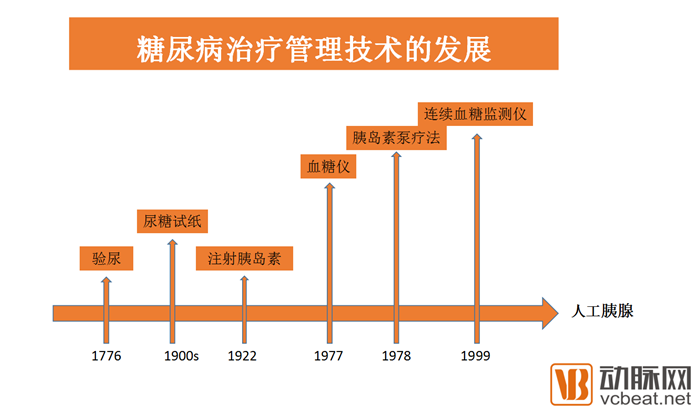
Looking at the history of technological advancements in diabetes management, we can see that continuous glucose monitoring (CGM) first emerged in 1999. The technology received approval from the U.S. Food and Drug Administration (FDA) in 1999 and was approved by China’s State Food and Drug Administration in 2001 for clinical and research applications. In 2006, CGM systems began to be commercially marketed, with the main FDA-cleared manufacturers being Dexcom, Medtronic, and Abbott.
Global CGM Market Overview
Continuous Glucose Monitoring (CGM) was initially applied in intensive care units or emergency monitoring centers within hospitals, but CGM devices suitable for home use are now available. These monitors can continuously, accurately detect, measure, and display patients' blood glucose levels. In the diabetes care market, continuous glucose monitoring is an innovative product that has established a niche market (referring to a market segment with abundant opportunities but limited scale, often overlooked by competitors).
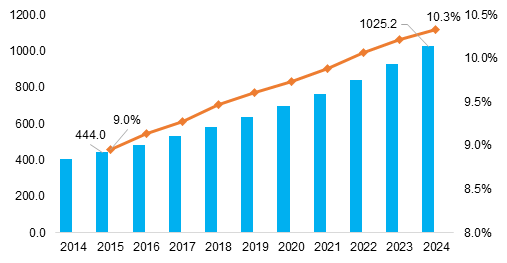
Image source: Coherent Market Insights Analysis (2017)
According to the latest 2017 CGM Insights Report released by U.S.-based Coherent Market Insights, the global continuous glucose monitoring (CGM) market was valued at USD 444 million in 2015 and is projected to expand at a compound annual growth rate (CAGR) of 9.8% from 2016 to 2024. By 2024, the global CGM market value is expected to reach USD 1.025 billion. Additionally, the latest CGM market forecast report published by Research and Markets indicates that the global CGMS market was valued at USD 878 million in 2016 and is anticipated to reach USD 1.3672 billion by 2025, representing a CAGR of 36.7%.
North America is expected to lead the CGM system market throughout the forecast period, driven by a large patient population and growing demand for patient monitoring devices in the region. Due to its technology-first approach and breakthrough research innovations, the United States dominates the regional market. The European CGM market was valued at USD 83 million in 2016; bolstered by R&D strengths in countries such as Israel and Switzerland, along with similar market demand, the region is projected to achieve a compound annual growth rate (CAGR) of 41.72%.
Furthermore, the rising prevalence of diabetes in India and China is creating significant opportunities for continuous glucose monitoring (CGM) systems in the Asia-Pacific region. In 2015, more than 200 million people in Asia were living with diabetes; by 2030, this number is estimated to exceed 300 million.
China Continuous Glucose Monitoring (CGM) Market Forecast
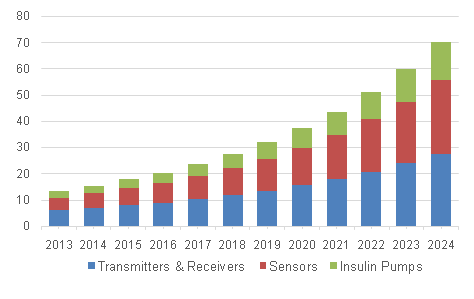
China Continuous Glucose Monitoring Device Market, by Product, 2013 - 2024 (USD Million)
According to Grand View Research’s forecast report on China’s continuous glucose monitoring (CGM) device market from 2013 to 2024, the Chinese CGM market is poised for a modest surge over the next seven years. By 2024, the market for continuous glucose monitoring sensors is projected to reach USD 55 million, while the transmitter and receiver segment is expected to attain USD 28 million. Insulin pumps hold the greatest potential, with an anticipated value-added growth of USD 70 million.
Major Global CGM Device Manufacturers and Related Companies
Although the continuous glucose monitoring (CGM) product market is still an emerging one, some vendors have already entered this field to seize first-mover advantage. International players include Medtronic, Dexcom, Abbott, GlySens, Insulet, Senseonics, and Bayer. Domestic companies primarily engaged in the development of CGM devices include Shengmeidinuo, MeiQi Medical, and Sinocare.
In addition to these companies, numerous enterprises worldwide are also engaged in the development of CGM devices. VCBeat (WeChat ID: vcbeat) has compiled a review of these companies (non-exhaustive), examining their main products, technologies, and current R&D status.
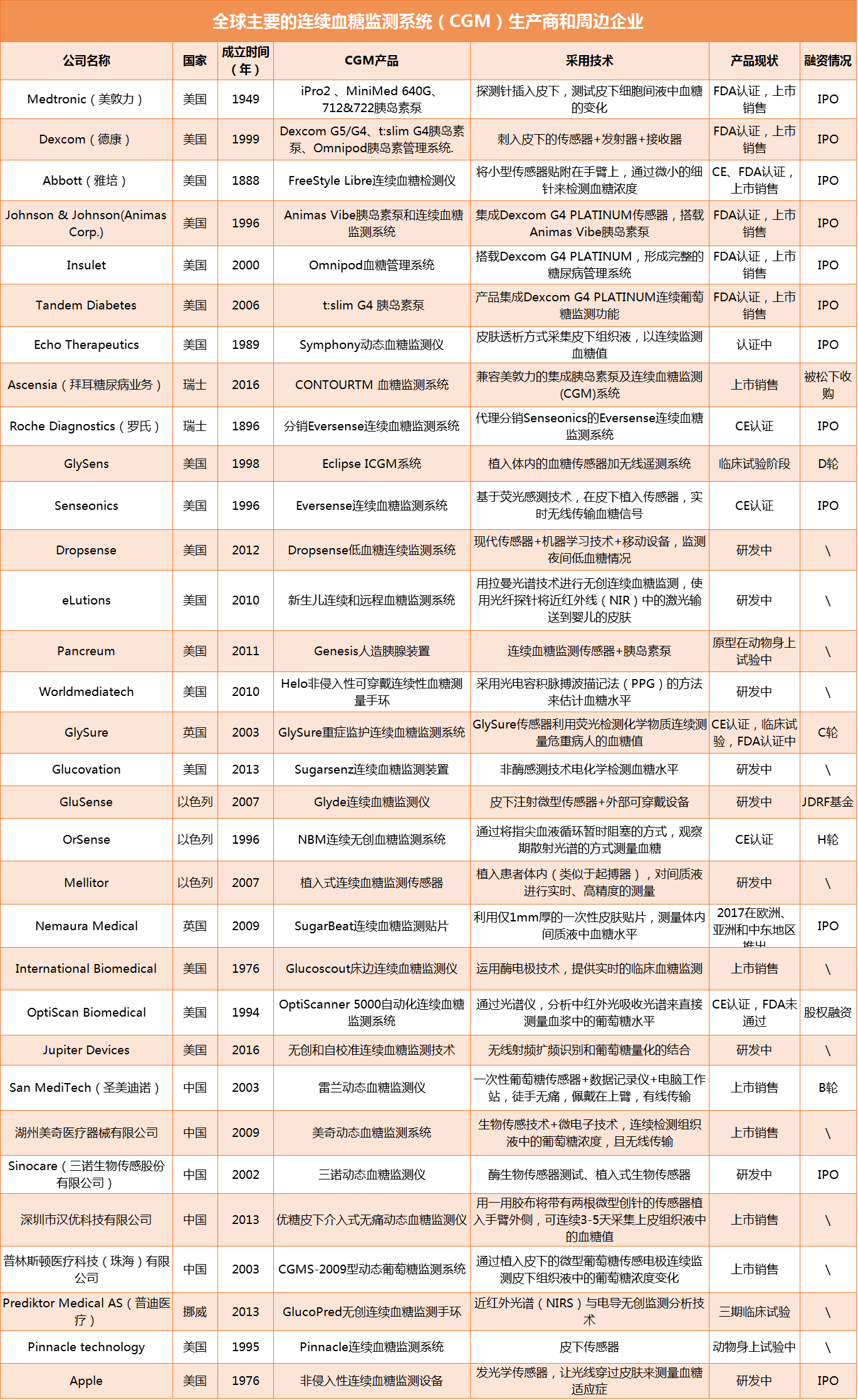
Company information in the chart can be queried in the VCBeat database. Scan the QR code at the end of the article to become a VCBeat member, and you can log in to the VCBeat mini-program/official website to use the database to query relevant company information.
Classification of Technologies Used in CGM
Among these 32 companies, we can see that continuous glucose monitoring (CGM) systems can be categorized into hospital-use and home-use types based on application scenarios, and into invasive and non-invasive types based on usage methods. Furthermore, CGM systems can be divided into six major categories according to the technologies employed.
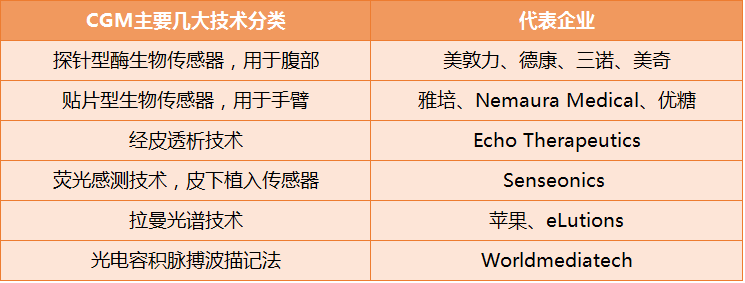
For instance, continuous glucose monitors (CGMs) represented by Medtronic and Dexcom measure blood glucose levels using inserted probe sensors, whereas products represented by Abbott and Nemaura achieve glucose monitoring through skin patches. Additionally, other methods include transdermal dialysis technology, Raman spectroscopy, and photoplethysmography (PPG).
Current Challenges Facing CGM Technology
CGM applications can alert patients to hypoglycemic events during intensive glycemic control, thereby reducing the incidence of such events. However, due to certain limitations in accuracy and cost, continuous glucose monitoring cannot replace traditional blood glucose meters in the short term.
1. The accuracy of the test remains debatable
Since CGM measures glucose levels in interstitial fluid rather than in venous or capillary blood, its accuracy remains inferior to that of traditional finger-prick blood glucose meters. Furthermore, patients still need to perform finger-prick blood tests twice daily to calibrate the CGM.
2. Difficulty in Data Statistics
CGM generates a substantial volume of blood glucose data daily. Patients require specific training to become familiar with the fundamental methods of diabetes management in order to fully leverage these data.
3. High cost and poor reimbursement coverage
Currently, CGM is significantly more expensive than traditional short-term testing using a single test strip, costing nearly ten times as much as finger-prick blood glucose meters. Meanwhile, its greatest challenge lies in the lack of an effective reimbursement system, making it difficult for patients to get CGM expenses covered.
4. Market Access and Acceptance
First, regulatory oversight is stringent, making it difficult to obtain market access certifications such as FDA approval and CE marking. Currently, only a few major companies, including Medtronic, Dexcom, and Abbott, have secured market access. Furthermore, post-market adoption depends on the level of acceptance among physicians, patients, and other healthcare professionals.
Despite these challenges, certain factors are driving the growth of this market. The most significant driver is the increasing number of people with diabetes. Additionally, FDA approval of small innovative products such as the artificial pancreas will greatly promote the development of the CGMS market.
Future Trend: CGM System + Insulin Pump = Artificial Pancreas
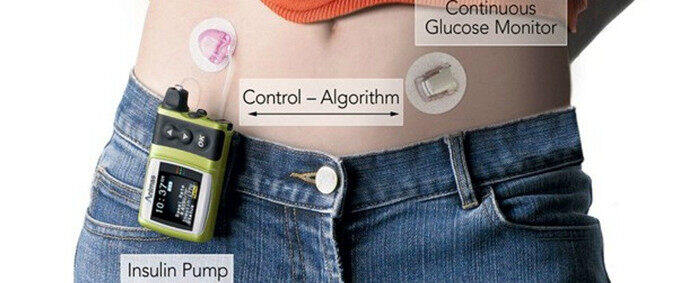
As CGM technology matures, standalone diabetes monitoring will no longer suffice to meet user needs. Companies are now intelligently integrating continuous glucose monitors with insulin pumps to create closed-loop artificial pancreas systems. For instance, Johnson & Johnson, Insulet, Tandem, Ascensia, and Pancreum have all incorporated Medtronic’s and Dexcom’s CGM systems into their insulin pumps, forming comprehensive diabetes management solutions.
In the simplest continuous glucose monitoring (CGM) systems, CGM data are displayed on handheld devices or other medical product devices. Currently, CGM systems are being tightly integrated with insulin pumps, allowing the pumps to directly receive CGM data and interpret it into corresponding commands. For example, when a patient’s blood glucose level falls below a certain threshold, insulin delivery is halted. Theoretically, once this technology matures, it would mean that patients’ blood glucose levels could be maintained within the normal range at all times, representing the optimal approach to curing diabetes.
However, a fully automated artificial pancreas still requires glucagon infusion to counteract the effects of insulin, and not all patients are suitable candidates for this device; therefore, its ultimate efficacy remains to be seen. Nevertheless, it is undeniable that the use of continuous glucose monitoring (CGM) will be integrated into the entire diabetes management process, including diabetes education, data analysis, and personalized treatment plans.
10 Typical CGM Companies
Medtronic, Inc., a global leader in medical technology, was founded in 1949 and is headquartered in Minneapolis, Minnesota, USA. With nearly 90,000 employees and annual revenue of $29.7 billion, the company is primarily dedicated to providing lifelong therapeutic, diagnostic, and monitoring solutions for patients with chronic conditions such as cardiovascular diseases, neurological disorders, diabetes, and spinal conditions.
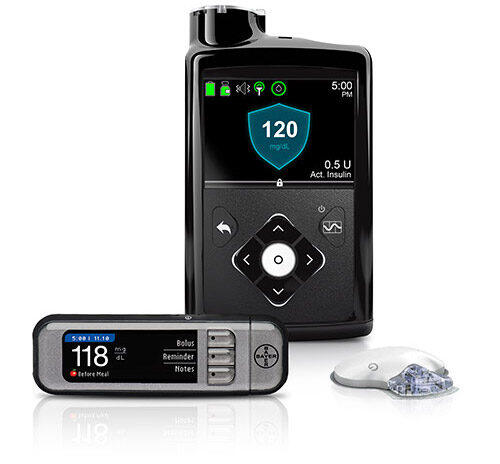
To address diabetes, Medtronic has launched the iPro2 professional CGM system, the MiniMed 670/630 series insulin pump systems, and the CareLink data management system. Among these, the MiniMed 670 closed-loop insulin pump can not only automatically monitor patients' real-time blood glucose levels and generate blood glucose trend curves, but also intelligently adjust insulin delivery (automatically administering or suspending insulin) based on changes in blood glucose values, ultimately achieving fully autonomous blood glucose control. In July 2016, this product received marketing approval from the U.S. FDA.
2. Dexcom
Dexcom, founded in 1999 and headquartered in San Diego, California, USA, employs over 1,200 full-time staff. It is a medical device company focused on the design, development, and commercialization of blood glucose monitoring systems. The company is committed to improving diabetes care through continuous glucose monitoring (CGM) technology, helping patients and healthcare professionals better manage diabetes. Dexcom is widely recognized as a leader in continuous glucose monitoring technology.
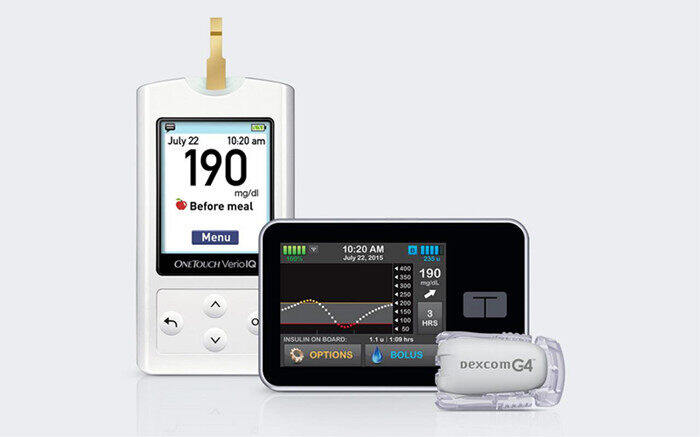
The company’s main products include the DexCom G5/G4 Continuous Glucose Monitoring (CGM) systems, the t:slim G4 insulin pump, and the Omnipod Insulin Management System, among others. The Dexcom G5 Mobile CGM system is the first and only CGM platform in the United States compatible with Android devices. The t:slim G4 insulin pump, developed in collaboration with Tandem Diabetes Care, combined with the DexCom G4 PLATINUM CGM system, has received FDA approval for use in patients aged 12 years and older undergoing insulin therapy. Blood glucose trends and insulin delivery information are clearly displayed on the system.
3. Abbott
Abbott is a global, diversified healthcare company headquartered in Chicago, USA. Founded in 1888, the company has over 100 years of development history, with approximately 90,000 employees worldwide and business operations spanning more than 150 countries and regions.
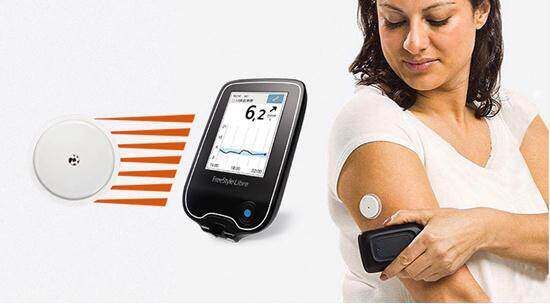
Abbott has long been committed to advancing human health, achieving notable success across multiple sectors including nutrition, diagnostics, pharmaceuticals, and medical devices. In the field of diabetes care, Abbott launched the FreeStyle Libre continuous glucose monitoring system, which eliminates the need for fingersticks and test strips; users can easily measure their blood glucose levels by scanning a sensor worn on the arm.
4. San MediTech
San MediTech is a Sino-US joint venture specializing in the research, development, and promotion of continuous glucose monitoring (CGM) products, holding multiple world-leading patented technologies in this field. The company has consistently designed CGM solutions tailored for both hospital and individual users, catering to diverse populations and empowering patients with diabetes to manage their blood glucose levels using globally leading technology.
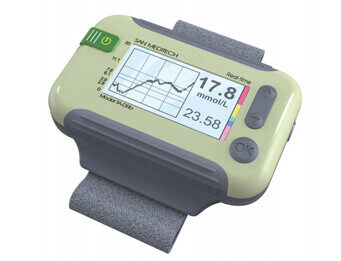
The company’s flagship product, the Leilan Dynamic Glucose Monitor, consists of a disposable glucose sensor, a data recorder, and a computer workstation. During use, an electrode equivalent in size to a 33-gauge needle is inserted subcutaneously into the patient. The device records an average glucose level every three minutes, capturing 480 glucose readings over a 24-hour period.
5、Echo Therapeutics
Echo Therapeutics is a medical device company based in Philadelphia, USA, with deep expertise in advanced skin permeation technologies. Echo’s non-invasive continuous glucose monitor, Symphony, utilizes skin dialysis to collect glucose concentrations from subcutaneous interstitial fluid.
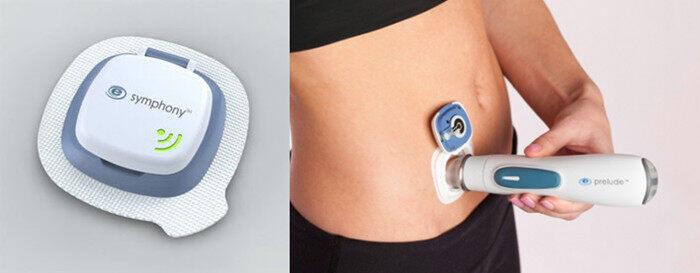
The fundamental principle involves using an electric grinding head to abrade the skin surface, removing the stratum corneum to a depth approaching the dermis and creating a circular area approximately the size of a dime. An electrochemical sensor device is then employed to continuously extract interstitial fluid from the subcutaneous tissue for glucose concentration measurement. The acquired data are wirelessly transmitted to a computer or mobile device, enabling continuous monitoring for 24 hours.
6、Senseonics
Senseonics is a medical device startup based in Germantown, Maryland, USA, dedicated to developing blood glucose monitoring products that empower people with diabetes to live confidently and with peace of mind.
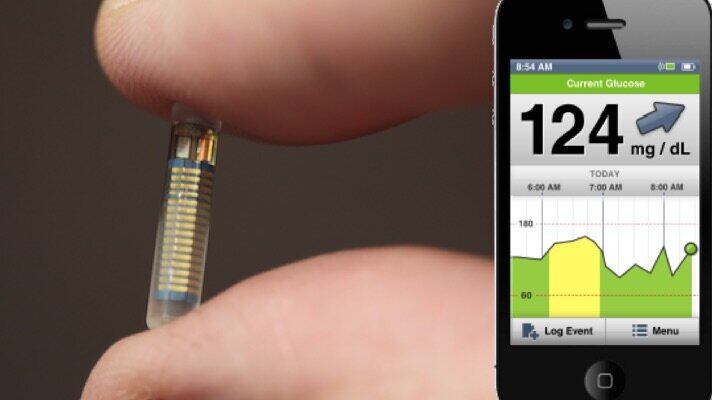
Leveraging breakthrough fluorescent sensing technology, the company has launched the Eversense continuous glucose monitoring (CGM) system, recognized as the first fully implantable CGM. By implanting a sensor subcutaneously, the system enables real-time wireless transmission of blood glucose signals and remains effective for up to 90 days. The system has obtained CE certification in Europe, while FDA approval in the United States is still pending.
7、Nemaura Medical
Nemaura Medical is a UK-based healthcare company dedicated to non-invasive medical diagnostic technologies. Through its proprietary technology, the company helps patients and healthcare professionals closely monitor chronic diseases such as diabetes.
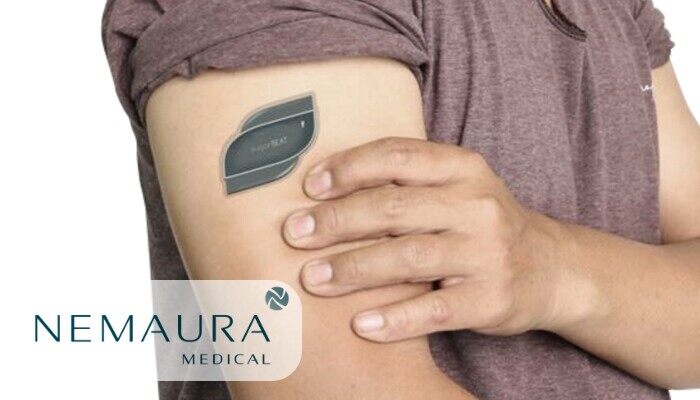
Nemaura Medical has developed a blood glucose monitoring system called sugarBEAT. It is a single-use sensor patch, approximately 1 mm thick, that is applied to the forearm or calf. The device measures blood glucose levels from the patient’s interstitial fluid every five minutes and provides continuous monitoring for up to 12 hours. Test data can be transmitted via Bluetooth to an app on the user’s smart device, facilitating better management by patients and physicians to help prevent diabetic complications.
8、GlySure
GlySure is the UK leader in continuous glucose monitoring (CGM). With over 150 years of comprehensive experience in designing sensors and systems for hospital environments, the company has a profound understanding of the need to optimize glycemic control in critically ill patients.
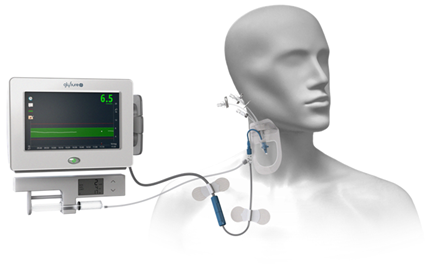
GlySure has developed a Continuous Intravascular Glucose Monitoring System (CIGMS), comprising a disposable central venous catheter and a fiber-optic sensor. The monitor displays real-time blood glucose readings and continuous glucose trends over several hours. This system meets the global demand for implementing Tight Glycemic Control (TGC) in hospital Intensive Care Units (ICUs), providing continuous blood glucose monitoring throughout patients' ICU stays.
9、GluSense
Glusense is a company under the renowned Israeli medical device innovation group Rainbow Medical, established in 2007.
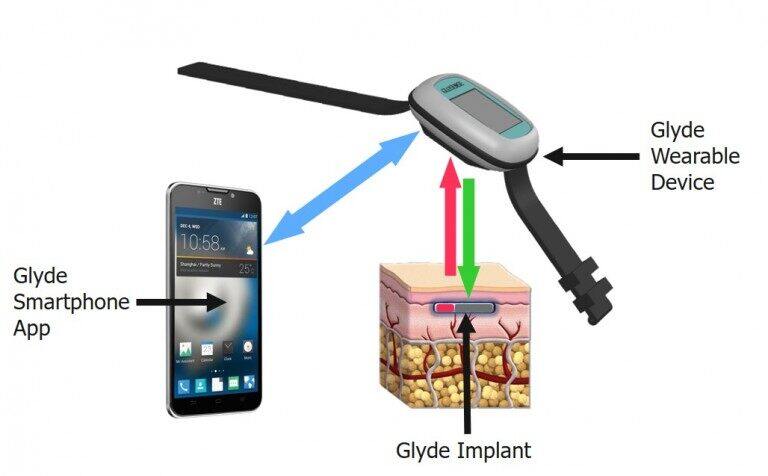
The company has developed a minimally invasive, long-term implantable glucose sensor called Glyde, offering users a nearly pain-free experience. Implanted beneath the skin, the sensor continuously monitors patients' blood glucose levels for up to one year and transmits data in real time to external devices or smartphones. In May 2017, Glusense partnered with Zhangshang Tangyi, a Chinese expert in chronic disease management, to launch a collaborative project on continuous glucose monitoring therapy. Upon product launch, it will provide accurate and continuous glucose monitoring for 3 to 12 months.
10、OptiScan Biomedical
OptiScan Biomedical is a medical device company based in California, USA. Founded in 1994, it primarily focuses on developing glucose monitoring systems for intensive care units (ICU) and coronary care units (CCU).
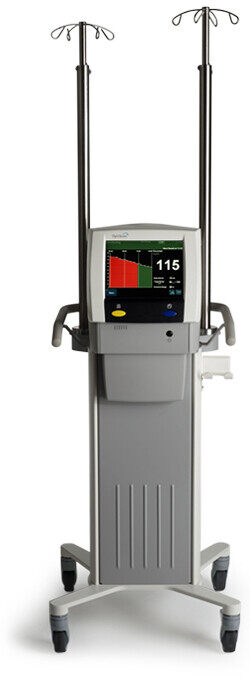
The company’s flagship product, the OptiScanner 5000, is the first automated point-of-care blood glucose monitoring system that directly measures blood glucose levels using spectroscopic technology without requiring calibration. The OptiScanner 5000 provides updated glucose readings every 15 minutes and indicates glucose trends to show whether a patient’s blood glucose is stable, thereby assisting healthcare professionals in managing blood glucose levels in critically ill patients.
References:
https://www.giiresearch.com/report/ink492797-global-glucose-monitoring-system-market-forecast.html
https://www.ncbi.nlm.nih.gov/pmc/articles/PMC4455401/
https://www.coherentmarketinsights.com/market-insight/continuous-glucose-monitoring-market-57
http://www.grandviewresearch.com/press-release/global-continuous-glucose-monitoring-cgm-devices-market
https://angel.co/search
https://www.crunchbase.com
Scan the QR code below to become an official member of VCBeat, gaining access to comprehensive company profiles, industry insights, and investment and financing news. Moreover, in the coming year, you will enjoy unrestricted access to the completeIndustry Trend Report, timely grasp the latest globalInvestment and Financing Information, boasting a comprehensive range ofMedical Enterprise Database, andMassive Resource Matching。

Scan the QR Code to Become a VCBeat Member
Beta Version Trial Price: 365 CNY/Year