

AI in Drug Discovery: A Comprehensive Analysis of 78 AI Innovators and 26 Global Pharma Giants – Eggshell Research Institute Report
ForceClouds
SaaS Service Provider in the Pharmaceutical Industry
HongShan
Business Consulting, Enterprise Management Consulting Investment Institutions
XtalPi
Computation-Driven Innovative Drug R&D Provider
Deep Intelligent Pharma
AI-Driven Drug Discovery Platform
Preface
After the “warm-up” phase, “AI + New Drug R&D” has now entered a rapid growth stage, drawing significant attention.
VCBeat and Eggshell Research Institute have conducted a comprehensive review of domestic and international AI-driven innovative enterprises in new drug R&D over the past two and a half years, releasing the "Report on the Current Status and Trends of the AI + New Drug R&D Market." The report analyzes a total of 78 AI-enabled new drug R&D innovators, covering seven key stages: target discovery, compound synthesis, compound screening, crystal form prediction, patient recruitment, optimization of clinical trial design, and drug repurposing. Furthermore, some of these enterprises have partnered with traditional pharmaceutical giants such as Roche, Pfizer, Sanofi, and Merck & Co. to jointly advance the application of artificial intelligence in new drug development. In terms of financing, 53 companies have secured funding, with the cumulative total reaching $1.31 billion. This indicates that the AI + new drug R&D sector has entered a phase of rapid growth.
This report presents the following key findings:
1. The application of artificial intelligence saves pharmaceutical companies $54 billion annually in R&D costs
2. The largest number of AI companies are involved in target discovery, accounting for 50% of the total number of companies.
3. Traditional pharmaceutical giants and AI innovators jointly advance the application of artificial intelligence in new drug development
4. A total of 53 global AI-driven new drug R&D companies have secured $1.31 billion in financing
5. Optimization and upgrading of data systems, talent pools, and business models will become the future development direction for AI-driven new drug R&D enterprises
"Report on the Current Status and Trends of the AI+ New Drug R&D Market," with the following content:
I. Industry Insights: Strong Demand, R&D Faces Three Major Challenges
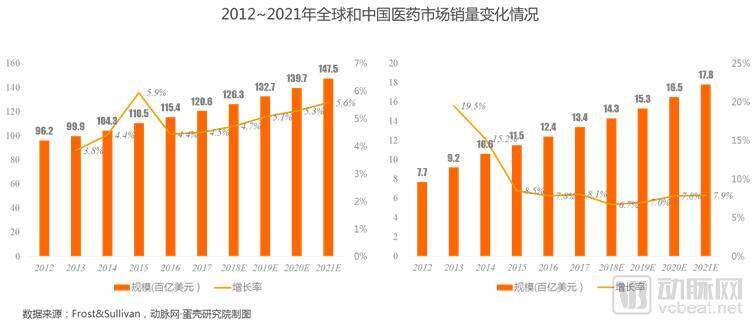
In terms of global pharmaceutical market sales, the figure exceeded $1.2 trillion in 2017 and is projected to reach $1.475 trillion by 2021, representing a compound annual growth rate (CAGR) of 4.9% from 2012 to 2021. During the same period, sales in China’s pharmaceutical market are expected to grow from $77 billion in 2012 to $178 billion in 2021, achieving a CAGR of 9.8%, which is twice that of the global market. This indicates that while the global pharmaceutical market is growing steadily, China’s pharmaceutical market is expanding at a faster pace, demonstrating greater development potential.
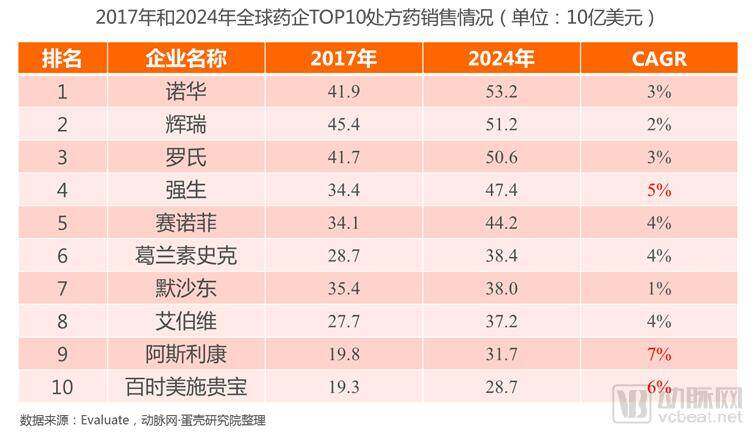
In 2017, the total prescription drug sales of the top 10 global pharmaceutical companies amounted to $328.4 billion, with an average of $33 billion per company; three of these companies reported sales exceeding $40 billion. According to estimates by Evaluate, a leading global industry and market research firm in the healthcare sector, the total prescription drug sales of the top 10 global pharmaceutical companies are projected to reach $420.6 billion by 2024, representing a 28% increase. Novartis, ranked first, is expected to achieve sales of $53.2 billion. In terms of compound annual growth rate (CAGR) from 2017 to 2024, the average CAGR across these companies was 4%, with AstraZeneca demonstrating the fastest growth. This indicates that the global pharmaceutical market will continue to experience robust growth, necessitating sustained increases in new drug development by companies to meet market demand.
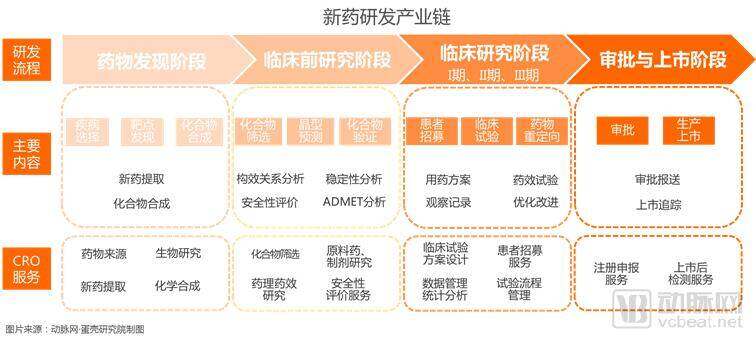
New drug development primarily comprises four stages: drug discovery, preclinical research, clinical research, and regulatory approval and market launch. The drug discovery stage mainly involves disease selection, target identification, and compound synthesis. The preclinical research stage focuses on compound screening, crystal form prediction, and compound validation, including analysis of structure-activity relationships (SAR), stability analysis, safety assessment, and ADMET (Absorption, Distribution, Metabolism, Excretion, and Toxicity) analysis. The clinical research stage centers on patient recruitment, clinical trials, and drug repurposing, encompassing dosing regimens, efficacy testing, patient observation records, and optimization improvements. The regulatory approval and market launch stage involves the review and approval of new drugs developed by pharmaceutical companies by government drug regulatory authorities, serving as the final gateway for new drugs to enter the market.
As evident from the new drug development process, a drug undergoes a complex journey—from target discovery to compound synthesis, formulation manufacturing, clinical trials, and final market approval—requiring substantial investments of human resources, materials, and capital. Consequently, new drug development faces three major challenges: prolonged development cycles, low success rates, and high R&D costs.

According to statistics from the Pharmaceutical Research and Manufacturers of America (PhRMA), 5,000–10,000 compounds are screened during the drug development phase, with only 250 advancing to preclinical research and merely five entering clinical trials. The drug discovery and preclinical research stages take approximately 3–6 years, Phase I/II/III clinical trials require 6–7 years, and it takes an additional 0.5–2 years after submitting a marketing application to obtain approval before large-scale production can commence. According to an analytical report by Deloitte, the average time required for new drug development at present is approximately 14 years.
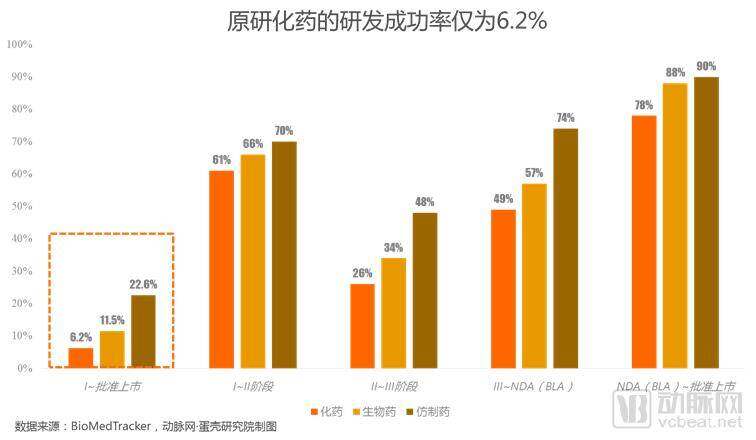
It is evident that risks permeate the entire process of new drug development, particularly during Phase II–III clinical trials, where the success rate reaches its nadir. Even for generic drugs, the development success rate remains below 50%. An analysis of success rates across three major categories of new drugs reveals that original small-molecule drugs have the lowest success rate at merely 6.2%, while original biologics achieve a success rate of only 11.5%. Therefore, new drug development can be characterized as a process with a high failure rate; the market launch of any new drug is the result of countless failed attempts.
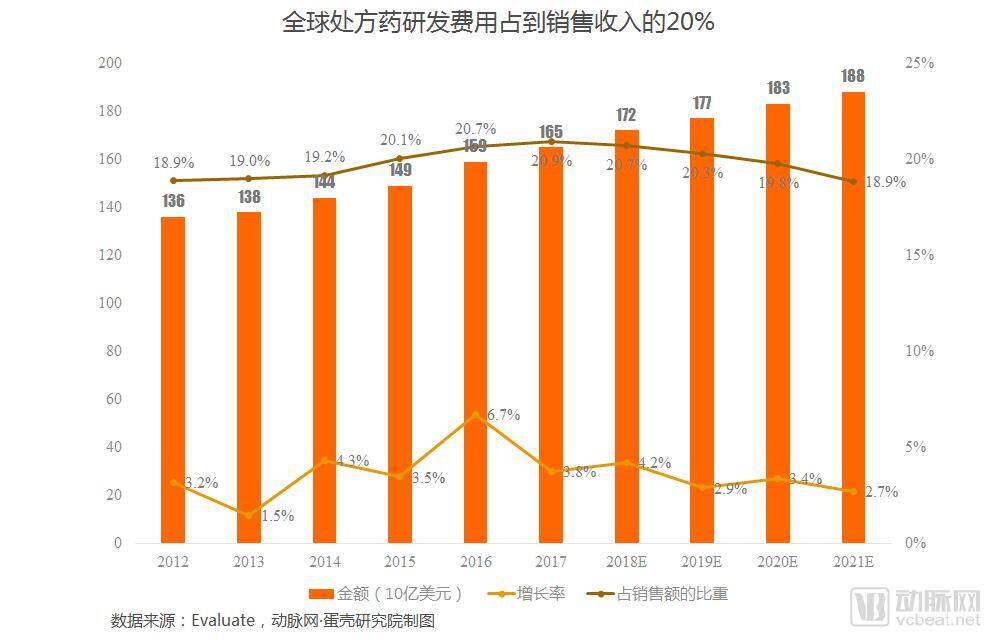
The “Double-Ten Fate” of new drug development (a development cycle exceeding 10 years and R&D costs surpassing $1 billion) has long remained an insurmountable pain point for major pharmaceutical companies. In terms of annual R&D expenditures, the total global spending on prescription drug R&D has consistently exceeded $130 billion. From 2012 to 2017, the average annual R&D expenditure was $148.5 billion, with a growth rate of 3.8%. From 2018 to 2021, the average annual R&D expenditure rose to $180 billion, reaching $188 billion in 2021—a 38% increase compared to 2012. Regarding the proportion of R&D expenses to sales revenue, the average ratio from 2012 to 2021 reached 20%. Although this ratio has shown a year-on-year decline since 2017, it still stands at 19%. This indicates that the high investment in new drug R&D erodes the profit margins available to pharmaceutical companies.
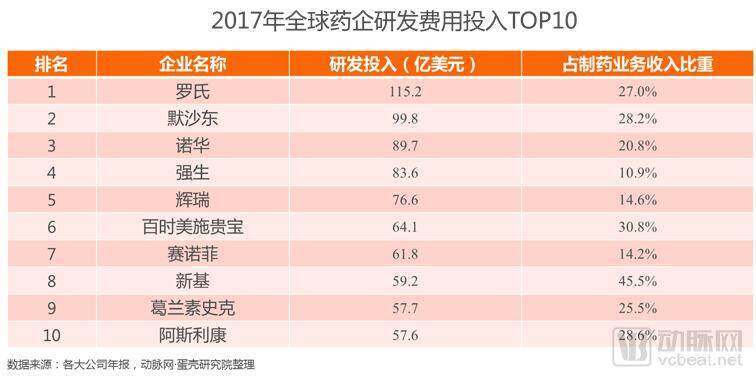
VCBeat·VBInsight compiled the list of the top 10 global pharmaceutical companies by R&D expenditure in 2017. The total R&D spending of these ten companies reached $76.53 billion, with an average investment of $7.65 billion per company. Roche topped the list as the only pharmaceutical company with R&D expenditures exceeding $10 billion. In terms of the proportion of R&D investment to pharmaceutical business revenue, the average ratio was as high as 24.6%, with six companies exceeding 25%. This indicates that R&D expenses are substantial for major pharmaceutical companies, constituting a significant cost component.
Faced with the challenges of long R&D cycles, low success rates, and high costs, major traditional pharmaceutical companies are striving to leverage technological innovation to accelerate new drug development, improve success rates, and reduce costs, thereby better meeting the growing demand for medications. This has created opportunities for the application of AI technology in the field of new drug research and development.
II. Technological Breakthrough: AI Empowerment to Resolve Challenges in New Drug Development
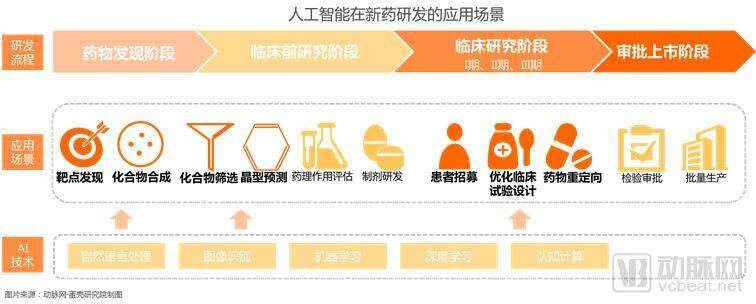
AI primarily leverages its powerful capabilities in relationship discovery and computation to facilitate new drug development. In terms of relationship discovery, this includes identifying links between drugs and diseases, as well as between diseases and genes. Equipped with natural language processing, image recognition, machine learning, and deep learning capabilities, AI can not only identify explicit relationships more rapidly but also uncover implicit relationships that are difficult for pharmaceutical experts to detect, thereby constructing deep-level connections among drugs, diseases, and genes. Regarding computational power, AI’s robust cognitive computing abilities enable virtual screening of candidate compounds, allowing for the faster identification of highly active compounds and preparing for subsequent clinical trials. According to research conducted by VCBeat on nearly 80 AI companies domestically and internationally, AI is mainly applied in seven key scenarios within new drug development: target discovery, compound synthesis, compound screening, crystal form prediction, patient recruitment, optimization of clinical trial design, and drug repurposing.
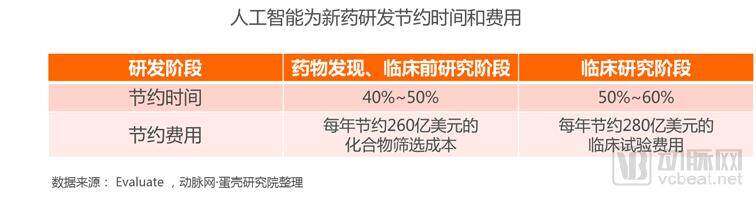
AI can reduce the time required for compound synthesis and screening by 40%–50% compared to traditional methods, saving pharmaceutical companies $26 billion annually in compound screening costs. In the clinical research phase, it can cut the timeline by 50%–60%, resulting in annual savings of $28 billion in clinical trial expenses. In other words, AI can help pharmaceutical companies save $54 billion per year in R&D costs.
Traditional target research relies on intuitive, qualitative speculation to elucidate the structure-activity relationships of physiologically active substances, thereby identifying receptor binding sites (targets) on cellular surfaces where drugs can exert their effects. Pharmacologists typically spend two to three years hypothesizing potential targets by reviewing relevant scientific literature and drawing on personal experience, yet the probability of successfully identifying a valid target remains extremely low. In contrast, AI leverages Natural Language Processing (NLP) to analyze vast amounts of medical literature and related data, employing deep learning to uncover drug-disease interactions and identify effective targets, thus significantly shortening the target discovery cycle.
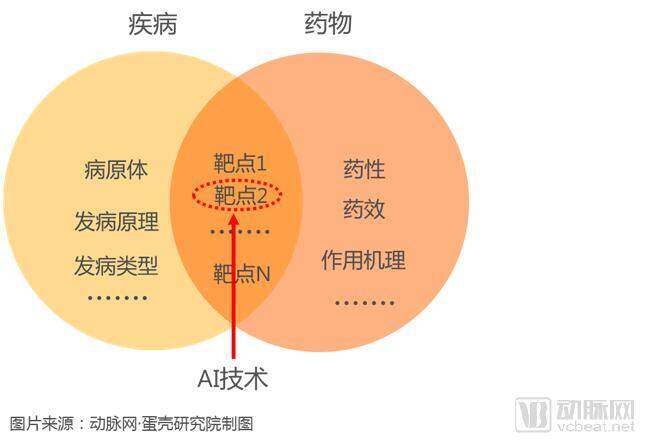
Compound synthesis primarily involves analyzing the pharmaceutical properties of small-molecule compounds—including target-binding affinity, pharmacokinetics, and drug metabolism—to identify candidates with superior bioactivity and efficacy, followed by synthetic design along specific pathways. In this process, pharmacologists and chemists conduct computer-simulated experiments on tens of millions of compounds sequentially, a endeavor that typically takes several years to identify highly active compounds for synthesis, with costs often exceeding billions of dollars. By leveraging machine learning and deep learning capabilities to simulate the pharmaceutical properties of small-molecule compounds, AI can select optimal candidate compounds for synthetic testing within weeks, while reducing the testing cost per compound to $0.0001, thereby significantly lowering the overall cost of compound synthesis.
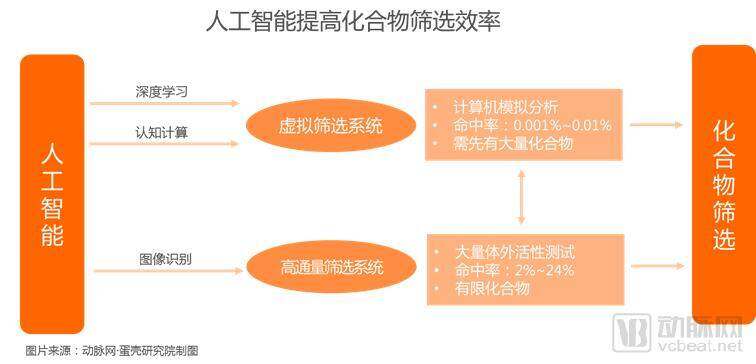
The target proteins and receptors for each drug are not entirely specific; interactions with non-target proteins and receptors can lead to side effects. For new drugs that have not yet entered animal or human clinical trials, it is essential to evaluate their safety and potential side effects in advance to identify candidates with higher safety profiles. Currently, high-throughput screening (HTS) is the primary method used for compound screening, where robots conduct millions of tests simultaneously, at an annual cost reaching tens of billions of dollars. AI can approach compound screening from two angles: first, by leveraging deep learning and computational power to develop virtual screening techniques that replace HTS; second, by using image recognition technology to optimize the HTS process. This approach could save $26 billion annually in compound screening costs.
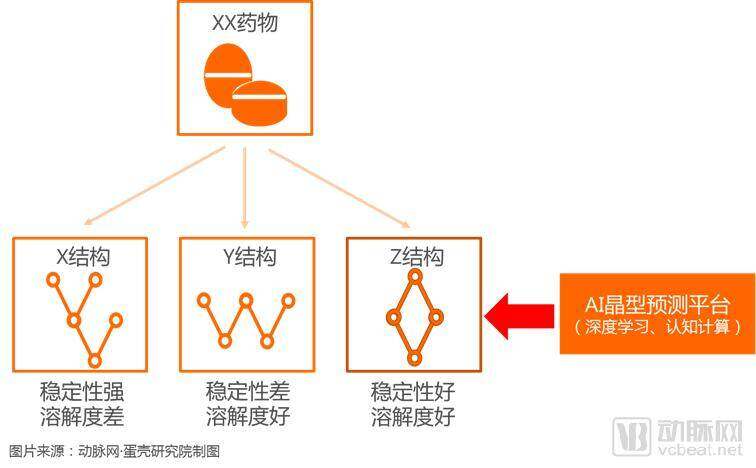
Different polymorphic forms of small-molecule drugs exhibit varying stability and solubility; therefore, stable crystal structures are critical to drug quality. For marketed pharmaceuticals in particular, any occurrence of polymorphic transformation can result in catastrophic losses for pharmaceutical companies. Small molecules often display polymorphism, with some crystal forms offering high stability but poor solubility, while others provide good solubility but compromised stability. Relying solely on manual methods to identify crystal forms that combine both high stability and favorable solubility is not only time-consuming due to extensive trial-and-error experimentation, but also has an extremely low success rate. The emergence of artificial intelligence (AI) has significantly improved the accuracy of crystal form prediction. Leveraging deep learning and cognitive computing capabilities to process vast amounts of clinical trial data, AI can identify the most efficacious crystal form within hours or even minutes.
Before a new drug can enter the approval process, it must undergo three phases of clinical trials, and identifying suitable patients is the prerequisite and foundation for conducting these trials. Trial managers need to identify patients who meet the criteria for the drug trial from a vast number of medical records and notify the participants. This process requires significant time to screen medical histories. However, AI, leveraging deep learning capabilities, can extract relevant information from massive amounts of clinical trial data, automatically match trial results with patient conditions, improve the efficiency of precise matching, and complete the recruitment and enrollment process in a shorter period of time.
The clinical research phase of drug development encompasses protocol design, trial process management, and statistical analysis of trial data. Relying solely on manual efforts not only entails a heavy workload but also increases the risk of errors. Leveraging its machine learning and cognitive computing capabilities, AI can be extensively applied across various stages—including study design, trial process management, and statistical data analysis—thereby enhancing the overall efficiency of clinical trials.
Drug repurposing is a common approach in current drug discovery, achieved by cross-referencing and matching existing marketed drugs with over 10,000 human targets. Leveraging AI’s powerful natural language processing and deep learning capabilities, valuable knowledge and novel, testable hypotheses that can accelerate drug development are extracted from vast amounts of unstructured data, leading to an exponential increase in experimental speed. The application of AI in drug repurposing can bypass steps such as target identification and pharmacological assessment, potentially reducing drug development costs to $300 million or even lower, and shortening the development cycle to 6.5 years.

Based on the aforementioned seven major application scenarios of AI in new drug development, VCBeat has identified a total of 78 AI enterprises involved in this field through field research and desk research (the landscape map lists representative companies for each application scenario). These include IBM Watson Health, Nimbus Therapeutics, and IceStone Technology in the target discovery phase, as well as Deep Intelligent Pharma, Virvio, and Nuritas in the compound synthesis phase. Notably, there are 39 AI enterprises focused on target discovery, accounting for 50% of the total number of companies.
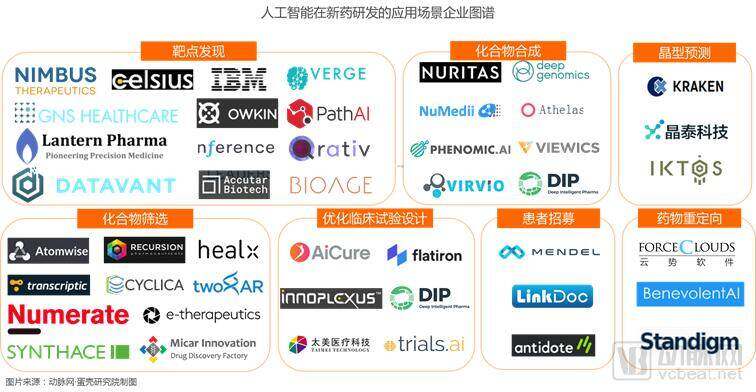
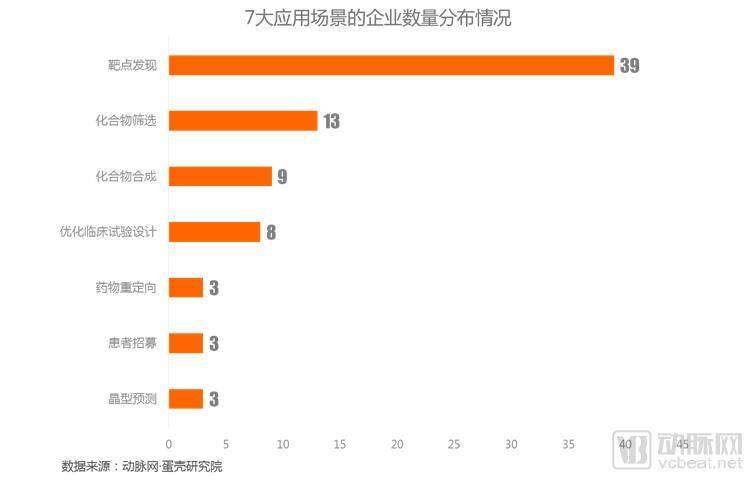
To facilitate a better understanding of AI applications in various stages of new drug development, we have selected representative companies from seven major application scenarios for case analysis, primarily covering company profiles, key products, and financing status.
IBM Watson Health has developed a drug discovery software—Watson for Drug Discovery—a new cloud-based platform designed to help life scientists identify novel drug targets and alternative drug indications. Leveraging its capabilities in natural language processing (NLP), machine learning, and deep learning, the system has analyzed 25 million Medline abstracts, over one million full-text articles from medical journals, and 4 million patent documents, with all data regularly updated. In contrast, researchers can read only about 300 medical papers per year on average. This enables scientists to better uncover new associations, reveal deeply hidden connections, and accelerate target discovery.
In December 2016, IBM Watson Health entered into a collaborative agreement with Pfizer, under which Pfizer would leverage Watson to analyze large volumes of heterogeneous data, jointly advancing the research and development of oncology drugs.
In 2016, AccutarBio’s independently developed AI platform for drug data had completed learning and computational analysis based on hundreds of thousands of crystallographic datasets, identifying targets capable of binding with compounds and laying the foundation for the screening and synthesis of lead compounds. This platform reduced the time required for target discovery from years to months, days, or even hours, bringing breakthrough progress to drug discovery.
AccutarBio has currently established AI computing laboratories and biochemistry laboratories in Shanghai and New York. The company has completed two rounds of financing totaling $15 million, with investors including ZhenFund, IDG Capital, and Yitu Technology.
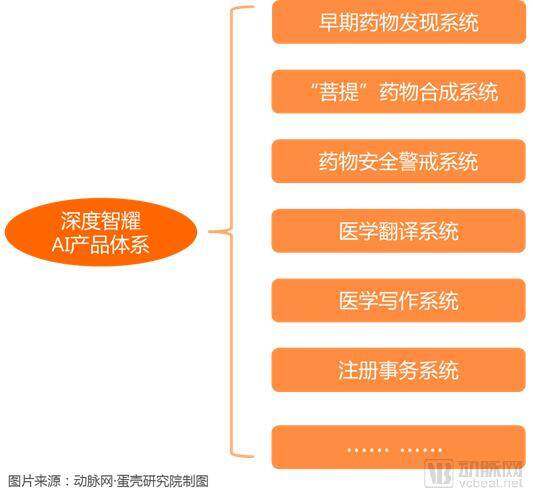
Deep Intelligent Pharma is committed to empowering the entire new drug R&D process with AI, covering the spectrum from early-stage drug discovery to product commercialization.
In the early stages of new drug development, offerings include AI-driven solutions for drug synthesis, drug design, and drug activity prediction. Notably, in July 2018, Deep Intelligent Pharma publicly announced its internally codenamed AI drug synthesis system, “Bodhi.” By extensively learning from public patent and literature databases, the system assists chemists in compound synthesis. Chemists need only input a chemical structural formula, and the “Bodhi” system instantly provides multiple optimized synthetic routes for selection. These include high-quality synthetic routes that are unattainable through manual analysis. The system can improve the efficiency of the compound synthesis process by more than 50%.
During the clinical research phase, products include AI-driven pharmacovigilance systems, regulatory affairs systems, writing and translation systems, and clinical data programming systems. Among these, the AI pharmacovigilance system (Deep-PV) and the AI automated translation, writing, and submission system have achieved large-scale commercialization. Deep-PV leverages natural language processing technology to enable rapid, unmanned collection, translation, coding, assessment, and evaluation of individual case safety reports (ICSRs) for adverse drug reactions/adverse events, supporting pharmaceutical companies in clinical research and post-marketing drug safety monitoring. Additionally, the company’s AI automated translation, writing, and submission system has established a human-machine interactive, self-evolving platform that integrates medical writing, medical translation, and regulatory submission into a “triune” solution. This innovation addresses the previous fragmentation among these three key processes and reconstructs the traditional model of data document integration.
The company currently serves over 50 partner clients, ranging from the top ten multinational pharmaceutical companies to leading domestic pharmaceutical firms as well as small and medium-sized enterprises. Collaboration models include SaaS services, on-premises deployment, and strategic consulting.
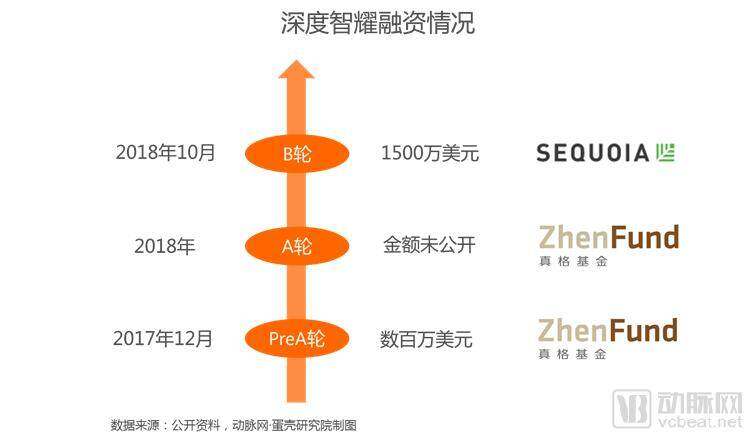
In terms of financing, the company has secured three rounds of funding to date, having recently completed a $15 million Series B round exclusively invested by HongShan.
Founded in 2014, Virvio is dedicated to leveraging deep learning algorithms to simulate protein synthesis, thereby meeting the requirements for molecular targets and indications while ensuring the ultra-stability and manufacturability of the synthesized protein structures.
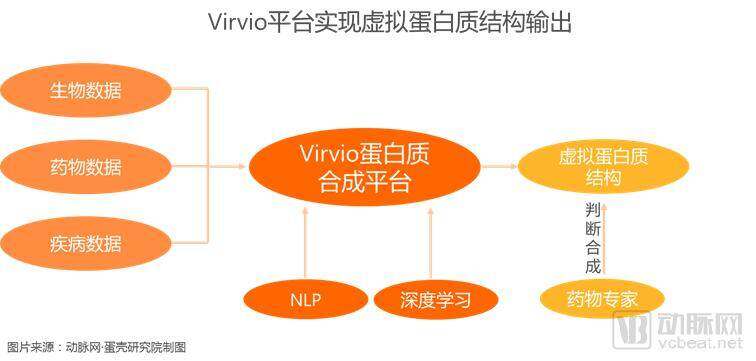
In response to the 56,000 annual influenza-related deaths in the United States and the challenges of high drug resistance and low efficacy associated with current influenza vaccines on the market, Virvio’s protein synthesis platform has modeled a protein structure named HB36.6. This protein enhances immune responses against influenza strains such as H1N1 and H5N1, reduces the risk of infection, and is poised for imminent application in pharmaceutical development.
Insilico Medicine employs its proprietary novel algorithms, including generative adversarial networks (GANs) and reinforcement learning (RL), to accelerate the compound screening process. By leveraging advanced end-to-end technologies to analyze and compare compound activity and safety profiles, the company identifies optimal preclinical candidate molecules in preparation for clinical studies.
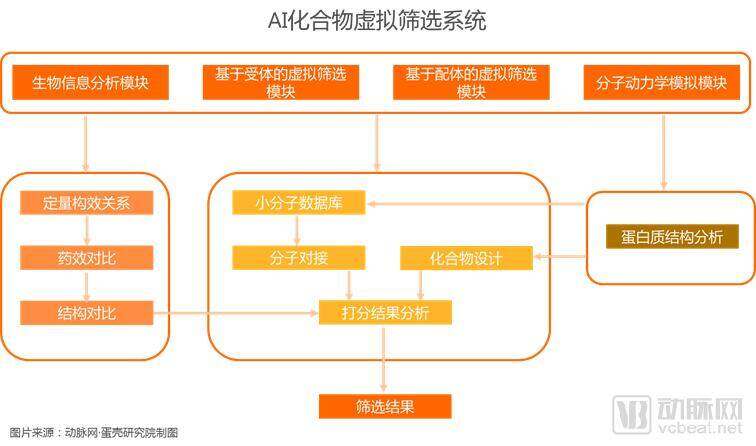
In June 2018, the company entered into a strategic partnership with WuXi AppTec, leveraging its AI-generated novel drug discovery pipeline to conduct testing on WuXi AppTec’s new drug R&D service platform, with the aim of identifying optimal preclinical drug candidate molecules. The company has currently completed its Series C financing round, bringing its cumulative funding to $20 million.
AtomNet, a compound screening system developed by Atomwise, is an AI platform based on convolutional neural networks. It leverages supercomputing power and sophisticated algorithms to simulate pharmaceutical processes and predict the efficacy of new drugs. Capable of completing drug evaluations within days, it provides compound screening services to pharmaceutical companies, startups, and research institutions.
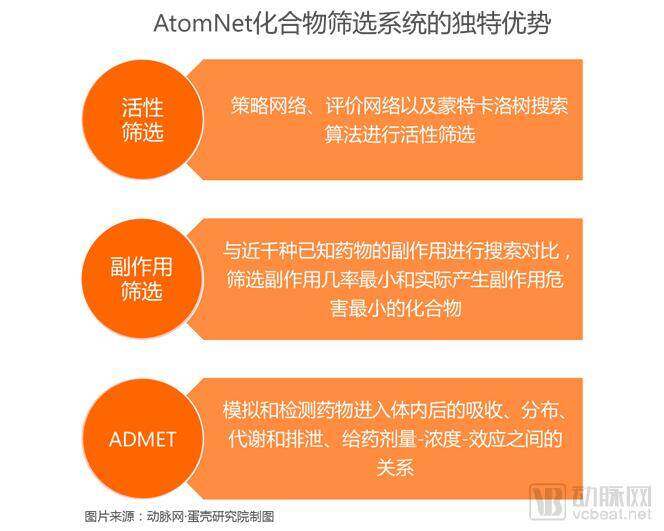
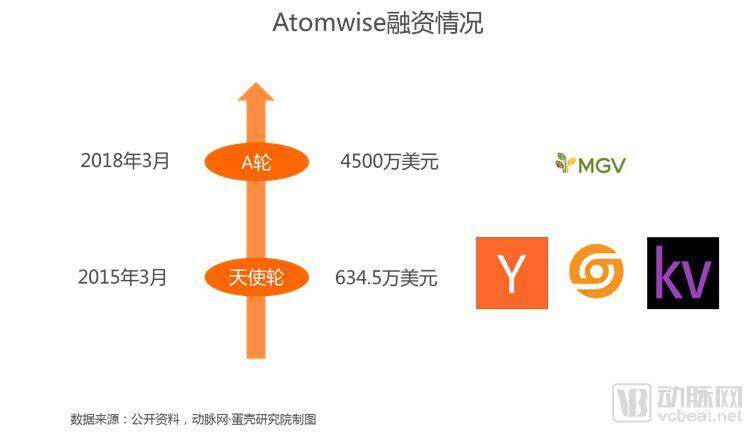
Atomwise was among the early companies to achieve commercial deployment. In May 2012, it entered into a collaboration agreement with Merck & Co. to assist in early-stage compound screening for drug discovery. In 2015, leveraging AI technology, Atomwise analyzed and tested more than 7,000 existing drugs in less than a day, successfully identifying two candidate drugs capable of controlling the Ebola virus, at a cost of under $1,000 (whereas traditional approaches would have required years and billions of dollars).
Currently, Atomwise has completed its Series A funding round, with cumulative financing reaching $51.345 million.
XtalPi’s “Drug Solid-State Screening and Analysis System” leverages AI-driven deep learning and quantum computing capabilities to process, learn from, and compute non-structured data—such as medical literature and clinical trial data—within a short timeframe. It predicts variations among different crystal forms in terms of stability, melting point, solubility, and dissolution rate, as well as potential toxicity and safety issues arising during clinical development, thereby rapidly identifying the crystal structure with optimal stability and solubility.
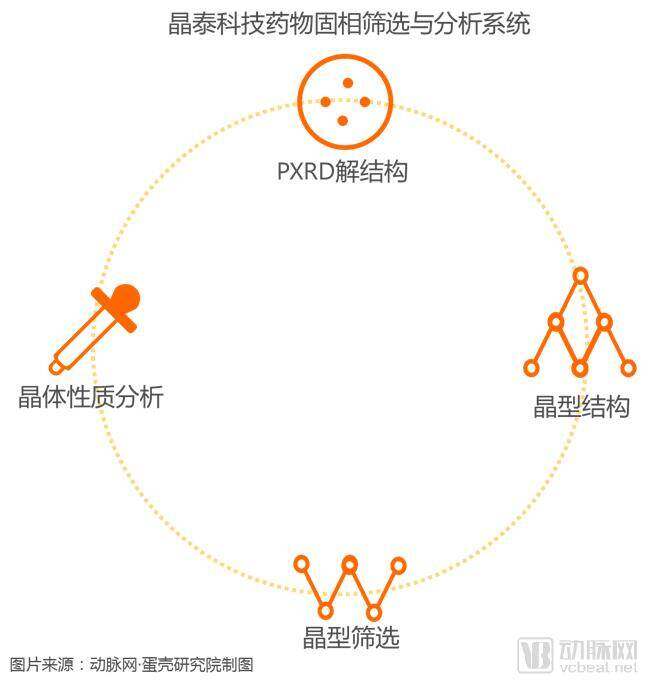
On May 9, 2018, XtalPi entered into a strategic R&D collaboration agreement with Pfizer. Leveraging XtalPi’s AI technology, Pfizer will establish a small-molecule simulation algorithm platform to drive innovation in small-molecule drug discovery. Currently, XtalPi has completed its Series B+ financing round, bringing its cumulative funding total to over $61 million.
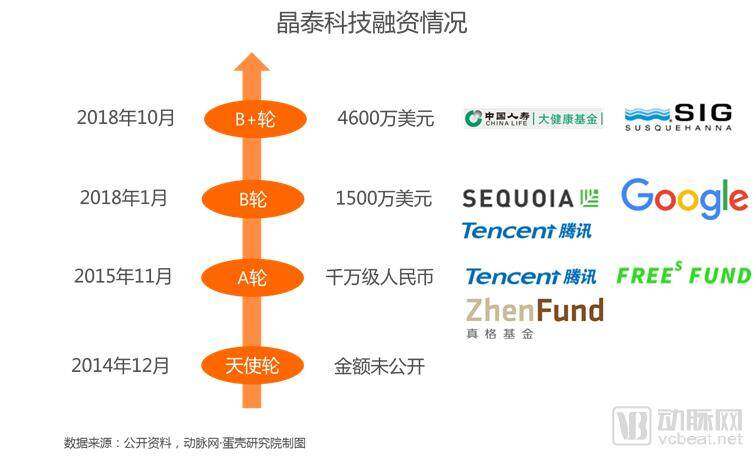
Link Recruitment™, a precision clinical trial recruitment system developed by ZeroCrunch Technology, leverages China’s largest medical big data repository to rapidly extract relevant data from clinical trial documents, assess the most suitable treatment options for patients, and automatically upload patient medical records to match them in real time with registered trials in clinical trial databases. The system dynamically updates these matches and notifies eligible participants to enroll in the appropriate trials promptly.
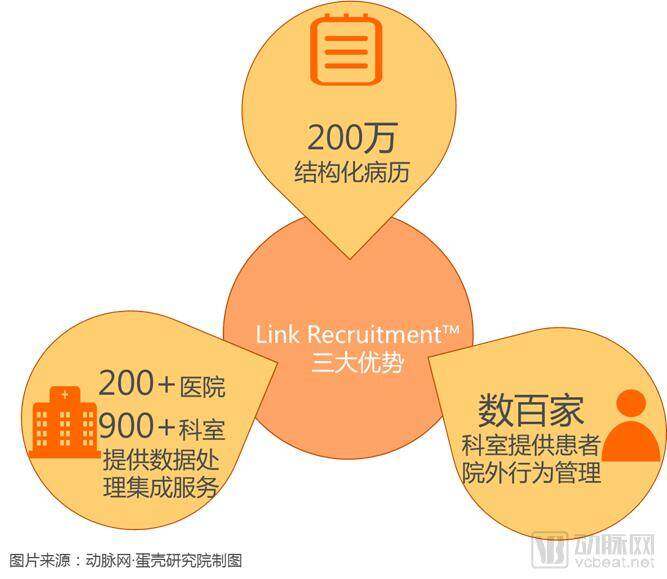
The company has established partnerships with multiple Grade 3A hospitals across China, providing patient recruitment services for clinical trial departments. Moving forward, it plans to engage additional third-party clinical trial institutions to expand its customer base. To date, the company has completed its Series D financing, with cumulative funding exceeding RMB 1 billion. Investors include China Investment Corporation, Broadband Capital, Huiqiao Capital, Qianji Capital, Changling Capital, Temasek, and NEA, among others.
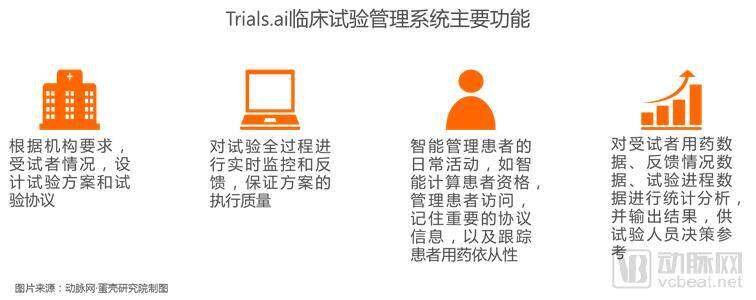
The primary causes of inefficiency in clinical drug trials are unscientific trial protocol design and a lack of dynamic monitoring of subjects. Trials.ai, an AI company based in San Diego, is dedicated to accelerating clinical trial progress and enhancing efficiency by improving trial protocol designs and managing trial processes. The company’s developed clinical trial management system integrates functions such as protocol design, process monitoring, medication adherence, and data analysis, enabling comprehensive end-to-end management of the entire clinical trial process.
Protocol Design: The system designs protocols based on the attributes of each drug, the requirements of pharmaceutical companies, and the conditions of participants, stipulating the rights and obligations of all parties to minimize the risk of breach of contract.
Process Monitoring: The system is capable of dynamically monitoring the entire trial process. In the event of unexpected situations, it will proactively issue alerts to administrators to facilitate timely handling.
Medication Adherence: In clinical trials, participants often fail to adhere to prescribed medication regimens, and trial administrators cannot promptly obtain relevant information. The system enables intelligent management of participants’ daily activities, provides timely medication reminders, and feeds back related data to administrators, thereby ensuring the efficacy of the trial.
Data Analysis: The system enables intelligent analysis of medication data, process data, and subject feedback data, providing recommendations to support managerial decision-making and comprehensively reflect trial outcomes through data-driven insights.
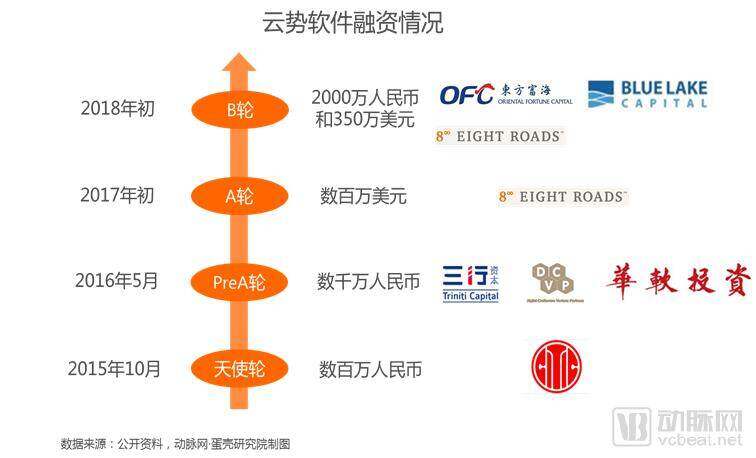
In April 2018, ForceClouds released its new generation of AI-driven drug discovery engine—GeniusMED. This system integrates diverse R&D data related to drugs, diseases, genes, and proteins from extensive data sources, constructing a large-scale, comprehensive knowledge base for pharmaceutical R&D. By incorporating clinical trial data, the system matches drug targets with new indications to identify novel therapeutic uses for existing drugs.
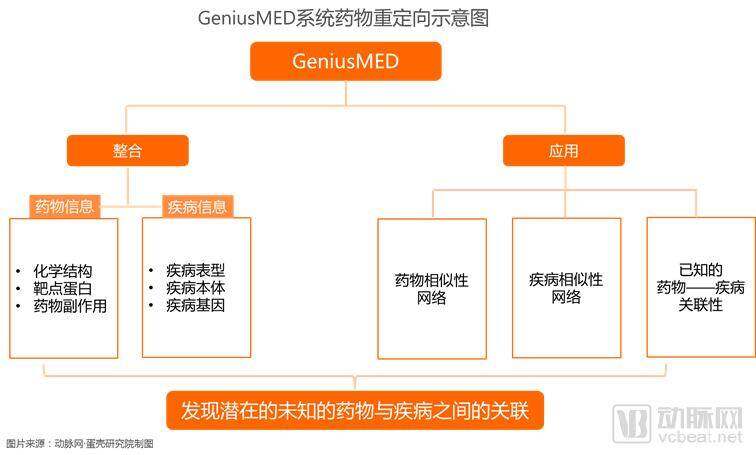
GeniusMED integrates two major systems—drug information and disease information—to construct drug similarity networks, disease similarity networks, and known drug–disease association networks. Leveraging AI’s deep learning and cognitive computing capabilities, the platform matches marketed drugs or those in the development pipeline with diseases to identify new targets and expand therapeutic indications. To date, the company has used the GeniusMED system to validate three candidate drugs for the treatment of Alzheimer’s disease and two candidate drugs for the treatment of lupus erythematosus. In June this year, the company entered into a collaboration with Merck & Co. to screen 80 compounds for potential new indications.
In addition to drug repurposing, the company’s business activities also encompass target discovery, compound synthesis, compound screening, and crystal form prediction. The company has currently completed its Series B financing round.
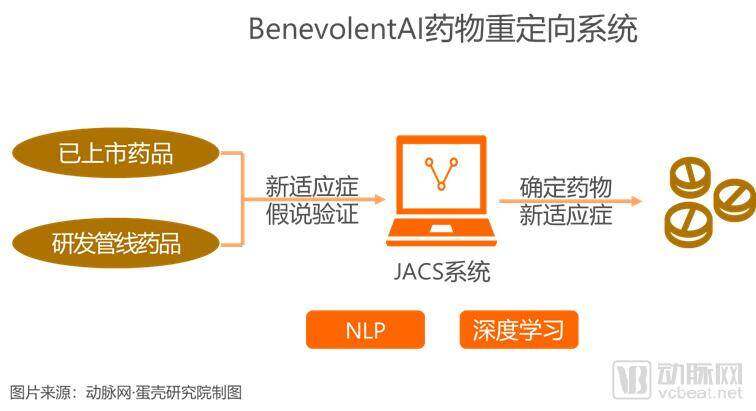
The JACSAI system, launched by BenevolentAI, leverages its natural language processing and deep learning capabilities to rapidly process large volumes of unstructured data—including disease, drug, and clinical trial data—within a short timeframe. By uncovering novel associations among these data points, the system identifies new indications for existing drugs, thereby enabling drug repurposing and assisting scientists in discovering more valuable therapeutic applications.
In June 2014, BenevolentAI announced a collaboration with a U.S. pharmaceutical company, selling two new drug candidates validated for a new indication (Alzheimer’s disease) to the American firm. These two drugs were at the stage of evaluating hit-to-lead compounds, and the deal was worth up to $800 million. In May 2017, BenevolentAI conducted a repurposing analysis on bavisant, a drug that had failed in clinical trials, and found it to have good therapeutic effects on excessive daytime sleepiness in Parkinson’s patients. To date, the company has raised a total of $207 million in funding.
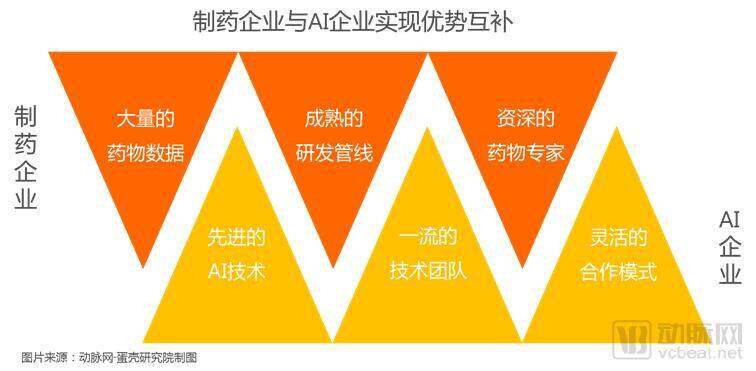
On the one hand, pharmaceutical giants have long grappled with the pain points of prolonged drug development cycles, low success rates, and high R&D costs. The application of AI technology in new drug development can effectively alleviate these challenges, saving them billions of dollars in R&D expenses annually. On the other hand, while AI companies possess technological advantages, they lack relevant drug development data, mature R&D pipelines, and seasoned pharmaceutical experts—advantages that traditional pharmaceutical giants inherently hold. Therefore, the collaboration between these two parties can effectively address their respective weaknesses and create a complementary synergy.
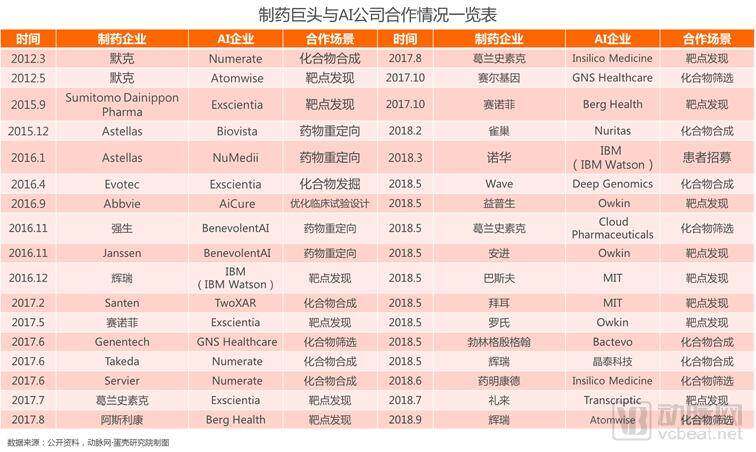
VCBeat Research Institute compiled data from public sources on collaborations between 26 pharmaceutical giants and AI companies (covering the period from January 2012 to August 2018). AI technologies are primarily applied in two key stages: target discovery and compound screening, accounting for 42% and 35% of such collaborations, respectively. For instance, in December 2016, Pfizer partnered with IBM Watson, leveraging AI technology to accelerate drug target discovery for Pfizer. In June 2017, Japanese pharmaceutical giant Takeda Pharmaceutical entered into a collaboration agreement with Numerate, which applied its latest AI technology to the compound screening process, thereby shortening Takeda’s new drug development timeline (see the table below for detailed information on these collaborations).
III. Capital Favor: Investment and Financing in AI-Driven New Drug R&D Enterprises
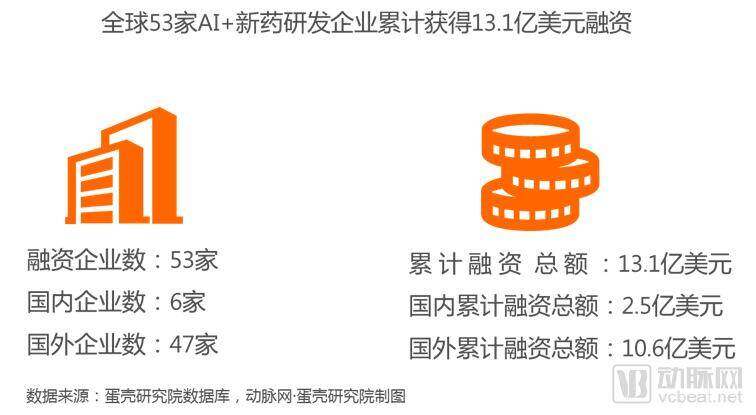
As of October 25, 2018, a total of 53 AI-driven new drug R&D companies globally (excluding those with undisclosed financing amounts) had secured funding, with the cumulative total reaching $1.31 billion. Among them, 47 companies outside China raised a total of $1.06 billion, while 6 companies in China raised a total of $250 million.
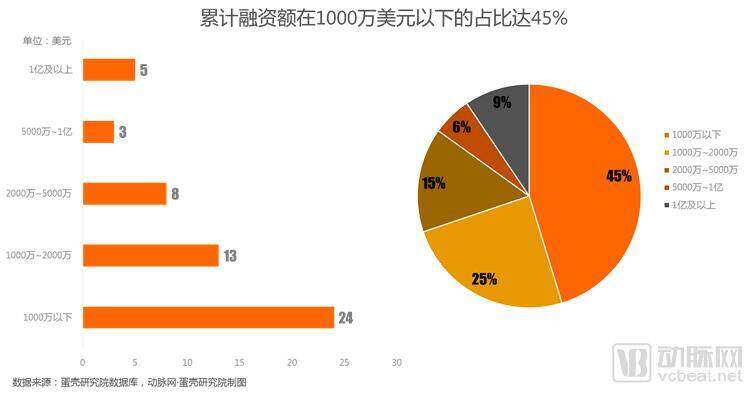
In terms of cumulative financing amounts among major AI-driven new drug R&D companies, 45% have raised less than $10 million, while only five companies have secured over $100 million. This indicates that the AI-enabled new drug discovery sector is an emerging field, with capital attention expected to gradually intensify in the future.
Remaining Content of This Report:
III. Capital Favor: Investment and Financing Status of AI-Driven New Drug R&D Enterprises
2. Geographic Distribution – The United States Leads by a Wide Margin, with China and the United Kingdom Neck and Neck
3. Distribution by Funding Round – Companies at Series A and Earlier Account for Nearly 80%
4. Distribution by Application Scenario – Target Discovery Sector Leads in Both Number of Financed Companies and Total Cumulative Funding
IV. Future Development: Optimization and Upgrading of Data Systems, Talent Teams, and Business Models
1. Build a comprehensive data system to address prerequisites and foundations
2. Build a Strong Team of Experts to Address Talent Bottlenecks
3. Innovate business models to diversify revenue streams
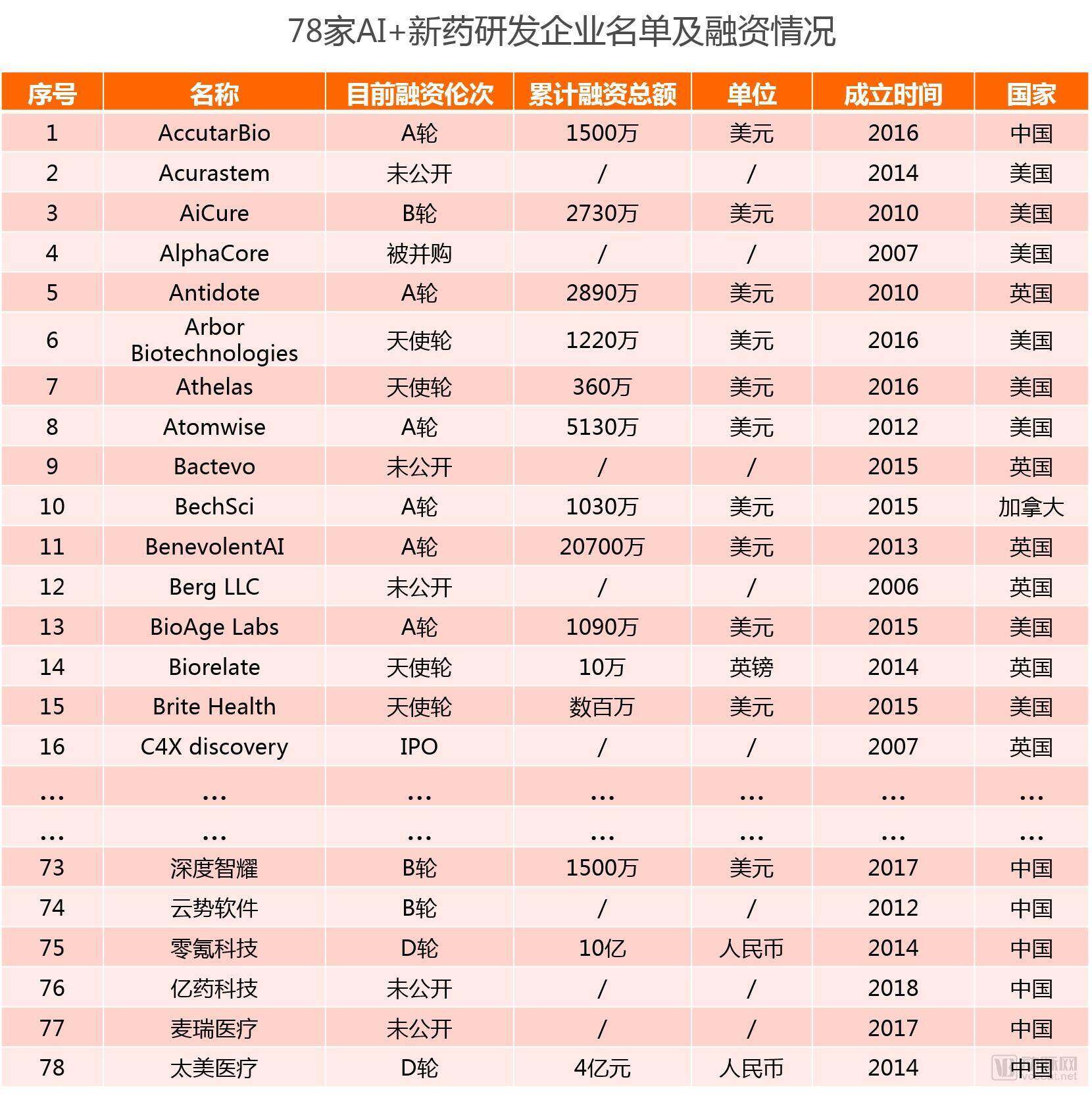
Appendix: List of 78 AI-Driven New Drug R&D Companies and Their Financing Status
NowLong-press to recognizeScan the QR code above to become an official member of VCBeat and gain access to the complete version of “Report on the Current Status and Trends of the AI-Driven New Drug R&D Market》and the Global List of 78 AI-Driven New Drug R&D Companies and Their Financing Status. Moreover, you will have unrestricted access to the complete content over the next year.Industry Trend Report, timely grasp the latest globalInvestment and Financing Information, boasting a comprehensive range ofMedical Enterprise Database,And there is also the seaResource Matching.

Special thanks to Mr. Zhang Yingnan, Founder & CEO of ForceClouds; Ms. Li Xing, Founder of Deep Intelligent Pharma; and Mr. Lai Lipeng, Co-founder of XtalPi and Head of the Big Data & AI R&D Center, for their strong support of this report.
References:
1、Artificial intelligence and machine learning: revolutionizing drug development——IMED Annual Review 2017.
2、World Preview 2018, Outlook to 2024——Evaluate Pharma.
3Embracing the New Era of Pharmaceutical Innovation: In-Depth Report on the Innovative Drug Industry and 2018 Investment Strategy—Galaxy Securities.
4In-Depth Report on the Pharmaceutical and Biotechnology Industry (2016-11-10): Some Issues Regarding the R&D of Innovative Drugs — East Money Securities
5Applications of Artificial Intelligence in Healthcare (III): Drug Discovery, https://vcbeat.net/YTgyN2QwMDc4ZWQyYTg1YWYzYTg1ZDkyZTAzYzU3MGU=