

AstraZeneca's Brilinta Significantly Reduces MACE Risk in Large Phase III THEMIS Cardiovascular Outcomes Trial
Feb 26, 2019 10:21
CST Updated
10:21

AstraZeneca
Biopharmaceutical Manufacturer
February 26, 2019 /BioValleyBIOON/ -- UK pharmaceutical giantAstraZeneca(AstraZeneca) recently announced that the Phase III clinical study THEMIS, which evaluated the cardiovascular outcomes of the anticoagulant Brilinta (ticagrelor), met its primary endpoint.
This study was initiated in early 2014, involving more than 19,000 cases with no prior history of myocardial infarction (Myocardial Infarction, MI) orStroke, presence of coronary artery disease (CAD) and type 2Diabetes(T2D) patients. The results showed that, compared with aspirin alone, Brilinta combined with aspirin achieved a statistically significant reduction in the composite risk of major adverse cardiovascular events (MACE). In this study, the preliminary safety results were consistent with the known safety profile of Brilinta. Comprehensive evaluation and analysis of the study results will be presented at the upcoming medicalConferencepublished above.
Elisabeth Björk, Senior Vice President and Head of Cardiovascular, Renal & Metabolism, as well as Head of BioPharmaceuticals R&D at AstraZeneca, stated, “There is an urgent unmet medical need for therapies that can further reduce the incidence of cardiovascular events in patients with concomitant coronary artery disease (CAD) and type 2 diabetes (T2D). The positive results from the THEMIS study may offer potential therapeutic benefits for this high-risk patient population.”
Gabriel Steg, Co-Chair of the THEMIS Study and Professor at the National Heart and Lung Institute, Imperial College London, stated, “Concomitant stable CAD and type 2Diabetespatients constitute a substantial population that continues to face a particularly high risk of serious adverse cardiac events. The optimal long-term antiplatelet therapy for this patient population has not yet been fully established. We look forward to the publication of the full results of the THEMIS study later this year.”
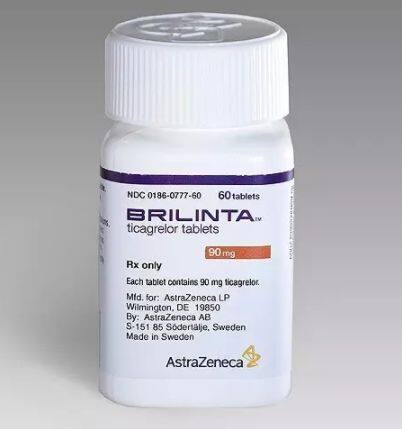
Brilinta is an oral, reversible, direct-acting P2Y12 receptor antagonist that works by inhibiting platelet activation. In acute coronary syndrome (ACS) or withMyocardial InfarctionIn patients with a history of [condition], Brilinta combined with aspirin has been shown to significantly reduce major adverse cardiovascular events (Myocardial Infarction、Strokeor cardiovascular death). The Brilinta plus aspirin regimen is indicated for adult patients with ASC, or those withMyocardial InfarctionPatients with a history of disease and at high risk for atherosclerotic thrombotic events, for the prevention of atherosclerotic thrombotic events.
According to AstraZeneca’s 2018 performance report released in mid-February, Brilinta achieved sales of $1.321 billion, a 22% increase from 2017, ranking it among AstraZeneca’s top 10 best-selling drugs. The successful outcome of the THEMIS cardiovascular outcomes study is expected to further enhance Brilinta’s commercial potential. (Bioon.com)