

FDA Expands Indication for Sanofi’s Combination Diabetes Drug Soliqua® 100/33 to Include Adults Uncontrolled on Oral Antidiabetic Medications
Feb 28, 2019 22:28
CST Updated
22:28
FDA
U.S. Food and Drug Administration
Sanofi
Pharmaceutical R&D Developer
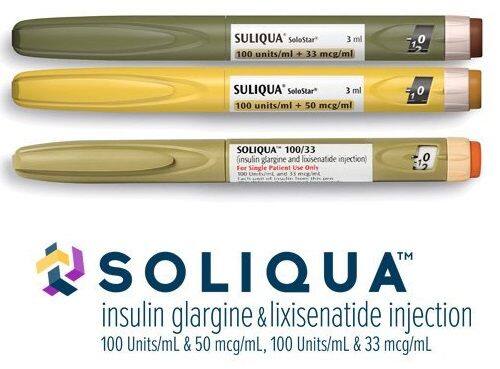
February 28, 2019/BioValleyBIOON/--U.S. Food and Drug Administration (FDA) Recently approved the expanded use of Sanofi’s antidiabetic drug Soliqua® 100/33 (insulin glargine and lixisenatide injection, 100 units/mL and 33 mcg/mL). Soliqua 100/33 is an injectable medication administered once daily. It was previously approved as an adjunct to diet and exercise for adults with type 2 diabetes whose blood glucose is not adequately controlled on basal insulin or lixisenatide.DiabetesAdult patients; currently, this drug is also indicated for type 2 diabetes patients whose blood glucose levels are not adequately controlled with oral antidiabetic agents.DiabetesAdult patients.
Soliqua 100/33 was approved in November 2016FDAApproved. This drug consists of a fixed-dose combination of basal insulin glargine (100 U/mL) and the glucagon-like peptide-1 (GLP-1) receptor agonist lixisenatide (33 mcg/mL).DiabetesCombination therapy: The two agents exhibit complementary glucose-lowering effects. Basal insulin glargine targets fasting blood glucose, while lixisenatide targets postprandial blood glucose; both contribute to reducing glycated hemoglobin (HbA1c) levels.
Michelle Carhan, Head of Primary Care at Sanofi North America, stated, “Many type 2DiabetesThe patient’s blood glucose levels cannot be adequately controlled through diet and exercise alone, and additional interventions may be required to help lower blood glucose levels.FDA“This decision marks the approval of the first combination injectable therapy comprising insulin and a GLP-1 receptor agonist for adult patients with type 2 diabetes not adequately controlled by diet and exercise, providing them with an option to help achieve their treatment goals.”
This approval is based on data from the LixiLan-O clinical study, which demonstrated that in patients with type 2 diabetes whose blood glucose was not adequately controlled with metformin and/or a second oral antidiabetic agent, treatment with Soliqua 100/33 significantly reduced blood glucose levels compared with insulin glargine and lixisenatide (−1.6%, −1.3%, and −0.9%, respectively; p<0.0001). Furthermore, a significantly higher proportion of patients in the Soliqua 100/33 group (74%) achieved their target blood glucose levels compared with those in the insulin glargine group (59%) or the lixisenatide group (33%). The incidence of hypoglycemic events was similar between the Soliqua 100/33 (25.6%) and insulin glargine (23.6%) groups, whereas it was lower in the lixisenatide group (6.4%). At the initiation of treatment, the most common adverse events in the Soliqua 100/33 group wereAdverse Reactionsnausea (9.6%) and vomiting (3.2%).
Sanofi will continue to offer a savings program for Soliqua 100/33, which can cap out-of-pocket costs at $0 for all commercially insured patients, regardless of their insurance plan or income level. For more information about this program, visit www.soliqua100-33.com.(Bioon.com)
Original Source:FDA expands indication for Soliqua® 100/33