

Dupixent Poised to Become First Biologic Therapy for Chronic Rhinosinusitis with Nasal Polyps
Mar 11, 2019 15:11
CST Updated
15:11

Regeneron
Biopharmaceutical Manufacturer

Sanofi
Pharmaceutical R&D Developer

FDA
U.S. Food and Drug Administration

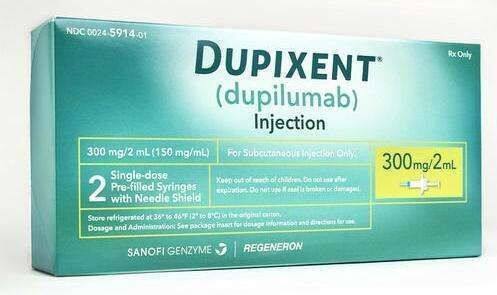
March 11, 2019/BioValleyBIOON/--French pharmaceutical giant Sanofi and its partner Regeneron recently announced that the U.S. Food and Drug Administration (FDA) has accepted a supplemental Biologics License Application (sBLA) for the novel anti-inflammatory drug Dupixent (dupilumab) and granted it priority review. The sBLA seeks approval for Dupixent as an add-on maintenance therapy for adult patients with inadequately controlled severe chronic rhinosinusitis with nasal polyps (CRSwNP).FDAThe Prescription Drug User Fee Act (PDUFA) target date has been set for June 26, 2019. If approved, Dupixent will become the first biologic therapy for the treatment of CRSwNP.
This sBLA is supported by data from two pivotal placebo-controlled Phase III clinical studies (SINUS-24 and SINUS-52). The relevant data were presented in late February this year at the 2019 American Academy of Allergy, Asthma & Immunology meeting held in San Francisco, USA.AsthmaandImmunologypresented at the annual meeting of the American Academy of Allergy, Asthma & Immunology (AAAAI). These twoThe study was conducted in adult patients with recurrent severe chronic rhinosinusitis with nasal polyps (CRSwNP) who had previously undergone surgery and/or systemic corticosteroid treatment but had inadequate disease control. The results showed that the study met all primary and secondary endpoints: when added to standard-of-care intranasal corticosteroid spray, Dupixent improved nasal polyp size, severity of nasal congestion, chronic rhinosinusitis, sense of smell, and comorbidities compared with placebo.AsthmaPrognosis. In these severe patients, Dupixent also reduced the need for systemic corticosteroids and nasal/sinus surgery.
Professor Claus Bachert, Head of the Department of Otorhinolaryngology at Ghent University and principal investigator for both studies, previously commented, “Dupixent is the first biologic therapy proven to exert disease-modifying effects in severe CRSwNP. The drug significantly improved all disease measures assessed in the studies, including olfaction, which is one of the most troublesome and challenging symptoms for patients. Comorbid CRSwNP andAsthma"Patients are often more difficult to treat, and the research results show that Dupixent can address both conditions in these patients, which is very encouraging."
Chronic rhinosinusitis with nasal polyps (CRSwNP) is a chronic upper respiratory disease primarily driven by type 2 inflammation, characterized by polyps that obstruct the sinuses and nasal passages. Current treatment options include intranasal corticosteroids, systemic corticosteroids, and surgery; however, all these modalities are associated with suboptimal efficacy and/or high rates of recurrence. Patients may experience severe nasal obstruction, difficulty breathing, rhinorrhea, reduced or lost sense of smell and taste, and facial pain or pressure. The persistent symptoms of CRSwNP significantly adversely affect patients’ health-related quality of life, including reduced productivity and impairment in activities of daily living, inability to enjoy food, sleep deprivation, and fatigue.
Dupixent targets the key drivers of type 2 inflammation. This fully human monoclonal antibody specifically inhibits the overactivated signaling of two key proteins, IL-4 and IL-13. IL-4 and IL-13 are two inflammatory cytokines considered to be the key drivers of intrinsic inflammation in allergic diseases and other type 2 inflammatory conditions, including atopic dermatitis,Asthma, eosinophilic esophagitis, grass allergy, peanut allergy, etc.
Dupixent was approved in late March 2017, becoming the first biologic agent worldwide for the treatment of moderate-to-severe atopic dermatitis (AD), and has subsequently been approved for the treatment of moderate-to-severe asthma. Currently, Sanofi and Regeneron are also conducting an extensive clinical program to evaluate Dupixent for the treatment of diseases driven by allergies and other type 2 inflammation, including: atopic dermatitis in children (aged 6–11 years) (Phase III), atopic dermatitis in children (aged 6 months to 5 years) (Phase II/III), atopic dermatitis in adolescents (aged 12–17 years) (Phase III completed), and children (aged 6–11 years)Asthma(Phase III), eosinophilic esophagitis (Phase II/III), and food and environmental allergies (Phase II). In addition, the two parties also plan to conduct a clinical study to evaluate the combination of Dupixent with the IL-33-targeting monoclonal antibody REGN3500.(BioValley Bioon.com)