

Janssen Submits Prospectus Highlighting Successful Phase III UNIFI Trial of Stelara (ustekinumab) in Moderate to Severe Ulcerative Colitis
Mar 13, 2019 08:24
CST Updated
08:24

Johnson & Johnson
Healthcare Product Manufacturers, Health Service Providers

Janssen Pharmaceuticals
Pharmaceutical R&D Developer

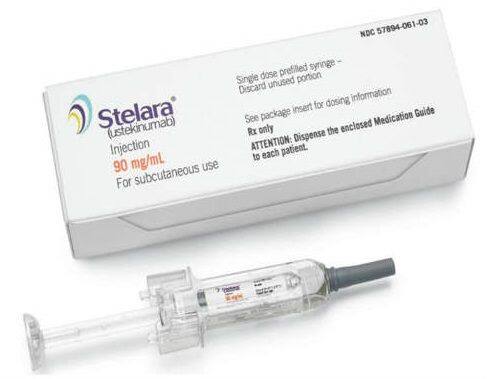
March 13, 2019 /BioValleyBIOON/ -- Janssen Pharmaceuticals, a subsidiary of US pharmaceutical giant Johnson & Johnson (JNJ), recently announced new data from the Phase III UNIFI study evaluating the anti-inflammatory drug Stelara (ustekinumab) in adult patients with moderate-to-severe ulcerative colitis (UC): Compared with the placebo group, a significantly higher proportion of patients in the Stelara subcutaneous (SC) maintenance therapy group achieved clinical remission (the primary endpoint) after one year of treatment. These one-year data were recently presented as a plenary session at the 14th Congress of the European Crohn’s and Colitis Organisation (ECCO) held in Copenhagen, the capital of Denmark.Meeting(Abstract OP37) First presentation.
The UNIFI study evaluated the efficacy and safety of Stelara induction and maintenance therapy in adult patients with moderately to severely active ulcerative colitis (UC) who had an inadequate response to or were intolerant of conventional therapies (such as corticosteroids and immunomodulators) or biologic therapies (such as one or more TNF blockers or Entyvio). Both the induction and maintenance phases were randomized, double-blind, placebo-controlled studies. The induction phase lasted at least 8 weeks per patient, and those who achieved a clinical response entered the maintenance phase. The maintenance phase lasted 44 weeks, with the primary endpoint being the clinical remission rate at Week 44 among patients who had demonstrated a clinical response to a single intravenous (IV) dose of Stelara. Upon completion of the maintenance study, eligible patients continued into an additional 3-year long-term extension study.
Results from the maintenance phase showed that at Week 44 (52 weeks after intravenous injection), 44% and 38% of patients in the Stelara SC maintenance therapy groups administered every 8 weeks (q8w) and every 12 weeks (q12w), respectively, achieved clinical remission (defined as a Mayo score ≤2 with no individual subscore >1), compared with 24% in the placebo group (all p<0.001). Compared with the placebo group, higher proportions of patients in the q8w and q12w treatment groups achieved key secondary endpoints, including: maintenance of clinical response, endoscopic improvement, corticosteroid-free remission, and maintenance of clinical remission relative to baseline.
One-year data are as follows:(1) Clinical response was maintained in 71% and 68% of patients in the Stelara q8w and Stelara q12w groups, respectively, compared with 44% in the placebo group (all p > 0.001). Clinical response was defined as a reduction from baseline in the Mayo score of ≥30% and ≥3 points, with a reduction from baseline in the rectal bleeding subscore of ≥1 or a rectal bleeding subscore of 0 or 1. (2) Endoscopic improvement was achieved in 51% and 44% of patients in the Stelara q8w and Stelara q12w groups, respectively, compared with 29% in the placebo group (p < 0.001 and p = 0.002, respectively). Endoscopic improvement was defined as a Mayo endoscopic subscore of 0 (normal mucosa or inactive disease) or 1 (mild disease activity). (3) Corticosteroid-free clinical remission was achieved in 42% and 38% of patients in the Stelara q8w and Stelara q12w groups, respectively, compared with 23% in the placebo group (p < 0.001 and p = 0.002, respectively).
During the one-year treatment period, the proportions of patients experiencing adverse events (AEs), serious AEs, infections, and serious infections in the Stelara treatment group were roughly comparable to those in the placebo group. Compared with placebo, the proportions of patients discontinuing treatment were lower in the Stelara q8w and q12w groups. Among the primary patient population during the maintenance phase, no deaths occurred, and two cases of non-MelanomaMalignancies Other Than Skin Cancer (NMSC)Tumor(1 case of colon cancer, q8w; 1 case of papillary renal cell carcinoma, q12w), and 1 case of NMSC (with 2 events of squamous cell carcinoma, q12w). Overall, the safety profile of Stelara in patients with UC was consistent with the known safety profile of Stelara in Crohn’s disease.
At the conference, Janssen also presented a digital oral presentation (Abstract DOP71), which included additional data from the UNIFI induction study evaluating the impact of Stelara on histologic-endoscopic mucosal healing (HEMH), a new, pre-specified endpoint in this program. The results showed that, compared with placebo, patients treated with a single intravenous (IV) induction dose of Stelara achieved higher rates of endoscopic improvement, histologic improvement, and attainment of the composite HEMH endpoint at Week 8. HEMH assesses colonic response to treatment both histologically and endoscopically, both of which are associated with improved long-term clinical outcomes, such as reduced risk of relapse, need for surgery or hospitalization, and reduced risk of cancer development.
William Sandborn, Chief Investigator of UNIFI and Professor of Medicine in Gastroenterology at the University of California, stated, “UC is a disruptive, lifelong, potentially debilitating inflammatory bowel disease, but it is also a condition that can go into remission. Data indicate that Stelara, as an effective treatment, has the potential to help UC patients achieve remission and provide other meaningful outcomes, including clinical response, histologic-endoscopic improvement, and corticosteroid-free remission.”
Scott E. Plevy, Head of Gastroenterology Disease Area and IL-23 Pathway at Janssen Research & Development, stated, “The UNIFI maintenance-phase data further establish the evidence supporting Stelara as a potential new treatment option for UC. We are also proud that UNIFI is the first Phase 3 study to report tissue-endoscopic composite endpoints in patients with UC.”
Stelara is the first biologic agent approved globally to simultaneously target interleukin-12 (IL-12) and interleukin-23 (IL-23). IL-12 and IL-23 are two naturally occurring cytokines believed to play a key role in immune-mediated inflammatory diseases, including plaque psoriasis, psoriatic arthritis, Crohn’s disease, systemicLupus ErythematosusStelara inhibits these two pro-inflammatory cytokines by binding to the p40 subunit shared by IL-12 and IL-23, thereby blocking their interaction with the IL-12β1 receptor on the cell surface.(Bioon.com)
Original Source:Johnson & Johnson Official Website