

Lilly's CYRAMZA® (Ramucirumab) Plus Erlotinib Achieves Primary Endpoint in Phase 3 RELAY Trial for First-Line Treatment of Metastatic EGFR-Mutated NSCLC
Mar 14, 2019 08:16
CST Updated
08:16

Eli Lilly
Global Pharmaceutical R&D and Production Company
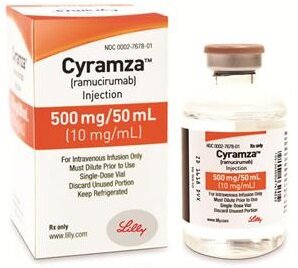
March 14, 2019 News /BioValleyBIOON/ -- U.S. pharmaceutical giantEli Lilly(Eli Lilly) recently announced that the Phase III clinical study RELAY, evaluating Cyramza (ramucirumab) as first-line treatment for patients with metastatic EGFR-mutant non-small cell lung cancer (NSCLC), met its primary endpoint of significantly prolonging progression-free survival (PFS).
This study is a global, randomized, double-blind, placebo-controlled trial evaluating Cyramza in combination with erlotinib versus placebo in combination with erlotinib as first-line treatment for patients with previously untreated metastatic NSCLC, whoseTumorwith EGFR exon 19 deletions or exon 21 (L858R) substitution mutations. The study commenced in 2015, randomly assigning 449 patients from North America, Europe, and Asia. The primary endpoint was progression-free survival (PFS), and secondary endpoints included safety, response rate, overall survival (OS), and patient-reported outcomes.
The results showed that, compared with the placebo + erlotinib treatment group, the Cyramza + erlotinib treatment group had a significantly reduced risk of disease progression or death, achieving the primary endpoint of PFS. The safety observed in this study was consistent with previous Phase III clinical studies of Cyramza and the established safety profile of erlotinib. Compared with the placebo + erlotinib treatment group, the most common (incidence >5%) Grade 3 or higher adverse events with a higher incidence (difference ≥5%) in the Cyramza + erlotinib treatment group wereHypertension, acneiform rash and diarrhea.
Notably, the RELAY study is also the second Phase III study to yield positive data evaluating Cyramza for the treatment of metastatic NSCLC. Based on the results of this study,Eli LillyPlan to initiate global regulatory submissions for Cyramza in combination with erlotinib as first-line treatment for EGFR-activating mutation-positive NSCLC by mid-year. Detailed efficacy and safety results from the study will be presented at the medical conference held in 2019.Meetingpublished above.
In the prior Phase III REVEL clinical trial, the Cyramza plus docetaxel regimen significantly prolonged overall survival (OS) compared with placebo plus docetaxel in patients with metastatic non-small cell lung cancer (NSCLC) whose disease had progressed during or after platinum-based chemotherapy for locally advanced or metastatic disease, thereby meeting the study’s primary endpoint as well as the secondary endpoints of progression-free survival (PFS) and response rate. Data from the REVEL study support the current indication for Cyramza as second-line treatment for NSCLC.
The previously completed Phase III studies also supported the approval of Cyramza for second-line treatment of gastric cancer and colorectal cancer. Based on the results of another Phase III study, REACH-2,Eli LillyRegulatory applications for Cyramza as a second-line treatment for hepatocellular carcinoma (HCC) have been submitted in the United States, the European Union, and Japan.
Eli LillyTumorMaura Dickler, Vice President of Late-Stage Development, stated, “Although progress has been made in the treatment of metastatic EGFR-mutant NSCLC in recent years, the prognosis remains poor, and more first-line treatment options are needed to help patients with this fatal disease. We are excited about the results of the RELAY study, which demonstrate that Cyramza in combination with erlotinib can significantly delay disease progression in these patients. This study also representsEli LillyAnother example of our unwavering commitment to providing new treatment options for patients with lung cancer. We thank the patients, investigators, andClinical Trialspoint, and we look forward to collaborating with global regulatory authorities to submit our application documents.”
Globally, lung cancer is the leading cause of cancer-related deaths, and non-small cell lung cancer (NSCLC) is the most common type, accounting for approximately 80%–85% of all lung cancer cases. There is no cure for patients with metastatic NSCLC; survival rates are low, and disease progression following the development of acquired resistance remains a significant challenge. Most patients receive multiple lines of therapy, and first-line treatment options can influence the selection of subsequent therapies. Currently, tyrosine kinase inhibitors (TKIs) are the standard of care for treating EGFR-mutated NSCLC.
Erlotinib and Cyramza target signaling pathways that are key drivers of tumor growth and progression. Erlotinib is a TKI that selectively inhibits EGFR kinase activity; Cyramza is an anti-angiogenic therapy targeting VEGF, capable of blockingTumorblood supply.
In the United States, Cyramza has been approvedFDAApproval: (1) As monotherapy or in combination with paclitaxel for patients with advanced or metastatic gastric or gastroesophageal junction adenocarcinoma (GEJA) who have experienced disease progression during or after fluoropyrimidine- or platinum-containing chemotherapy; (2) In combination with docetaxel for patients with metastatic non-small cell lung cancer (NSCLC) whose disease has worsened during or after platinum-based chemotherapy; (3) In combination with the FOLFIRI regimen for patients with metastatic colorectal cancer (mCRC) who have experienced disease progression during or after prior treatment with bevacizumab, oxaliplatin, and fluoropyrimidine. (Bioon.com)