

Roche’s MabThera (Rituximab) Approved by European Commission as First-Ever Biologic Therapy for Pemphigus Vulgaris, Marking a Major Advance in 60 Years
Mar 16, 2019 10:12
CST Updated
10:12
Roche
Oncology Drug Research, Development, and Manufacturing

European Commission
The European Commission, abbreviated as the EU Commission, is a supranational body under the European Union. Within the EU political system, the European Commission primarily undertakes executive tasks, thus being roughly equivalent to the government in a national system. However, the European Commission has other functions as well. In particular, except for the few circumstances specified in the treaties, the European Commission is the only institution with legislative power in the EU legislative process.
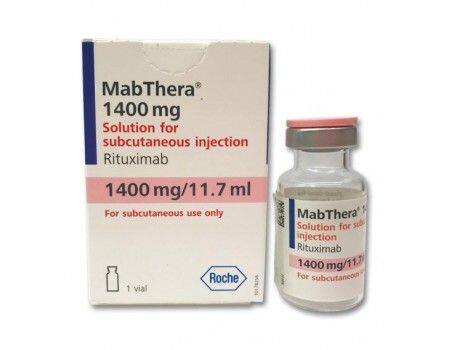
March 16, 2019/Bio ValleyBIOON/-- Swiss pharmaceutical giant Roche announced that the European Commission (EC) has approved MabThera (generic name: rituximab) for the treatment of adult patients with moderate-to-severe pemphigus vulgaris (PV), a rareAutoimmunitySexually transmitted diseases.
This approval makes MabThera the first biologic therapy approved by the EC for the treatment of PV, marking the first major advance in the clinical management of PV in more than 60 years. In the United States,FDAIn June 2018, Rituxan (brand name in the U.S. market) was approved for the treatment of PV. To date, Rituxan has been approved in the United States and the European Union for the treatment of four indications.AutoimmunitySexually transmitted diseases, including: classRheumatoid Arthritis(RA), granulomatosis with polyangiitis (GPA), microscopic polyangiitis (MPA), PV.
MabThera (Rituxan) is a therapeutic monoclonal antibody that targets and binds to the CD20 antigen on the surface of both normal and malignant B cells, subsequently mobilizing the body’s natural defenses to attack and destroy the marked B cells.
PV is a rare, severe, potentially life-threateningAutoimmunityPemphigus vulgaris is characterized by progressive, painful blistering of the skin and mucous membranes, accounting for approximately 80% of pemphigus cases. Pemphigus comprises a group of autoimmune diseases caused by autoantibodies produced by B cells in the immune system that attack desmosomal proteins connecting epidermal skin cells. When these connections are disrupted, the cells separate from one another, leading to skin separation and blister formation. It is estimated that pemphigus affects more than 50,000 people in Europe.
Sandra Horning, Chief Medical Officer and Global Head of Product Development at Roche, stated, “We are pleased to bring the first biologic therapy to more than 50,000 PV patients in Europe. The approval of this new indication for Mabthera provides a much-needed new treatment option that has demonstrated higher response rates than corticosteroids alone, which can cause debilitating side effects.”
Recently, the International Bullous Diseases Consensus Group (IBDCG) published in the Journal of the American Academy of Dermatology (JAAD) guidelines on pemphigusDiagnosisNew Recommendations for Treatment. Based on existing European treatment guidelines, a Delphi survey process was used to help achieve international expert consensus, which includes recommending the use of anti-CD20 monoclonal antibodies (Rituxan) and corticosteroids (CS) as first-line treatment options for moderate to severe pemphigus.
This approval is based on data from the Ritux 3 clinical study. The study was a prospective, multicenter, randomized, parallel-group, open-label study involving 90 newlyDiagnosisconducted in patients with moderate-to-severe pemphigus vulgaris (PV). In the study, patients were randomly assigned to two treatment arms: (1) a standard-dose corticosteroid (CS) regimen; and (2) a Rituxan-based regimen combined with a short-term, low-dose oral CS tapering schedule. The primary endpoint was achieving complete remission at month 24 of treatment, defined as complete epithelialization without new and/or existing lesions, while maintaining freedom from corticosteroid use for two months or longer. Study results demonstrated that Rituxan significantly improved PV remission rates while successfully reducing and/or discontinuing CS therapy. Specifically, 89.5% of patients in the Rituxan plus CS arm achieved the primary endpoint, compared to only 27.8% in the CS-alone arm.
Currently, Roche is conducting another Phase III study, PEMPHIX (NCT02383589), to evaluate the efficacy and safety of Rituxan combined with a gradually tapered corticosteroid (CS) regimen compared to the immunosuppressive drug CellCept (mycophenolate mofetil). (Bioon.com)