

GSK's PARP Inhibitor Zejula (Niraparib) Significantly Extends Symptom-Free Survival in Patients with Recurrent Ovarian Cancer
Mar 19, 2019 08:41
CST Updated
08:41

TESARO
Tumor Therapy Developer

GSK
Pharmaceutical R&D Manufacturer

March 19, 2019/Bio ValleyBIOON/--British pharmaceutical giantGlaxoSmithKlineTesaro, the oncology company under GSK, recently held the 50th Annual Meeting of the Society of Gynecologic Oncology in Honolulu, Hawaii in 2019.TumorNew analysis data from the Phase III ENGOT-OV16/NOVA clinical study on Zejula (Chinese brand name: Zeler; generic name: niraparib), a PARP inhibitor-targeted anticancer drug, for maintenance treatment of patients with recurrent ovarian cancer were presented at the Society of Gynecologic Oncology (SGO) Annual Meeting on Women's Cancer Care.
This analysis included 203 patients with germline BRCA mutations (138 in the Zejula group and 65 in the placebo group) and 350 patients without germline BRCA mutations (234 in the Zejula group and 116 in the placebo group). The researchers calculated the time to toxicity, defined as the number of days from randomization until disease progression during which patients experienced adverse events. Symptomatic adverse events in this analysis included fatigue, nausea, and vomiting of Grade 2 or higher.
Analysis results showed that, compared with placebo, Zejula significantly prolonged the time without symptoms or toxicity in patients with recurrent ovarian cancer, regardless of their BRCA mutation status. Previous studies have demonstrated that Zejula significantly prolongs progression-free survival (PFS) in patients with recurrent ovarian cancer.
The specific data are as follows: (1) In patients with germline BRCA mutations, compared with placebo, Zejula treatment resulted in a mean progression-free survival (PFS) benefit of 3.23 years, a mean time with toxicity of 0.28 years, and a mean time with benefit free of symptoms or toxicity of 2.95 years; (2) In patients without germline BRCA mutations, compared with placebo, Zejula treatment resulted in a mean PFS benefit of 1.44 years, a mean time with toxicity of 0.1 years, and a mean time with benefit free of symptoms or toxicity of 1.34 years.
The study’s principal investigator, gynecologic oncologist at Dana-Farber Cancer InstituteTumorUrsula A. Matulonis, the Department Chair, stated, “When patients with recurrent ovarian cancer achieve remission after platinum-based chemotherapy, they now have the option to use PARP inhibitors to prolong their progression-free survival (PFS). All maintenance therapy studies included an assessment of patient quality of life (QoL), which is critically important because it allows patients to remain on these medications without experiencing unacceptable toxicity while maintaining cancer remission. If we are to introduce a maintenance therapy that does not significantly alter female patients’ quality of life, demonstrating this is essential.”
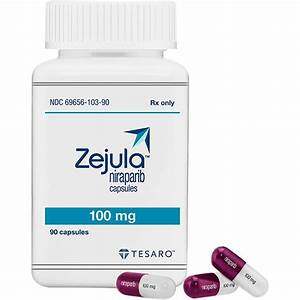
The active pharmaceutical ingredient of Zejula is niraparib, an oral, small-molecule poly(ADP-ribose) polymerase (PARP) inhibitor that selectively kills cancer cells by exploiting defects in DNA repair pathways. This mechanism of action endows the drug with the potential to treat a broad spectrum of tumors harboring DNA repair deficiencies. PARP is associated with a wide range ofTumorType-related, especiallyBreast Cancerand ovarian cancer.
Zejula was developed by TESARO, Inc.GlaxoSmithKlineIn December 2018, Tesaro was acquired for $5.1 billion (approximately £4 billion). In late September 2016, Zai Lab entered into a licensing agreement with Tesaro, securing the rights to Zejula in mainland China, Hong Kong, and Macau. In Hong Kong, Zejula (Zele) was approved in October 2018, and Zai Lab is currently actively engaged in its commercial sales. In mainland China, the National Medical Products Administration (NMPA) accepted the new drug application for Zejula in late January 2019 and granted it priority review status.
Zejual is a potential best-in-class PARP inhibitor, owing to its differentiated efficacy, once-daily dosing, and superior pharmacokinetic profile, including its ability to cross the blood-brain barrier. (Bioon.com)