

FDA Partially Halts AbbVie/Roche's Venetoclax Phase III Multiple Myeloma Trials Due to Elevated Mortality Risk
Mar 20, 2019 15:58
CST Updated
15:58

Roche
Oncology Drug Research, Development, and Manufacturing

AbbVie
Innovative Drug Developer

FDA
U.S. Food and Drug Administration
March 20, 2019 News /Bio ValleyBIOON/ -- U.S. biotechnology giant AbbVie recently announced that the U.S. Food and Drug Administration (FDA) has partially suspended all clinical studies evaluating venetoclax (Venclexta/Venclyxto) for the treatment of multiple myeloma (MM). This decision was made following a review of data from the ongoing Phase III clinical study BELLINI (M14-031), which was conducted in patients with relapsed or refractory MM. The analysis revealed a higher proportion of patient deaths in the venetoclax treatment group compared to the control group. Therefore, pending further data analysis, all venetoclax treatments for MMClinical TrialNo new patients should be enrolled. Patients currently enrolled in the study who are receiving venetoclax treatment and benefiting from it may continue treatment after consulting with their physician.
FDAThis decision does not affect any approved indications for venetoclax, such as chronic lymphocyticLeukemia(CLL) or acute myeloid leukemia (AML), and limited to MMClinical Trial. AbbVie remains confident in the benefit-risk profile of venetoclax for its approved indications.
BELLINI is a multicenter, randomized, double-blind study conducted in patients with relapsed or refractory multiple myeloma (MM) who had previously received 1–3 lines of therapy and were either proteasome inhibitor-sensitive or treatment-naïve, evaluating the efficacy and safety of bortezomib and dexamethasone in combination with venetoclax versus placebo. The results showed that the study met its primary endpoint of progression-free survival (median PFS: 22.4 months vs. 11.5 months; HR=0.63, 95% CI: 0.44–0.90), while significantly improving the overall response rate (ORR: 82% vs. 68%) and the rate of very good partial response (VGPR: 59% vs. 36%).
FDAReview details of the BELLINI study include the following safety updates:In a prespecified analysis of the primary and secondary endpoints, 41 of the 194 patients (21.1%) treated with venetoclax died, including 13 (6.7%) treatment-related deaths (HR=2.03; 95% CI: 1.042–3.945). Of these 13 treatment-related deaths, eight were attributed by investigators to infectious events, and more than half occurred in patients with refractory or progressive disease. In the placebo group, 11 of the 97 patients (11.3%) died, including one (1.0%) treatment-related death (occurring within 30 days after the last dose). The incidences of grade 3–5 toxicities (venetoclax vs. placebo: 86.5% vs. 87.5%) and serious adverse events (48.2% vs. 50.0%) were similar between the two groups. The rates of infection were 79.8% and 77.1%, respectively; the incidences of pneumonia were 20.7% and 15.6%, respectively; the rates of serious adverse events of infection were 28.0% and 27.1%, respectively; and the rates of serious adverse events of pneumonia were 14.0% and 12.5%, respectively, in the venetoclax and placebo groups. Common causes of death unrelated to disease progression included sepsis, pneumonia, and cardiac arrest.
In all clinical studies evaluating venetoclax for the treatment of multiple myeloma (MM), patients who are benefiting from venetoclax therapy may continue treatment upon mutual agreement between the patient and the physician.
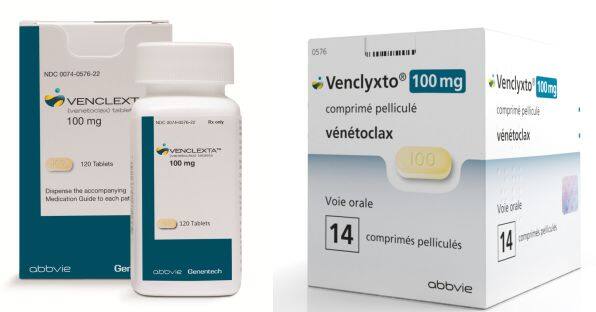
Venetoclax is a first-in-class, oral, selective B-cell lymphoma-2 (BCL-2) inhibitor. BCL-2 plays a critical role in apoptosis (programmed cell death) by preventing the apoptosis of certain cells, including lymphocytes. It is overexpressed in certain types of cancer and is associated with the development of drug resistance. Venetoclax is designed to selectively inhibit BCL-2 function, restore cellular signaling pathways, and induce cancer cell self-destruction, thereby achieving antitumor therapeutic effects.
In the United States, venetoclax has been granted Breakthrough Therapy Designation five times. The drug was first approved for marketing in April 2016,To date, it has been approved in more than 50 countries worldwide.venetoclaxDeveloped jointly by AbbVie and Roche, the two companies are jointly responsible for the commercialization of the drug in the U.S. market (brand name: Venclexta), while AbbVie is responsible for commercialization in markets outside the United States (brand name: Venclyxto). Currently, both parties are conducting a large-scale clinical program to investigate venetoclax as monotherapy and in combination regimens for the treatment of various types of hematologic malignancies, including chronic lymphocytic leukemia (CLL), acute myeloid leukemia (AML), non-Hodgkin lymphoma (NHL), diffuse large B-cell lymphoma (DLBCL), and multiple myeloma (MM). (Bioon.com)