

UCB Launches Vimpat® (Lacosamide) Intravenous Infusion 200mg in Japan for Partial-Onset Seizures
Mar 27, 2019 16:14
CST Updated
16:14

UCB
Biopharmaceutical and Specialty Chemicals Developer

Daiichi-Sankyo
Pharmaceutical R&D Developer

March 27, 2019 /BioonBIOON/ -- UCB Japan Co., the Japanese subsidiary of Belgian pharmaceutical giant UCB, and Daiichi Sankyo recently announced the joint launch of Vimpat® Intravenous Infusion 200 mg (generic name: lacosamide) in Japan. The availability of this product will strengthen the Vimpat® portfolio in the Japanese market, thereby making a greater contribution to patients with epilepsy and healthcare professionals.
Vimpat® 200 mg Intravenous Infusion is a new dosage form developed as an alternative to the oral formulation of Vimpat for the treatment of partial-onset seizures (with or without secondary generalization) in patients with epilepsy for whom oral administration is temporarily not suitable. Therefore, this intravenous infusion dosage form facilitates continuous treatment for patients with epilepsy.
In mid-March, Vimpat® 10% Oral Granules for Suspension were also launched in Japan. This new dosage form of Vimpat® complements the existing 50 mg and 100 mg tablets and is indicated for the treatment of partial-onset seizures (with or without secondary generalization) in patients with epilepsy. Vimpat® 10% Oral Granules for Suspension are mixed with water prior to administration, which is expected to improve medication adherence in patients who have difficulty swallowing Vimpat® tablets, such as pediatric patients and elderly patients with impaired swallowing function.
Epilepsy is one of the most common chronic neurological disorders worldwide, with approximately 3.4 million patients in the United States, 1 million in Japan, 6 million in Europe, and 9 million in China, totaling around 65 million patients globally, nearly half of whom develop the condition during childhood.Diagnosis. Given the highly variable nature of epilepsy occurring in childhood and its potential association with numerous comorbidities, new treatment regimens are needed to provide seizure control with minimal side effects.
Vimpat is a novel glycine-site antagonist of the NMDA receptor, belonging to a new class of functional amino acids and representing an anticonvulsant drug with a novel dual mechanism of action. Compared with other antiepileptic drugs, Vimpat exhibits activity in modulating sodium ion channels, which play a crucial role in regulating nervous system activity and facilitating signal transmission between nerve cells. By reducing the hyperactivity of sodium ion channels, it controls neuronal activity for the treatment of epilepsy.
In China, Vimpat was approved in early December 2018 as an adjunctive therapy for the treatment of partial-onset seizures (with or without secondary generalization) in adolescents and adults aged 16 years and older with epilepsy. It is estimated that there are nearly 10 million people with epilepsy in China, with approximately 400,000 new diagnoses each year. The approval of Vimpat marks a significant milestone for the vast population of epilepsy patients in China, providing an exciting new therapeutic option for this community. Results from a nationwide survey indicate that poorly controlled seizures have led to an unemployment rate approaching 70% among epilepsy patients in China. This underscores a clear unmet need for medications that can better manage and control the condition within the epilepsy patient population.
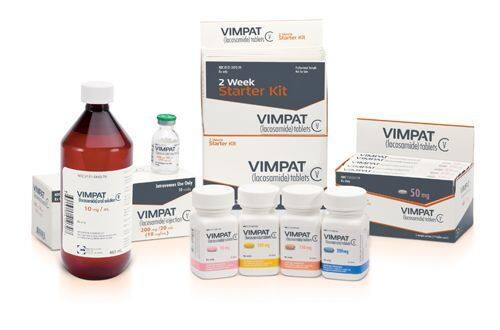
Currently, the marketed formulations of Vimpat include tablets in various strengths, oral syrup, injection, and dry syrup. For patients who are temporarily unable to take oral medications, Vimpat injection is an available option. (Bioon.com)