

Novartis Announces FDA Approval and Pricing of Siponimod (Mayzent) for Multiple Sclerosis at $88,000 per Year

Novartis
Drug Development and Manufacturing
On March 26, siponimod (Mayzent), a key asset in Novartis’ new drug pipeline, received FDA approval for the treatment of adults with relapsing forms of multiple sclerosis, including clinically isolated syndrome, relapsing-remitting multiple sclerosis, and active secondary progressive multiple sclerosis.

Source: PharmCube Website
According to a Reuters report on March 27, Novartis has priced Mayzent at $8,800 per year. The Institute for Clinical and Economic Review (ICER) had previously commented that Mayzent would offer high cost-effectiveness only if priced between $680 and $1,000 per month ($8,160–$12,000 per year). Novartis’s current pricing falls within the lower end of this range.
Novartis’ previous-generation oral MS drug, fingolimod, is priced at $6,000 per year. Roche’s ultra-long-acting Ocrevus (ocrelizumab) is priced at $6,500 per year. In terms of dosing regimen, the initial dose of ocrelizumab is 600 mg, administered in two divided doses of 300 mg each via intravenous infusion once weekly; the subsequent maintenance dose is 600 mg, administered via intravenous infusion once every six months. Siponimod is an oral tablet available in two strengths, 0.25 mg and 2 mg, with a recommended maintenance dose of 2 mg once daily.
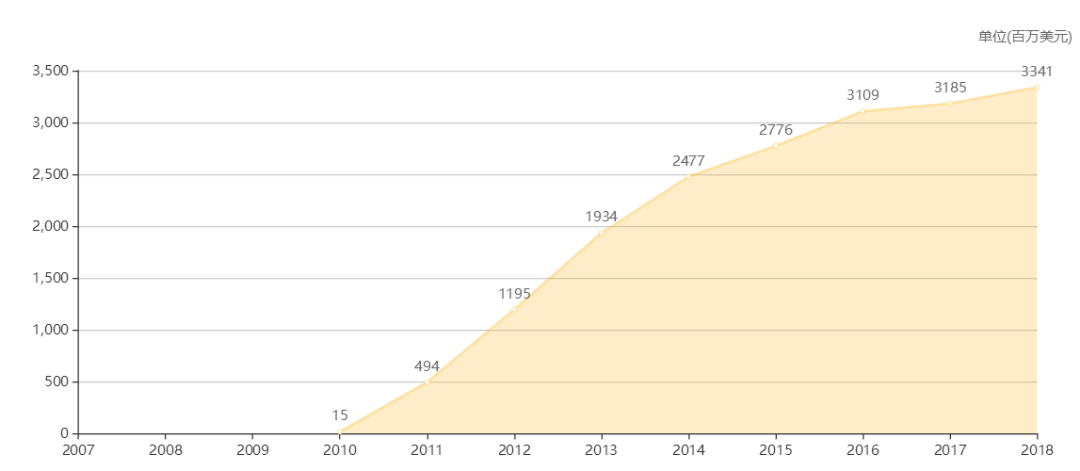
Siponimod is a selective modulator of sphingosine-1-phosphate receptors (S1PRs) and an upgraded version of Gilenya (fingolimod). Gilenya was first approved on September 21, 2010, for adult patients with relapsing forms of multiple sclerosis (MS), becoming the first oral therapy to reduce the frequency of MS relapses. On May 11, 2018, the indication for Gilenya was expanded to include children and adolescents aged 10 years and older with MS, making it the first medication approved for treating pediatric MS. Global sales of Gilenya reached a record high of $3.341 billion in 2018; however, the drug faced an FDA safety warning at the end of that year (see: Novartis’s Blockbuster Drug Fingolimod Receives FDA Warning, Discontinuation May Lead to Permanent Disability in Patients). Novartis has high expectations for siponimod, considering it a drug capable of challenging existing standard therapies, and even utilized a costly Priority Review Voucher when submitting its New Drug Application to the FDA.
Novartis Gilenya Global Sales
Source: NextPharma Global New Drug Database by PharmCube
Multiple Sclerosis (MS) is a chronic disease caused by the abnormal attack of the human immune system on the myelin sheaths of nerve cells in the brain, spinal cord, and optic nerves. It manifests as muscle weakness, fatigue, and visual difficulties, ultimately leading to disability. There are approximately 2.3 million MS patients worldwide, and currently, there is no complete cure.
Relapsing-Remitting Multiple Sclerosis (RRMS) is the most common form of MS, characterized by periodic relapses and remissions. Approximately 85% of patients are diagnosed with RRMS at initial diagnosis, while another 15% are diagnosed with Primary Progressive Multiple Sclerosis (PPMS), which is characterized by continuous symptom worsening without distinct remission periods. Over time, patients with RRMS will eventually progress to Secondary Progressive Multiple Sclerosis (SPMS), at which point their condition will continue to deteriorate progressively.
Roche’s ultra-long-acting ocrelizumab was approved in 2017 for patients with two types of multiple sclerosis (MS): relapsing-remitting MS (RRMS) and primary progressive MS (PPMS). However, there remained no available treatment for secondary progressive MS (SPMS). The approval and market launch of Novartis’ siponimod broke this deadlock, offering the potential to slow disease progression in SPMS patients. Paul Hudson, head of Novartis’ pharmaceutical division, believes that peak sales of siponimod will exceed $1 billion.