

Bayer's Large-Scale Observational Study RELOADED Confirms Safety and Efficacy of Xarelto (Rivaroxaban) in Stroke Prevention for Atrial Fibrillation Patients
Apr 30, 2019 15:04
CST Updated
15:04

Bayer
Pharmaceutical Product R&D Developer

April 30, 2019/BioValleyBIOON/--German pharmaceutical giantBayer(Bayer) Recently at the 85th Annual Congress of the German Cardiac Society (DGK)ConferencePublished results of the observational study RELOADED, which compared the anticoagulant Xarelto (rivaroxaban) with phenprocoumon, the most commonly used oral vitamin K antagonist (VKA) in Germany. The study showed that Xarelto had better efficacy and safety than phenprocoumon in patients with atrial fibrillation and chronic kidney disease. Improved renal preservation outcomes also indicated that non-vitamin K oral anticoagulants (NOACs), such as Xarelto, can preserve kidney function over time. Compared to VKAs, patients with chronic kidney disease treated with NOACs had a 73% lower relative risk of progressing to end-stage renal disease and thus requiring dialysis.
The use of NOACs is generally recommended for stroke prevention in patients with atrial fibrillationStrokeof care standards (referencing the 2016 ESC guidelines). However, there is a lack of data from routine clinical practice comparing NOACs and phenprocoumon, particularly in patients with renal impairment.。
This observational study, presented at the conference, analyzed anonymized German healthcare claims data from January 1, 2013, to June 30, 2017, compared outcomes among patients treated with different non-vitamin K antagonist oral anticoagulants (NOACs) or phenprocoumon, and confirmed favorable findings regarding the efficacy and safety of NOACs. Furthermore, compared with phenprocoumon, NOACs appeared to be associated with beneficial effects supporting the preservation of renal function over time.
In the RELOADED study, a total of 22,339 patients initiated treatment with Xarelto, of whom 5,121 had kidney disease; 23,552 patients initiated treatment with phenprocoumon, of whom 7,289 had kidney disease. Key exclusion criteria included valvular heart disease at baseline, cardiac valve surgery within 365 days prior to the index date, venous thromboembolism (VTE) in the quarter prior to or the same quarter as the index date, hip or knee replacement surgery within 60 days prior to the index date, pregnancy, end-stage renal disease (ESRD), and dialysis claims during the baseline period.
On average, the patient follow-up duration was 1.1 years. The results showed: (1) In the overall population, treatment with Xarelto reduced the risk of intracranial hemorrhage (ICH) by nearly half compared to phenprocoumon treatment (HR=0.57 [0.43–0.75]). (2) When analyzing the risk of fatal bleeding, a beneficial effect of Xarelto relative to phenprocoumon was also observed: a 28% reduction in risk in the overall population (HR=0.78 [0.6, 1.03]) and a 37% reduction in risk in the subgroup with renal impairment (HR=0.63 [0.42, 0.95]). (3)For ESRD/dialysis, NOACs demonstrated substantial benefits compared with phenprocoumon. Xarelto reduced the risk of ESRD/dialysis by 67% in the overall population (HR=0.34 [0.23, 0.51]) and by 73% in the subgroup with renal impairment (HR=0.27 [0.16, 0.43]). (4) For acute kidney injury, Xarelto also showed beneficial effects compared with phenprocoumon: reducing the risk by 19% in the overall population (HR=0.81 [0.66, 1.00]) and by 23% in the subgroup with renal impairment (HR=0.77 [0.58, 1.01]). In this study, such benefits for acute kidney injury were not observed with other NOACs analyzed.
To date, there have been no clinical practice data on renal function protection in patients with chronic kidney disease. Professor Hendrik Bonnemeier from the Department of Internal Medicine at Schleswig-Holstein University Hospital in Germany stated, “This study is the first to compare the efficacy and safety outcomes of different NOACs, including Xarelto, versus VKA-phenprocoumon in treating patients with atrial fibrillation and renal impairment. The results indicate that Xarelto has consistently demonstrated positive outcomes across a broad patient population in both real-world settings and clinical studies. Xarelto is effective in preventing stroke in patients with atrial fibrillation, including those with comorbidities such as renal failure.”Strokea valuable treatment option.”
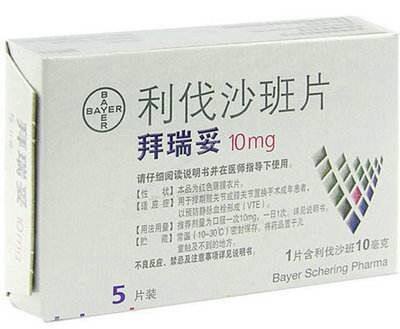
Compared with VKAs, the beneficial effect of Xarelto on maintaining renal function was first identified in a post hoc analysis of the Phase III ROCKET AF study. These findings were corroborated in 2017 by a retrospective analysis of data from a large US administrative database. The study found that, compared with warfarin, NOACs, including Xarelto, were associated with lower incidences of both chronic and acute kidney events. Vascular calcification affecting the kidneys is a potential side effect of VKA therapy, and current results further confirm the advantages of NOACs in this regard. This is also reflected in the latest US guidelines (AHA/ACC/HRS) for Xarelto and dabigatran.
Over the past two decades, atrial fibrillation has become one of the most serious public health issues and a major driver of rising national healthcare costs. Atrial fibrillation is often associated with complications such as heart disease and renal failure, and there is a close relationship between renal function and thromboembolic events in patients with non-valvular atrial fibrillation.
Xarelto is the most widely used non-vitamin K antagonist oral anticoagulant (NOAC) globally, with eight approved indications to date; however, indicated uses vary by country. Compared with other NOACs, Xarelto benefits a broad patient population by preventing various venous thromboembolism (VTE) and arterial thromboembolism (ATE) disorders.Xarelto, co-developed by Bayer and Johnson & Johnson, has been approved in more than 130 countries worldwide. In 2018, its sales reached $6.149 billion, representing a 9.02% increase from 2017 ($5.64 billion) (Bioon.com).
Original Source:Bayer