

Precision Scientific Files IPO Prospectus: Pioneering Data-Driven Translational Medicine in Precision Oncology
Precision Scientific
Multi-omics + Data Mining Drug Discovery Platform Provider
On an early spring evening in 2016, at a restaurant near the MD Anderson Cancer Center in Houston, USA, Dr. Ji Xuwo and Dr. Liang Han chatted over dinner, covering a wide range of topics.
At that time, Dr. Ji Xu’s professional identity was that of a biopharmaceutical investor. Previously, he had served as a top-tier analyst in the capital markets and as an Executive Director at UBS Securities, where he led the UBS healthcare team to win first place for “Best Analyst” and “Best Team” in Asia Money’s Asian Healthcare Investment rankings for two consecutive years, standing at the pinnacle of the field. Dr. Liang Han is the youngest full professor at MD Anderson Cancer Center, Deputy Chair of the Department of Bioinformatics and Computational Biology, and an internationally renowned expert in cancer omics.
“The third golden window of opportunity for the biopharmaceutical industry may be approaching.” Dr. Ji Xuwo’s remark left Dr. Liang Han deep in thought.
Alfred D. Chandler Jr., the preeminent historian of American business, provided incisive analysis of the pharmaceutical industry’s development in his book Shaping the Industrial Age. Over the 150-year history of the modern pharmaceutical industry, there have been only two “golden windows” for emerging pharmaceutical companies. The first occurred from the late 19th century to the early 20th century, when the maturation of modern chemical theory gave rise to major pharmaceutical firms such as Bayer, Roche, Pfizer, and Novartis (some names have changed due to mergers and acquisitions, but the core entities remain unchanged). The second took place from the late 1970s to the early 1980s, when advances in modern molecular biology technology propelled biopharmaceutical companies such as Amgen and Genentech onto the stage.
Dr. Ji noted that despite the emergence of some breakthrough new drugs in recent years, the pharmaceutical industry as a whole continues to grapple with low R&D efficiency and escalating costs. The so-called “Eroom’s Law,” which posited that it took 10 years and $1 billion to develop a new drug, has long become a thing of the past. The return on investment (ROI) for new drug development among large pharmaceutical companies has declined significantly, dropping from 10.1% in 2010 to 3.2% in 2017. Nevertheless, opportunities arise amidst challenges. When established paradigms fail to address real-world problems, it creates space for new technologies to demonstrate their value. Currently, major pharmaceutical companies are continuously increasing their investments in translational medicine and elevating “data-driven R&D” to a strategic priority.
Furthermore, omics technologies, represented by high-throughput sequencing, have reached a mature stage. The volume of accumulated data is now a thousand times greater than it was a decade ago and continues to grow at an exponential rate. With robust data mining capabilities, it is entirely feasible to assist pharmaceutical companies in enhancing R&D efficiency at a relatively low cost, thereby generating substantial value. In this field, several overseas startups have already garnered significant attention.
Dr. Ji believes that this change will ultimately drive an upgrade of the existing paradigm in new drug development, or even give rise to a new paradigm, thereby leading to another upsurge in the pharmaceutical industry’s growth. Dr. Liang Han immediately decided to join the new company Dr. Ji had registered a year earlier, becoming a co-founder; this also marked Dr. Liang’s first foray into the industry. Years later, Dr. Ji still recalled with excitement the moment he persuaded Dr. Liang: “We hit it off instantly. We already shared consistent judgments on many issues and held each other in high regard; we were just waiting for an opportunity to collaborate.”
The two PhDs’ new company is named Precision Scientific. On its official website, the company describes itself as dedicated to translational medicine in oncology, adhering to the philosophy of “data-driven R&D,” and leveraging robust bioinformatics, biostatistics, and multi-omics technologies to provide clients with in-depth and precise analyses. On one hand, Precision Scientific offers translational medicine services for new drug development to enhance success rates and shorten development cycles; on the other hand, it provides precise diagnostic services for cancer patients to assist in formulating personalized treatment plans.
Bioinformatics is central to Precision Scientific’s unique capabilities. In an interview with Health界 last year, Dr. Liang Han pointed out that bioinformatics analysis could become a catalyst for innovative cancer therapies, including cancer immunotherapy.
Dr. Liang’s career has been rooted in academia, spanning Peking University, Princeton University, the University of Chicago, and finally the MD Anderson Cancer Center, a premier institution for global cancer research. Over the past six years, he has published papers in top-tier academic journals such as Cell, Nature, and Science (CNS), accumulating a remarkable total Impact Factor of 1,800.
Dr. Liang Han’s deep involvement in the TCGA project constitutes a significant part of his research experience. TCGA, short for The Cancer Genome Atlas, is the most important global oncogenomics research initiative. It was jointly launched in late 2005 by the National Institutes of Health (NIH), through its National Cancer Institute (NCI) and National Human Genome Research Institute (NHGRI). Beyond genomics, TCGA encompasses multi-omics data, including epigenetics, transcriptomics, and proteomics, providing comprehensive “molecular characterizations” of over 20,000 samples across 33 cancer types. Its aim is to deepen the understanding of tumors through data mining, thereby advancing cancer diagnosis, treatment, and prevention strategies.
As Chair of the TCGA “Clinical and Predictive Science Group for Multiple Cancers,” Dr. Han Liang is one of the core scientists of the project. In 2018, CELL published a special issue dedicated to the TCGA project, in which Dr. Han Liang was invited to co-author a summary of TCGA’s achievements with Dr. Norman Sharpless, then Director of the National Cancer Institute (NCI) and later appointed Commissioner of the U.S. Food and Drug Administration (FDA) in 2019, and Dr. Carolyn Hutter, Director of the Division of Genomic Sciences at the National Human Genome Research Institute (NHGRI).
Dr. Liang is convinced that disease classification based on molecular characteristics and personalized treatment regimens are key to addressing cancer. Precision Scientific is committed to leveraging its bioinformatics capabilities to mine multi-dimensional data (including multi-omics and clinical information) to meet the specific needs of pharmaceutical companies, such as new target research, biomarker identification, innovative trial design, and statistical analysis.
“Data-driven, translational medicine, oncology”—these are the three key words defining Precision Scientific’s translational medicine CRO services for pharmaceutical companies. Dr. Ji has long focused on the pharmaceutical sector, particularly new drug development. From an investment perspective, the era of “high risk, high investment, and high return” in new drug development has passed. The reality is that R&D expenditures continue to rise, competition is intensifying, and new drug development faces severe challenges.
According to a Deloitte report, the return on investment (ROI) for global pharmaceutical giants in new drug R&D was only 3.2% in 2017, a shocking decline from 10.1% in 2010, with the cost of successfully launching a new drug rising to $1.992 billion.
Meanwhile, another crisis is taking shape in China. Due to changes in the policy environment, a massive influx of capital into R&D has directly led to “high-level redundancy” and “target clustering.” Globally, the top 10 targets account for 14% of innovative drug projects; in China, this proportion reaches 34%. The three most heavily targeted areas by Chinese pharmaceutical companies—VEGF/VEGFR, EGFR, and PD-1/PD-L1—have 98, 89, and 69 ongoing projects respectively, representing 57%, 60%, and 54% of the global project counts for each respective target. This landscape undoubtedly poses severe challenges for the clinical development, regulatory approval, and eventual commercialization of each therapeutic candidate.
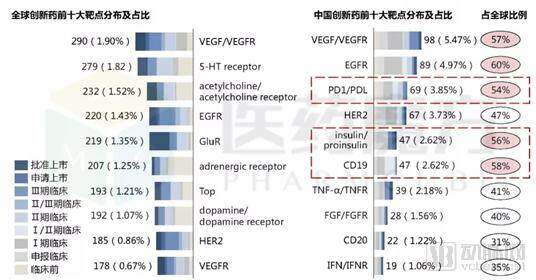
Data Source: PharmCube
Clearly, differentiation is the way forward. Currently, targets, biomarkers, indications, and combination regimens can all serve as focal points for pharmaceutical companies’ differentiation strategies. Taking the currently popular drug combinations as an example, a large number of combination regimens have emerged around immuno-oncology (IO) drugs, such as IO plus targeted therapy, IO plus chemotherapy, IO plus radiotherapy, and IO plus IO. However, combination regimens must be decisions based on research rather than simple random combinations. Similarly, research on biomarkers requires substantial and rigorous work to ensure that new drugs achieve optimal efficacy and reach the broadest applicable patient population. “These are all very practical needs.”
Dr. Ji Xu told VCBeat’s New Medicine that Precision Scientific leverages omics and bioinformatics analysis to provide decision-making support for pharmaceutical companies. In this process, technologies such as bioinformatics, multi-omics, real-world studies, and AI are poised to play significant roles—with the latter representing a core strength of the Precision Scientific team.
Specifically, Precision Scientific’s translational medicine services include exploratory research on novel targets, biomarker research and companion diagnostic product development, studies on drug resistance mechanisms, and exploration of combination therapy regimens.
Biomarker Research. As understanding of the biological basis of diseases deepens, biomarkers are playing an increasingly important role and becoming more complex in form. Leveraging its strengths in bioinformatics, Precision Scientific integrates multi-omics data from genomics, epigenomics, transcriptomics, and proteomics to provide solutions for biomarker research in drug development, further meeting pharmaceutical companies’ needs for developing companion diagnostic products.
Research on Resistance Mechanisms and Combination Drug Regimens. Drug resistance represents one of the greatest challenges in oncology treatment, and combination therapy is a critical strategy for combating tumor drug resistance and achieving long-term disease control. Resistance is associated with intra-tumor heterogeneity (ITH) and tumor evolution.
In reality, resistance-associated heterogeneity exists not only at the genomic level but also across multiple levels, including epigenetics, transcriptomics, proteomics, and the tumor microenvironment. Precision Scientific offers customized, comprehensive research solutions on tumor drug resistance mechanisms for clients (pharmaceutical companies and research institutions). By analyzing multi-omics data in conjunction with tumor evolutionary dynamics models, we provide clearer insights for combination therapy strategies, thereby expanding the beneficiary population and exploring new indications.
“Based on our in-depth understanding of tumors, we are committed to supporting pharmaceutical companies in their translational medicine research, helping them launch new drugs faster and more efficiently, with better efficacy and smoother approval processes,” said Dr. Ji Xuwo. “On this basis, we look forward to collaborating with pharmaceutical companies to develop more suitable companion diagnostic products, and even personalized therapeutic products, such as personalized cell therapies or therapeutic vaccines.”
Currently, there are numerous clinical testing products for tumors on the market. However, Dr. Ji Xuwu believes that there is significant room for improvement in this category. “Among these, three key issues stand out: clinical value, differentiation, and product evaluation.”
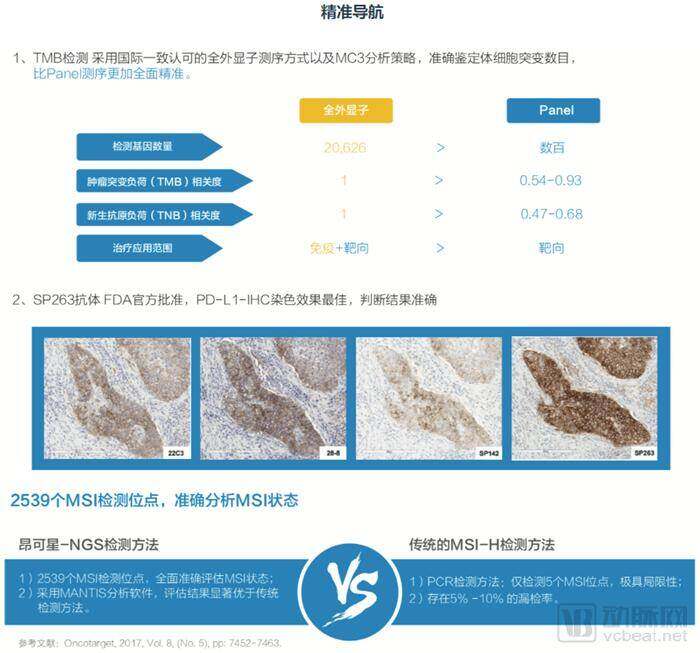
First is the demand for clinical value, meaning that diagnostic products should meet urgent clinical needs, and the test results should provide tangible benefits to both patients and physicians. Second is the demand for differentiation. Currently, there is severe homogenization among marketed clinical diagnostic products. Taking lung cancer indications as an example, NGS-based panels testing dozens to hundreds of genes account for half of all marketed genetic testing products, shifting the primary competition to the sales level. Finally, there is the demand for product evaluation. Many current products lack internal or external assessments. Using Tumor Mutational Burden (TMB) as an example, after Precision Scientific pioneered TMB testing in China, many other companies followed suit. However, there are still no established evaluation standards for assessing the discrepancies between different products and the gold standard (exome-based), nor for understanding how these discrepancies impact treatment regimens. This clearly hinders product optimization.
Dr. Ji Xu pointed out that, constrained by analytical capabilities, many clinical testing products fail to deeply mine information from tumor samples and do not adequately address clinical needs. In light of this, the Precision Scientific team has developed multiple products grounded in clinical requirements, striving to maximize their advantages in bioinformatics.
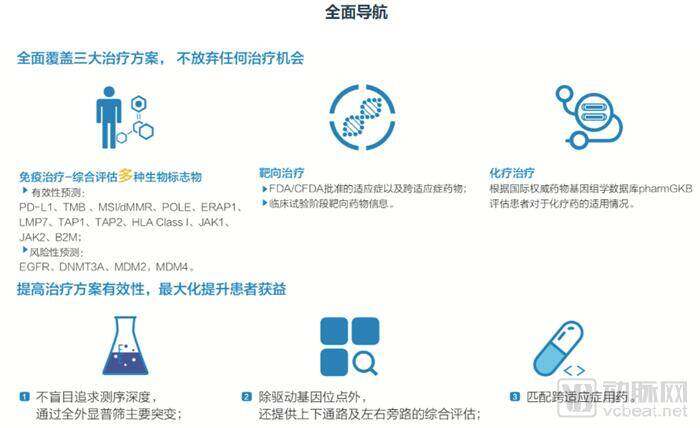
For example, “Angkexing,” the first multi-omics clinical testing product in China to integrate genomic (whole-exome), transcriptomic, and protein biomarker data, comprehensively addresses the needs for precision medication in tumor immunotherapy, targeted therapy, and chemotherapy. Its goal is to assist physicians and cancer patients in identifying available therapeutic options to the greatest extent possible, while achieving gold-standard performance for tumor immunotherapy-related indicators such as TMB and TNB.
For another example, under the guidance of clinical experts in gynecologic oncology, Precision Scientific has also launched the “OncoD” series of products, primarily designed for precision medication for patients with gynecologic cancers (as well as breast cancer).
In 2018, Precision Scientific completed a Series A financing round of tens of millions of yuan, led by Chende Capital, injecting strong momentum into the company’s development. Dr. Ji Xuwu’s career path has consistently defied expectations, transitioning from a Ph.D. in bioinformatics to a star analyst and investor, and finally to an entrepreneur.
“Analysis is ‘knowing,’ investing requires ‘doing,’ and entrepreneurship demands the unity of knowledge and action.” Entrepreneurship is a long journey; analysis can help you see the direction clearly, but the greater challenges lie in execution and strategic resolve.
First is strategic direction. “Most investors are more risk-averse than they realize,” Dr. Ji remarked with a smile. Consequently, guided by capital, entrepreneurs tend to favor startup projects with “relatively clear” prospects, while often shying away from those with well-defined directions but unpredictable timelines.
“Timing is crucial; we place significant emphasis on the ‘time window for industrial implementation.’ However, for projects with the right strategic direction, the key is to seize this time window rather than striving for precise predictions of specific timing. In our view, the window of opportunity has already arrived. It is safe to say that global pharmaceutical companies are embracing digital-driven translational medicine. The demand is clear, growing rapidly year by year, and this trend is reflected in the expansion of our business scale,” pointed out Dr. Ji. “As for specific timing—for instance, predicting how much budget a particular company would allocate to ‘data-driven translational medicine’ in 2019—such forecasts are both difficult and meaningless. People tend to overestimate changes within one year while underestimating those over five years.”
Dr. Ji Xu firmly believes in his judgment that data-driven translational medicine and data-driven new drug development represent the major trend of the future. “Many people have recognized this broad direction, but knowing is easy while doing is hard. Whether one takes action poses a test for both entrepreneurs and investors. Just as everyone in the secondary market talks about ‘value investing,’ yet there is only one Warren Buffett.” Dr. Ji emphasized, “If my investment career has taught me anything, it is to have faith in trends. Do the right thing, move toward the light, and your horizons will naturally broaden.”
Next comes tactics. “In business, we must remain laser-focused and avoid overextension.” Currently, Precision Scientific is the leading brand in precision medicine for gynecologic oncology, a position it continues to strengthen. For instance, the company recently partnered with Peking Union Medical College Hospital to jointly advance the “Study on Homologous Recombination Deficiency (HRD) Status in the Chinese Population with Epithelial Ovarian Cancer,” the first large-scale HRD study in China. In recent years, PARP inhibitors have achieved breakthrough progress in cancer treatment, with their efficacy closely correlated with HRD status.
However, there is currently no HRD database for Chinese cancer patients, making it impossible to establish a predictive model for PARP inhibitor usage in the Chinese population. “This project reflects our approach: first, focusing on gynecologic tumors; second, linking findings to medication use; and third, adhering to high-quality data. This study encompasses comprehensive patient information, not just genetic data. Only with high-quality, complete data can valuable information mining become possible.”
Currently, Precision Scientific has assembled a technical team centered around top-tier international scientists. Its members hail from leading research institutions and universities both in China and abroad, attracting talent from multinational pharmaceutical companies as well as prestigious organizations such as the MD Anderson Cancer Center, Johns Hopkins University, and Peking University. Before the broader industry fully recognizes this transformative trend, Dr. Ji Xuwu hopes that Precision Scientific will be well-prepared. “Our business model and philosophy sometimes appear highly forward-looking within China; at present, only leading pharmaceutical companies recognize our value. However, we are firmly convinced that the era of ‘data-driven translational medicine’ becoming mainstream is just around the corner.”