

In-Depth Interview with Dr. Song Xiaodong, VP of Hengrun Dasheng: Opportunities and Challenges in China's Cell Therapy Landscape
Apr 28, 2018 14:48
CST Updated
14:48

Hrain Biotechnology
Developer of Tumor Immunotherapy Technology R&D
2017NovartisThe CAR-T cell therapies from Kite were approved for marketing in the United States in August and October, respectively, marking a significant breakthrough in cell therapy over the past two years.
Cell therapy development has currently entered the fast lane; however, industry peers still face a long and arduous journey in addressing the industrialization of CAR-T therapy and the challenges of using CAR-T to treat solid tumors. Many are closely watching when Chinese cell therapy products will be approved for market launch, and what further opportunities for development and breakthroughs remain for cell therapy in China. Coinciding with this, MedSci’s affiliated websiteBio ValleyThe 10th Cell Therapy Conference (May 16–19, 2019, Shanghai), thisMeetingFocusing on the latest research trends and advancements in cell therapy, centering on market approval, clinical regulation of cell therapies, treatment standards, cell therapy safety, and novel cell therapy technologies,TumorImmune checkpoint inhibitors,Stem CellsDiscussions on hot topics such as transplantation therapy, gene editing and cell therapy, and manufacturing processes for cell therapy products.
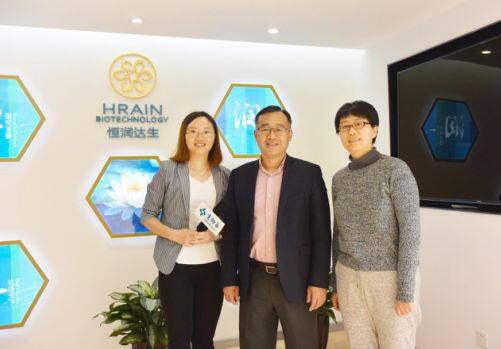
(China) Dr. Song Xiaodong
Recently, BioValley interviewed Dr. Song Xiaodong, Vice President of Shanghai Hengrun Dasheng Biotechnology Co., Ltd. Dr. Song shared his insights on current hot topics in the field of cell therapy:
Current Bottlenecks and Strategies in the Development of CAR-T Cell Therapy
In recent years, CAR-T cell therapy has achieved leapfrog development and holds tremendous potential; however, certain bottlenecks remain in its technological advancement and industrial development.
First, there are technical bottlenecks; CAR-T in lymphoma,Leukemia, significant progress has been made in the treatment of hematologic malignancies such as multiple myeloma and acute myeloid leukemia; however, some patients experience relapse after CAR-T therapy, so current efforts are focused on exploring whether second-generation or more effective therapies targeting hematologicTumorCAR-T products to address this issue.
Another technical bottleneck lies in the treatment of solid tumors, for which CAR-T therapy currently lacks effective approaches. In fact, the top 10 most prevalent cancers in China are all solid tumors. The key to developing CAR-T therapies targeting solid tumors is to identify targeted and specific antigens, as well as to overcomeTumormicroenvironment. These are the technical bottlenecks that need to be overcome in the development of cell therapy.
The second challenge is an industrial bottleneck, namely, how to bring CAR-T products to market. Currently, no CAR-T products have been launched in China. As CAR-T companies, we all hope to commercialize our products, as this is essential for the long-term development of our businesses. However, within China’s regulatory framework, it remains unclear what form the commercialization of CAR-T therapies will take—whether they will be approved and marketed as pharmaceutical drugs or as medical technologies. Domestic enterprises and research institutions engaged in CAR-T development are currently observing and contemplating the future path toward industrialization. In contrast, the approach abroad is well-established, with CAR-T therapies being marketed as pharmaceutical products. Our company is also closely monitoring the situation, hoping that a clear and favorable direction for the commercialization of CAR-T products will emerge in China.
China’s CAR-T Cell Therapy Leads Internationally
Apart from the United States, the development of CAR-T therapy in other countries and regions lags behind China, both in terms of quantity and in depth and breadth. China is often referred to as a major pharmaceutical country, but never as a pharmaceutical powerhouse. However, with its entry into the field of cell therapy and CAR-T, some developed nations are now looking to import related products and technologies from China. Therefore, for these countries, Chinese CAR-T products hold significant promise. Through collaboration and conducting clinical trials in these nations, we can bring benefits to their cancer patients.
However, research on CAR-T therapy in the United States is still more advanced than ours; theirBasic ResearchThe depth and breadth of their clinical research still surpass ours. While we have likely surpassed the United States in the sheer number of CAR-T clinical trials, they still outperform us in terms of research depth, the diversity of therapeutic targets investigated, and the conduct of multicenter studies.
R&D Directions and Cost Advantages of CAR-T Cell Therapy in China
CAR-T cell production typically utilizes retroviral or lentiviral vectors. Currently, some companies are adopting non-viral manufacturing processes, which offer numerous advantages. These novel approaches warrant collaborative discussion among peers in China.
Currently, the quality of our company’s CAR-T products is on par with those manufactured in the United States. However, through corresponding cost-control strategies, Shanghai Hengrun Dasheng Biotechnology Co., Ltd. can achieve even lower production costs. This constitutes our competitive advantage and serves as a key driver for many countries to engage in cooperation discussions with us.
First, cost control in manufacturing processes. While automated production can reduce human errors, the increased use of consumables associated with automation may also raise costs. After discussion, our company has decided to ultimately move towards automation. However, this should not be automation for its own sake; rather, it must add significant value, thereby impacting the final price of our products.
Second is the cost control in virus production, Shanghai Hengrun Dasheng Biotechnology Co., Ltd.'s virusProduction ProcessThis has laid a solid foundation for industrialization. We have established a three-tiered virus-producing cell bank system through stable transfection, comprising a Master Cell Bank (MCB), a Working Cell Bank (WCB), and an End-of-Production Cell Bank. Consequently, the key steps in virus production were completed during the R&D phase. For commercial manufacturing, it is only necessary to retrieve a vial of virus-producing cells from the Working Cell Bank, followed by thawing, recovery, and expansion, to supply enough material for approximately 300 patients. Our cell bank system can support the viral supply needs throughout the entire product lifecycle. This approach minimizes virus production costs and ensures batch-to-batch consistency, thereby establishing a robust foundation for the industrialization of our product.
Future Directions and Challenges in the Industrialization of Cell Therapy
As a novel therapeutic modality, cell therapy differs from traditional small-molecule drugs and large-molecule biologics; consequently, its industrialization follows a distinct pathway. The manufacturing of cell therapy products is personalized/autologous in nature, with each batch intended for a single patient, posing a significant challenge to scalable industrial production.
Another critical factor is pricing. The two CAR-T products currently marketed in the United States are prohibitively expensive, rendering them unaffordable for Chinese patients. Consequently, domestic CAR-T cell therapy companies face significant pressure in commercialization: they must not only meet international quality standards but also offer prices substantially lower than those in foreign markets. Therefore, it is imperative to reduce investment in drug costs by strictly controlling expenses related to production, testing, batch release, and logistics. Only through such cost containment can we ensure that these highly effective therapies remain accessible and affordable to all patients. Addressing these challenges is essential for the successful industrialization of cell therapy.
Furthermore, as cellular therapies, how can they be effectively regulated as pharmaceutical products? As a living cell therapy, CAR-T is distinct from small-molecule chemical drugs. How to regulate their quality, particularly by implementing robust safety controls to ensure patient safety, is a topic that requires collective discussion within the cell therapy industry. Exploring approaches to deliver greater therapeutic efficacy for patients on the foundation of safety remains a direction we must continuously pursue.
About Shanghai Hengrun Dasheng Biotechnology Co., Ltd. and Dr. Song Xiaodong
Shanghai Hengrun Dasheng Biotechnology Co., Ltd.’s Phase I clinical study of anti-human CD19 T-cell injection (CD19 CAR-T cells) for the treatment of relapsed/refractory CD19-positive diffuse large B-cell lymphoma and follicular lymphoma has completed the enrollment of the first patient and mononuclear cell collection at Zhongshan Hospital Affiliated to Fudan University, marking the first new drug registration trial of CAR-T cell therapy for lymphoma initiated in China.Clinical Trials(IND) Study.
Dr. Song Xiaodong currently serves as the Deputy General Manager of Shanghai Hengrun Dasheng Biotechnology Co., Ltd., overseeing the company’s R&D, clinical operations, patents, regulatory affairs, manufacturing, quality control, business development, and project management departments. Dr. Song is currently leading his team in actively preparing for CAR-T initiatives in China, the United States, Europe, and the Middle East.Clinical Trialslaunch efforts, contributing to the global promotion of independently developed CAR-T therapies and fostering technological cooperation under the Belt and Road Initiative. Dr. Song earned his Ph.D. in Medicinal Chemistry from the University of Louisiana in 1996 and completed postdoctoral training in biochemistry at Olin Corporation in Connecticut, USA. (Bioon.com)