

First-in-Class Lupus Nephritis Drug! Roche’s Gazyva (Obinutuzumab) Achieves Success in Phase II Trial for Proliferative Lupus Nephritis
Jun 12, 2019 13:12
CST Updated
13:12

Roche
Oncology Drug Research, Development, and Manufacturing
June 12, 2019 News /BioValleyBIOON/ -- Genentech, a subsidiary of the Swiss pharmaceutical giant Roche, recently announced that the Phase II NOBILITY study (NCT05250652) evaluating Gazyva (obinutuzumab) for the treatment of lupus nephritis had met its primary endpoint.
This study was a randomized, double-blind, placebo-controlled, multicenter Phase II trial that enrolled a total of 126 adult patients diagnosed with Class III or IV proliferative lupus nephritis according to the International Society of Nephrology/Renal Pathology Society (ISN/RPS) classification criteria for lupus nephritis (2003). The study evaluated the efficacy and safety of Gazyva versus placebo, each in combination with standard of care (mycophenolate mofetil [MMF] or mycophenolic acid [MPA], plus corticosteroids). Patients were randomized to receive infusions of Gazyva or placebo on Days 1, 15, 168, and 182. The primary endpoint was the proportion of patients achieving protocol-defined complete renal response (CRR) at Week 52 of treatment.
The results demonstrated that the study met its primary endpoint: at Week 52 of treatment, a higher proportion of patients in the Gazyva group achieved complete renal response (CRR) compared with the placebo group when administered in combination with standard-of-care therapy (mycophenolate mofetil [MMF] or mycophenolic acid [MPA], plus corticosteroids). Furthermore, compared with the placebo group, the Gazyva group showed improvements in overall renal response (complete plus partial renal response) and serological markers of disease activity, thereby meeting the key secondary endpoints of the study. No new safety signals for Gazyva were observed in the study at the time of data analysis. The full results of the study will be presented at a future medicalMeetingpublished above.
Dr. Sandra Horning, Roche’s Chief Medical Officer and Global Head of Product Development, stated: “Currently, there is no U.S.-approvedFDATherapies approved for the treatment of lupus nephritis, a condition in which patients face a high risk of progressing to end-stage renal disease or death. For over a decade, we have been investigating potential treatments for lupus nephritis and have synthesized key lessons learned from our experience in studying this disease. We are encouraged by the results of the NOBILITY study, which demonstrated that Gazyva combined with standard of care achieved statistically significant improvements in complete renal response, overall renal response, and other measures of disease activity, supporting the potential of Gazyva plus standard of care as a new treatment option for patients with lupus nephritis.
Lupus nephritis refers to systemicLupus Erythematosus(SLE) is a disease characterized by immune-mediated damage to both kidneys with different pathological types, accompanied by significant clinical manifestations of renal impairment. Its pathogenesis is associated with immune abnormalities such as the formation of immune complexes, immune cells, and cytokines. Lupus nephritis is a severe and potentially life-threatening condition; proliferative lupus nephritis is the most severe type, associated with the highest risk of end-stage renal disease and death.
It is estimated that there are 1.5 million lupus patients in the United States, with approximately 70% of cases being systemic lupus erythematosus (SLE). Up to 60% of SLE patients develop lupus nephritis, and as many as 25% progress to end-stage renal disease. Currently, there is no cure for lupus or lupus nephritis.
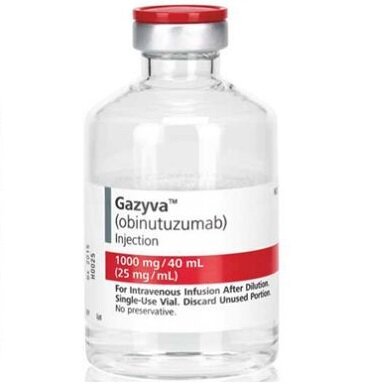
Gazyva is the first glycosylated type II anti-CD20 monoclonal antibody. CD20 is a protein found only on specific types of B cells. Gazyva is believed to work by directly attacking target cells and by engaging the body’s immune system. To date, Gazyva has been approved for use in chronic lymphocyticLeukemiatreatment of patients with chronic lymphocytic leukemia (CLL) and follicular lymphoma (FL).
In the United States, Gazyva was co-developed by Genentech and Biogen, and both parties are evaluating Gazyva in combination with other approved or investigational drugs for the treatment of a range of hematologic malignancies.Tumor. (Bioon.com)