

FDA Grants Priority Review to Roche’s Rituxan for First Pediatric Indication in Two Rare Vasculitides
Jun 13, 2019 09:46
CST Updated
09:46

Roche
Oncology Drug Research, Development, and Manufacturing

FDA
U.S. Food and Drug Administration
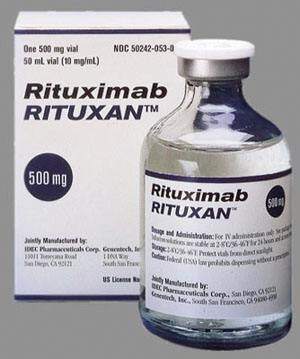
June 13, 2019 /BioValleyBIOON/ -- Swiss pharmaceutical giant Roche recently announced that the U.S. Food and Drug Administration (FDA) has accepted a supplemental Biologics License Application (sBLA) for Rituxan (MabThera; generic name: rituximab) and granted it priority review. This sBLA seeks approval for Rituxan in combination with glucocorticoids (GCC) for the treatment of granulomatosis with polyangiitis (GPA) and microscopic polyangiitis (MPA) in children aged 2 years and older.
Rituxan is a therapeutic monoclonal antibody that targets and binds to the CD20 antigen on the surface of both normal and malignant B cells, subsequently mobilizing the body’s natural defenses to attack and destroy the marked B cells. To date, Rituxan has been approved for the treatment of four adult indicationsAutoimmunitySexually transmitted diseases, including: classRheumatoid Arthritis(RA), GPA, MPA, and pemphigus vulgaris (PV). If this sBLA is approved, it will become the first pediatric indication for Rituxan.
GPA and MPA are two rare forms of vasculitis, and currently there are no FDA-approved drugs for the treatment of pediatric patients with GPA or MPA. For adult patients with GPA and MPA, Rituxan in combination with GCC is the only approvedFDAApproved Treatment Regimen.
Granulomatosis with polyangiitis (GPA) and microscopic polyangiitis (MPA) are two types of ANCA-associated vasculitis (AAV). AAV is a form of vasculitis that primarily affects small blood vessels. Generally, both GPA and MPA involve the small blood vessels of the kidneys, lungs, sinuses, and various other organs; however, the impact of these diseases can vary among individual patients. Both GPA and MPA are considered rare diseases, with an estimated global prevalence of 23–160 cases per million population. Pediatric-onset cases of GPA and MPA are even rarer and are associated with severe, potentially life-threatening symptoms.
This sBLA is based on data from the PePRS study, the first global study evaluating Rituxan for the treatment of pediatric patients with GPA or MPA. This was a global, open-label, single-arm, Phase IIa study that enrolled 25 patients aged 6–17 years with severe, newly diagnosed or relapsing active GPA or MPA, to assess the safety, pharmacodynamics/pharmacokinetics, and exploratory efficacy of Rituxan in combination with a glucocorticoid (GCC) regimen.
Dr. Sandra Horning, Chief Medical Officer and Global Head of Product Development at Roche, stated, “We are committed to providing new treatment options for rare diseases, such as pediatric GPA and MP, for which there are currently no approved therapies. We will continue to work withFDAwork closely to bring the first treatment options to children suffering from these two serious and potentially life-threatening diseases.”(Bioon.com)