

He Yuan Bio Announces IPO Filing: Committed to Developing Safe, Effective, and Accessible Immune Cell Therapies Guided by Clinical Needs

Juventas
Innovative Cell Therapy Drug Developer
A century ago, the average human life expectancy was no more than 35 years. During this period, people successfully raised the average life expectancy to over 70 years by increasing the supply of agricultural and sideline products and through the use of antibiotics. A hundred years later, while medical advancements have freed most parts of the world from the threats of major infectious diseases such as tuberculosis and malaria, human health continues to face challenges.
Due to its insidious onset, propensity for metastasis, and short survival period, cancer has become the most intractable challenge facing the medical, industrial, and academic communities. Most existing therapies can only prolong survival, with some pessimists even arguing that humanity will not conquer cancer within the next 100 years. However, the emergence of CAR-T therapy has made the cure of cancer seem possible.
Over nine years, CAR-T therapy has transitioned from the laboratory to commercialization, with products from Novartis and Kite Pharma receiving sequential approvals. Currently, 750 clinical trials are underway worldwide. While there is a broad consensus on the desire for widespread clinical adoption of this therapeutic class, its application in clinical practice continues to face challenges due to constraints such as high costs and manufacturing complexities.
At the inaugural Scientific Advisory Committee Cell Therapy Symposium organized by Juventas, these issues also became a key focus of expert discussions. Centering on the problems and challenges facing the research and development of immune cell therapies, participating experts offered numerous highly valuable opinions and recommendations in areas such as basic research, pharmacology and toxicology studies, process development and manufacturing, clinical trial design, and regulatory registration. The experts and guests who attended this symposium included:
Professor Wang Jianxiang (Institute of Hematology & Blood Diseases Hospital, Chinese Academy of Medical Sciences)
Dr. Wang Gang (Vice President of WuXi Biologics, Former Senior Policy Advisor at the U.S. FDA, Former Chief Scientist at China’s CDE)
Professor Wang Pin (University of Southern California, USA)
Professor Wang Min (Institute of Hematology & Blood Diseases Hospital, Chinese Academy of Medical Sciences)
Mr. Lan Baoshi (Biotechnology and Pharmacy Working Committee of the Central Committee of the Chinese Peasants and Workers Democratic Party)
Professor Delong Liu (New York Medical College, USA)
Ms. Yunxia Sun (Beijing Joinn Laboratories Co., Ltd.)
Professor Qiu Lugui (Institute of Hematology & Blood Diseases Hospital, Chinese Academy of Medical Sciences)
Professor Song Yongping (Henan Cancer Hospital)
Dr. Shuyuan Yao (WuXi AppTec Wuxi Shengji Pharmaceutical Technology Co., Ltd.)
Dr. Yi Yao (Former FDA Clinical Reviewer)

Juventas is a novel biotechnology company focused on the research and development of innovative immune cell therapies, dedicated to creating safe, effective, and accessible immune cell therapy products to benefit patients as early and broadly as possible. With the continuous advancement of international basic research and clinical applications of CAR-T cell therapy, along with the ongoing improvement of domestic registration regulations, Juventas is actively accelerating the clinical registration of its immune cell therapy products and strategically laying out its future R&D pipeline.
Developing Safe, Effective, and Affordable Immune Cell Therapy Products
When it comes to the industrialization of CAR-T therapy, pricing is an unavoidable topic. Novartis’s Kymriah is priced at $475,000, and Gilead’s Yescarta at $373,000. Even excluding hospitalization costs, the price of CAR-T cell therapy remains prohibitive for most people.
“Costs must be reduced to make CAR-T therapy affordable for the majority of patients, a challenge that the industry will continue to face,” stated Dr. He Wei Wu, Chairman of Juventas.
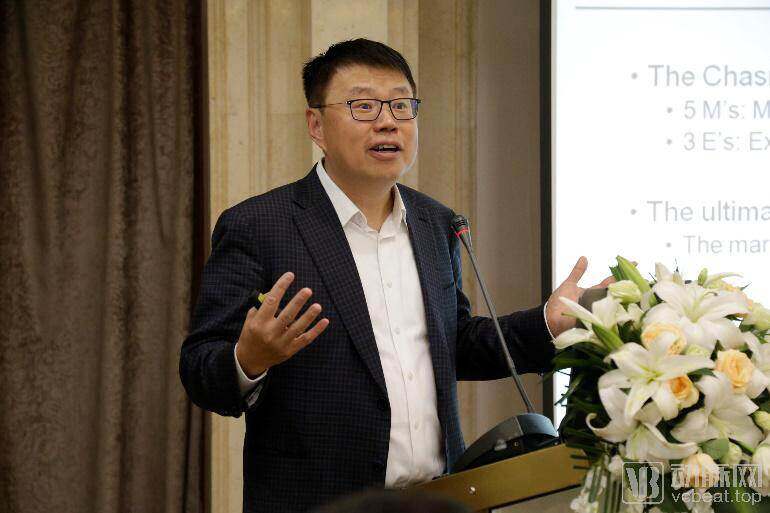
Dr. He Wei, Chairman of Juventas
In Dr. He Weiwei’s view, research findings on CAR-T cell therapy have already demonstrated exceptional safety and clinical efficacy, with “price” posing the greatest challenge for immune cell therapy companies. This is also a critical issue that Juventas aims to address. Dr. He Weiwei hopes that Juventas will deliver immune cell therapy products to Chinese patients that offer high therapeutic efficacy at low cost. He emphasized, “Drug development is a protracted endeavor; one must be determined, prepared to run a marathon, and uphold unwavering conviction.”
High-quality products stem from robust basic scientific research, which serves as a critical foundation for quality assurance, particularly in the field of oncology. Breakthroughs in science and technology drive advancements in treatment paradigms and therapeutic efficacy, ultimately delivering superior care to patients. The Institute of Hematology & Blood Diseases Hospital, Chinese Academy of Medical Sciences, is a leader in basic research and clinical treatment of hematologic malignancies, with numerous pioneering contributions to the field.
Immunotherapies, exemplified by CAR-T cell therapy, will become a crucial tool in cancer treatment. He Weibo emphasized that Juventas will center on patient benefit as its core value, strengthen corporate operational management, enhance communication and collaboration with government and drug regulatory authorities, and foster multi-party cooperation to ultimately ensure that Chinese patients have access to safe, efficacious, and affordable immunocellular therapeutic agents.
Clinical Need-Driven Development of an Innovative R&D Pipeline
The annual incidence of non-Hodgkin lymphoma (NHL) in China is approximately 3.76 per 100,000 people, while that of acute lymphoblastic leukemia (ALL) is about 0.67 per 100,000. These patients are typically treated with chemotherapy or combination drug therapies; however, for those with relapsed or refractory ALL and NHL, it remains clinically challenging to identify effective treatment options. The emergence of CAR-T cell immunotherapy, a breakthrough therapeutic approach, has brought hope for survival and cure to these patients.

Dr. Lü Lulu, CEO of Juventas
Dr. Lu Lulu, CEO of Juventas, introduced that the company has established an industrialization model with CAR-T cell therapy as its entry point, while also driving the continuous development of subsequent products. Its primary objective is to accelerate the market launch of its first product, CNCT19, thereby translating the scientific research achievements of the Institute of Hematology and Blood Diseases Hospital (Institute of Hematology), Chinese Academy of Medical Sciences, into commercial products to benefit more patients. In the future, Juventas will build an innovative R&D pipeline leveraging a model of independent and collaborative research and development.
CD19 CAR-T (CNCT19) is a key product in Juventas’ Phase I pipeline. Professor Wang Jianxiang from the Chinese Academy of Medical Sciences (Institute of Hematology & Blood Diseases Hospital) provided a detailed overview of the research background and development journey of CD19 CAR-T (CNCT19) at the Institute of Hematology. Based on the mechanism by which leukemia cells activate T cells, he elaborated on the multi-year research process undertaken by the Institute, ranging from the independent development of anti-CD19 specific single-chain antibodies, to the internationally pioneering application of these antibodies to modify leukemia cells for T-cell activation, and finally to the engineering of T cells (i.e., CD19 CAR-T cells) to target and kill leukemia cells.

Professor Wang Jianxiang, Institute of Hematology & Blood Diseases Hospital, Chinese Academy of Medical Sciences
Professor Wang Jianxiang pointed out that the selection and application of antibodies are indispensable in the research and development of CAR-T therapy. The Institute of Hematology is one of the earliest research institutions to employ antibody-based labeling techniques for leukemia cells. Among more than 200 leukemia-related antibodies independently developed by the Institute, the anti-CD19 single-chain antibody stands out as one of the most prominent. CD19 CAR-T (CNCT19) is a CD19-targeted CAR-T cell therapy developed using this antibody, demonstrating superior tumor-killing efficacy in both in vitro and animal studies.
Building on this foundation, the Institute of Hematology initiated exploratory clinical studies of CD19 CAR-T (CNCT19) for acute lymphoblastic leukemia (ALL) and non-Hodgkin lymphoma (NHL) in 2016. The clinical results demonstrated favorable safety and efficacy profiles, comparable to previously published international data. In October 2018, China’s Center for Drug Evaluation (CDE) formally accepted the new drug application for CNCT19. Professor Wang Jianxiang emphasized that CNCT19 is an independently developed Chinese CD19 CAR-T cell therapy, expressing his hope that multi-party collaboration will accelerate the translation of this achievement into clinical practice, thereby benefiting patients at the earliest possible time.
Currently, research and development of CAR-T cell therapy are accelerating worldwide. The latest statistics from 2019 show that there are 750 clinical trial registries for CAR-T therapies under investigation, with China and the United States accounting for nearly 70% of the total. For the first time, China’s industrialization of cell therapy has had the opportunity to start at an internationally high-level baseline.
CAR-T Cell Therapy Research: A Global CompetitionJuventas will continuously optimize product manufacturing processes and establish product standards to ensure consistent product quality and reduce pricing. The company will also enhance its global competitiveness through team building and technological development.
“This is a valuable opportunity bestowed by history. We should make every effort to accelerate the industrialization process and achieve a historic leapfrog for China in the field of immune cell therapy,” said Lu Lulu.
It is understood that, in addition to CD19 CAR-T cell therapy, Juventas has multiple multi-target products under development, including sPD-1/CD19 CAR-T and CD19/CD22 bispecific CAR-T dual-target products.
Not a Solo Performance: Industrializing Immune Cell Therapy Requires Collaborative Efforts
Professor Liu Delong from New York Medical College in the United States pointed out, “Immune cell therapy is currently a hot topic in global research, with new targets, technologies, and processes continuously emerging.” He provided an outlook on the future development prospects and directions of CAR-T cell therapy, and elaborated from the perspective of clinicians on how to develop CAR-T cells into products that truly meet clinical needs, as well as considerations for cost control.
Finally, Mr. Gong Hongjia analyzed the general trends in new drug development both domestically and internationally from an investor’s perspective. He pointed out that over the past few decades, China’s economy has developed rapidly, with scientific and technological advancements across various fields continuously reaching the forefront; future developments and changes will be beyond imagination. Mr. Gong believes that the ultimate goal pursued by the company is to develop immune cell therapy products that are highly effective, affordably priced, and accessible to the general public. However, achieving this goal cannot rely solely on corporate R&D efforts; it requires the participation of scientists, business executives, and relevant stakeholders from all sectors, as well as the integration of resources from all parties.
As Dr. He Wei aptly stated, the development of immune cell therapy products is not a solo performance by one individual, but rather a symphony that requires multi-party collaboration to perform together.