



On June 26, Boehringer Ingelheim/Eli Lilly announced that the FDA granted Fast Track designation to empagliflozin (an SGLT-2 inhibitor) for reducing the risk of cardiovascular death and hospitalization due to heart failure in patients with chronic heart failure.
Fast Track designation primarily targets serious conditions with unmet clinical needs, accelerating the development of relevant drugs to provide patients with novel or superior treatment options as soon as possible. Upon entering the Fast Track program, applicants gain increased opportunities for communication with the FDA, receive more written feedback from the FDA on aspects such as clinical trial design and biomarker selection, may submit portions of their New Drug Application (NDA) or Biologics License Application (BLA) on a rolling basis, and may qualify for Priority Review if criteria are met.
The FDA granted empagliflozin Fast Track designation primarily based on the ongoing EMPEROR program. The EMPEROR program comprises two Phase III studies, coded EMPEROR-Reduced and EMPEROR-Preserved, which evaluate the efficacy of empagliflozin in reducing cardiovascular death and heart failure hospitalization in patients with chronic heart failure with reduced ejection fraction and preserved ejection fraction, respectively.
Mohamed Eid, Head of Clinical Development and Medical Affairs at Boehringer Ingelheim, stated, “Heart failure is the ninth leading cause of death and one of the primary causes of hospitalization in the United States; however, current treatment options for this life-threatening condition are very limited. The FDA’s granting of Fast Track designation for empagliflozin represents a significant milestone. We look forward to close communication with the FDA and hope that empagliflozin will improve survival outcomes for patients with chronic heart failure.”
Heart failure is a serious condition characterized by insufficient cardiac pumping function. The five-year mortality rate among patients with heart failure approaches 50%, and their quality of life declines sharply due to limited physical activity. There are approximately 26 million heart failure patients worldwide, with about 6.5 million in the United States, and the prevalence continues to rise.
The EMPEROR program enrolled a total of more than 8,500 patients with chronic heart failure, with the primary endpoints being reduction in the risk of cardiovascular death and heart failure hospitalization, and was expected to be completed in 2020. The EMPEROR program is only part of the overall heart failure development plan for empagliflozin. On March 6, 2018, Boehringer Ingelheim and Eli Lilly expanded the clinical development program of empagliflozin in chronic heart failure by launching the EMPERIAL clinical trial, which aims to evaluate the effects of empagliflozin on exercise capacity (assessed by the 6-minute walk distance) and symptoms in patients with chronic heart failure with preserved or reduced ejection fraction, regardless of diabetes status.
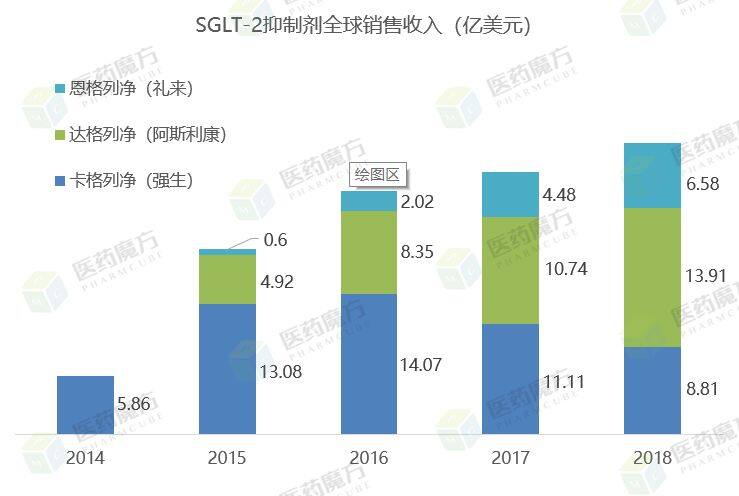
Empagliflozin is an SGLT-2 inhibitor that was initially approved to improve glycemic control in patients with type 2 diabetes in conjunction with exercise and diet. Subsequently, its label was expanded based on the landmark EMPA-REG OUTCOME study to reduce the risk of cardiovascular death in adults with type 2 diabetes and established cardiovascular disease.
It was precisely because the EMPA-REG OUTCOME study found that empagliflozin could reduce the risk of hospitalization for heart failure by 35% in patients with diabetes that Boehringer Ingelheim/Eli Lilly began developing empagliflozin for indications in patients with heart failure.