

Targovax ASA Announces Promising Phase I/II Data of ONCOS-102 in Combination with Keytruda for Anti-PD-1 Refractory Melanoma
Jul 09, 2019 11:42
CST Updated
11:42

Targovax
Immuno-Oncology R&D Developer

MSD
Pharmaceutical R&D and Manufacturer
July 09, 2019/BioonBIOON/--Targovax ASA is a clinical-stage biotechnology company focused on developing oncolytic virus therapies for refractory solid tumors. Recently, the company announced an evaluation of the oncolytic virus ONCOS-102 (Ad5/3-D24-GM-CSF) in combination with Merck Sharp & Dohme AGTumorImmunotherapy with Keytruda (Pembrolizumab) for Advanced Anti-PD-1 Checkpoint Inhibitor (CPI)-Refractory CasesMelanomaThe clinical study yielded encouraging efficacy data.
Patients enrolled in this study had advanced, unresectable disease that progressed after treatment with anti-PD-1 checkpoint inhibitors (CPIs).MelanomaPatients—this is a particularly challenging patient population with few alternative treatment options. In the first part of the study, 9 patients received three doses during the first week.TumorIntratumoral injection of ONCOS-102, followed by treatment with Keytruda. The primary and secondary endpoints of the study were to evaluate the safety, immune activation, and clinical response of the combination therapy of ONCOS-102 and Keytruda. The primary scientific objective was to test the hypothesis that ONCOS-102 can induce immune activation in patients resistant to anti-PD-1 therapy, thereby enabling a response to retreatment with anti-PD-1 checkpoint inhibitors (CPIs).
Safety data from Part 1 of the study indicate that the sequential ONCOS-102 and Keytruda regimen is well tolerated, with highly encouraging efficacy. Among the nine patients treated with the combination of ONCOS-102 and Keytruda, three achieved clinical response, including one complete response (CR) and two partial responses (PR), resulting in an overall response rate (ORR) of 33%.Despite the small patient population, these results demonstrate a clear advantage in this refractory cohort compared with other exploratory immunotherapy trials. Importantly, these data also confirm the hypothesis that ONCOS-102 can induce immune activation in drug-resistant cases.Tumor, thereby responding to retreatment with an anti-PD-1 CPI.
ONCOS-102 was also observed to induce robust innate and adaptive immune activation. By week three, prior to the initiation of Keytruda treatment, systemic increases in pro-inflammatory cytokines (IL-6, TNFα, and/or IFNγ) were observed in all nine patients, demonstrating potent systemic immune activation in response to intratumoral ONCOS-102 injection. At the tumor level, eight of the nine patients exhibited increased CD8+ T-cell infiltration, and all nine patients showed increased relative levels of activated CD8+ T cells (GrzB+). Increased T-cell infiltration was also observed in lesions not injected with ONCOS-102. Furthermore, T-cell-recognized specific tumor antigens (MAGE-A1 and/or NY-ESO-1) were detected in the circulation of four patients. These data indicate that the initial innate immune activation was successfully translated into systemic anti-TumorImmune response.
Part 2 of the study is currently enrolling patients; this part will evaluate the safety and efficacy of a more intensive treatment regimen (12 intratumoral injections of ONCOS-102).

Structure and Mechanism of Action of ONCOS-102
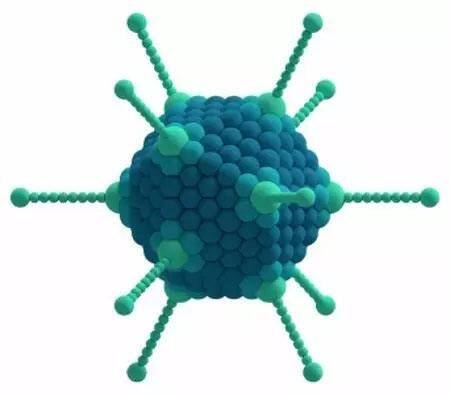
ONCOS-102 is a genetically modified oncolytic adenovirus that selectively infects cancer cells and replicates within them, and has been shown to activate the immune system to generate tumor-specific immune responses. Its mechanism of action consists of three steps: (1) Immune system activation: The oncolytic virus is injected directly into the tumor, infecting cancer cells and releasing cancer-specific antigens; (2) T cell priming: Antigen-presenting cells (APCs) present specific antigens in the lymph nodes, generating tumor-specific T cells; (3) Cancer attack:TumorSpecific T cells circulate in the body, identify lesion sites, and kill cancer cells.
In Phase I clinical studies, ONCOS-102 was able to simultaneously induce local and systemic innate and adaptive immune activation, which was associated with clinical benefit. Currently, ONCOS-102 is being developed forMelanoma, Mesothelioma and Other RefractoryTumortreatment.
Dr. Alexander Shoushtari of Memorial Sloan Kettering Cancer Center in New York, the principal investigator of this study, stated, “In this difficult-to-treat advancedMelanoma“The clinical remissions observed in the patient population are highly encouraging. Earlier this year, we decided to expand the trial scope to test an intensified ONCOS-102 regimen, aiming to determine whether this approach could elicit progressively deeper clinical responses.”
Dr. Magnus Jäderberg, Chief Medical Officer of Targovax, stated, “We are pleased that the results from the first part of this study confirm our hypothesis that ONCOS-102 has the potential to enable patients resistant to immune checkpoint inhibitors to respond to Keytruda’s PD-1 blockade. Promising clinical responses, including complete responses, were observed after only three injections of ONCOS-102, which is rare in this severely affected patient population. Based on our current experience, we hypothesize that patients will benefit from receiving additional intratumoral injections of ONCOS-102 over a longer period, and we will closely monitor the effects of the intensified dosing regimen in the second part of the study.”(Bioon.com)