

Merck’s KEYTRUDA (Pembrolizumab) Six-Week Dosing Schedule Under FDA Review for Six Cancer Indications
Jul 10, 2019 10:04
CST Updated
10:04

MSD
Pharmaceutical R&D and Manufacturer

FDA
U.S. Food and Drug Administration
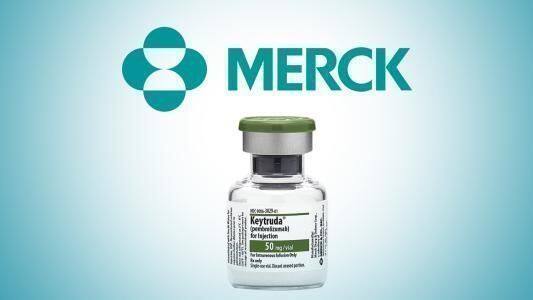
July 10, 2019/Bio ValleyBIOON/--Tumor immunotherapy giant Merck & Co. recently announced that the U.S. Food and Drug Administration (FDA) has accepted six supplemental biologics license applications (sBLAs) to update the dosing frequency of Keytruda (pembrolizumab), incorporating a once-every-six-weeks (Q6W) dosing regimen, specifically: 400 mg administered via intravenous infusion once every six weeks, with an infusion duration of no less than 30 minutes, for six indications of KeytrudaTumorIndications——Melanoma, classical Hodgkin lymphoma, primary mediastinal large B-cell lymphoma, gastric cancer, hepatocellular carcinoma, Merkel cell carcinoma.FDAThe Prescription Drug User Fee Act (PDUFA) target dates for these six sBLAs have been set for February 18, 2020.
Currently, the dosing regimen for Keytruda is 200 mg every 3 weeks (Q3W, intravenous infusion over no less than 30 minutes). If approved, the Q6W regimen would offer patients a more convenient treatment option, with reduced dosing frequency, benefiting both patients andTumorprovides physicians with greater treatment flexibility.
In the European Union, the Keytruda 400 mg Q6W dosing regimen was approved on March 28, 2019, for all approved monotherapy indications, covering fiveTumoreight indications of the type, including: non-small cell lung cancer (NSCLC),Melanoma, bladder cancer, head and neck cancer, classical Hodgkin lymphoma.
Dr. Scot Ebbinghaus, Vice President of Clinical Research at MSD Research Laboratories, stated: “We are committed to improving cancer care, which includes ensuring that patients have flexible dosing options to reduce the time they spend receiving treatment. If approved, the every-six-weeks dosing regimen will provide greater flexibility for physicians and patients in treating various types of cancer, including”Melanoma. We look forward to collaborating with later this yearFDAcollaboration, submit an sBLA for additional Keytruda dosing regimens.”

PD-(L)1TumorImmunotherapy Sales Forecast (Source: EvaluatePharma)
Keytruda is an anti-PD-1 tumor immunotherapy that helps detect and combat tumor cells by enhancing the capability of the human immune system. Keytruda is a humanized monoclonal antibody that blocks the interaction between PD-1 and its ligands, PD-L1 and PD-L2, thereby activatingTumorT lymphocytes of cells and healthy cells.
PD-(L)1 immunotherapy is a currently highly regarded class of cancer immunotherapy, aiming to utilize the body's own immune system to combat cancer by blocking the PD-1/PD-L1 signaling pathway, leading to cancer cell death, and has the potential to treat various typesTumorpotential.
As of now, there are 9 PD-(L)1 inhibitors available globally.TumorImmunotherapies approved, respectively: MSD’s Keytruda (targeting PD-1), Bristol Myers Squibb’s Opdivo (targeting PD-1), Roche’s Tecentriq (targeting PD-L1),AstraZenecaImfinzi (targeting PD-L1),Pfizer/Merck Bavencio (target: PD-L1), Sanofi/Regeneron Libtayo (target: PD-1), Junshi Biosciences Tuoyi® (toripalimab, target: PD-1), Innovent Biologics/Eli LillyTyvyt® (sintilimab, PD-1 inhibitor) and Hengrui Medicine’s Airuote® (SHR-1210, camrelizumab, PD-1 inhibitor). Among these nine drugs, four (Keytruda, Opdivo, Tuoyi®, and Tyvyt®) have already been marketed in China.
MSD boasts the largest immunology portfolio in the industryTumorClinical Research Projects. Currently, there are over 1,000Clinical TrialsKeytruda is being studied in various cancer and treatment settings. This project aims to understand the role of Keytruda in cancer therapy and identify factors that predict which patients are likely to benefit from Keytruda treatment, including exploring several differentBiomarkersThis June, MSD held its first Investor Day in five years.MeetingIt is expected that the number of indications approved for Keytruda will more than double in the next five years. (Bioon.com)