

Breast cancer is hailed as the "number one killer" of modern women. According to estimates by the World Health Organization, approximately 1.2 million women worldwide are diagnosed with breast cancer each year, and 700,000 women die from it. Although breast cancer screening helps in the early detection of the disease, about 10% of patients already have locally advanced or metastatic breast cancer at the time of diagnosis.
Treatment of metastatic breast cancer is challenging. In addition to surgery for in situ carcinoma and adjuvant radiotherapy, most patients also receive multiple lines of chemotherapy, hormonal therapy, or targeted drug therapy. Chemotherapeutic agents used in the treatment of metastatic breast cancer are generally categorized into several types: microtubule inhibitors (taxanes, vinca alkaloids, and epothilones), anthracyclines, and antimetabolites such as gemcitabine and fluorouracil.
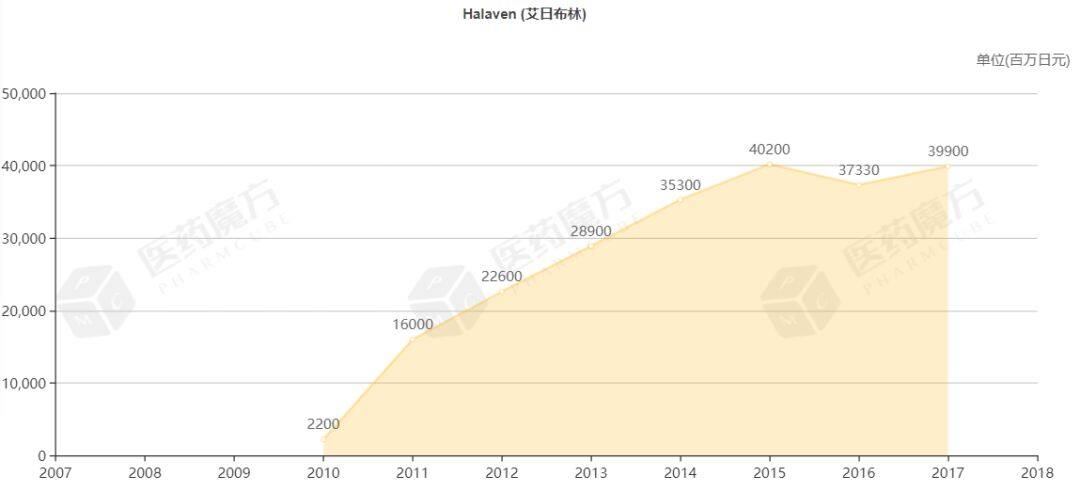
For patients with metastatic breast cancer, although these chemotherapy drugs can initially produce certain therapeutic effects, patients typically develop resistance to them. On November 15, 2010, Eisai Co., Ltd.'s new breast cancer drug, eribulin mesylate, received FDA approval for market launch, providing a new treatment option for patients with metastatic breast cancer. In 2017, sales of eribulin reached 39.9 billion yen.
Eribulin was originally derived from halichondrin B, a compound isolated from marine organisms, through structural modification. It exerts its therapeutic effect by directly binding to tubulin to inhibit mitosis, thereby suppressing cancer cell growth through the inhibition of microtubule polymerization.
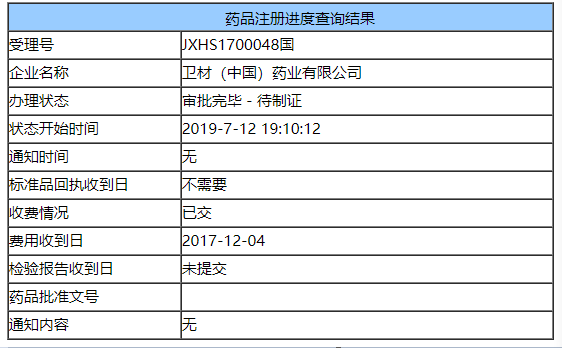
On July 12, 2019, Eisai's marketing application for eribulin mesylate (JXHS1700048) submitted in China was approved for market launch by the National Medical Products Administration (NMPA).
Eribulin contains 19 chiral centers in its molecular structure, and its synthesis involves a lengthy 62-step process. To date, eribulin is still regarded by the industry as the most structurally complex non-peptide drug produced via pure chemical synthesis, often hailed as the "Mount Everest" of synthetic chemistry.
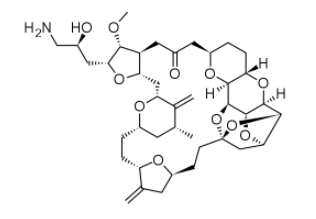
Eribulin
This is evident from the zero declarations filed by domestic pharmaceutical companies. On June 19, 2019, the compound patent for eribulin expired. As for the future, which domestic enterprises will be the first to scale the “Mount Everest” of chemical drug synthesis and successfully achieve industrialized production of eribulin? Only time will tell.