Neuralink Unveils Brain-Computer Interface System: Direct Neural Chip Integration with Laser-Assisted Craniotomy

Neuralink
Brain-Computer Interface System Developer
TMTPost Note:This article is from a WeChat official account.Qubit(ID: QbitAI), authored by Qian Ming, Bian Ce, Yu Yang, and Li Zi; published by TMTPost with authorization.
Just now, Musk announced that an efficient method for achieving brain-computer interfaces has been found.
At the just-concluded press conference, Musk could barely contain his excitement, even breaking into laughter at one point.

Neuralink, founded in 2017. Its goal is to develop ultra-high-bandwidth brain-computer interface systems to achieve coexistence with artificial intelligence.
Now, Musk has taken a major step forward toward this grand goal.
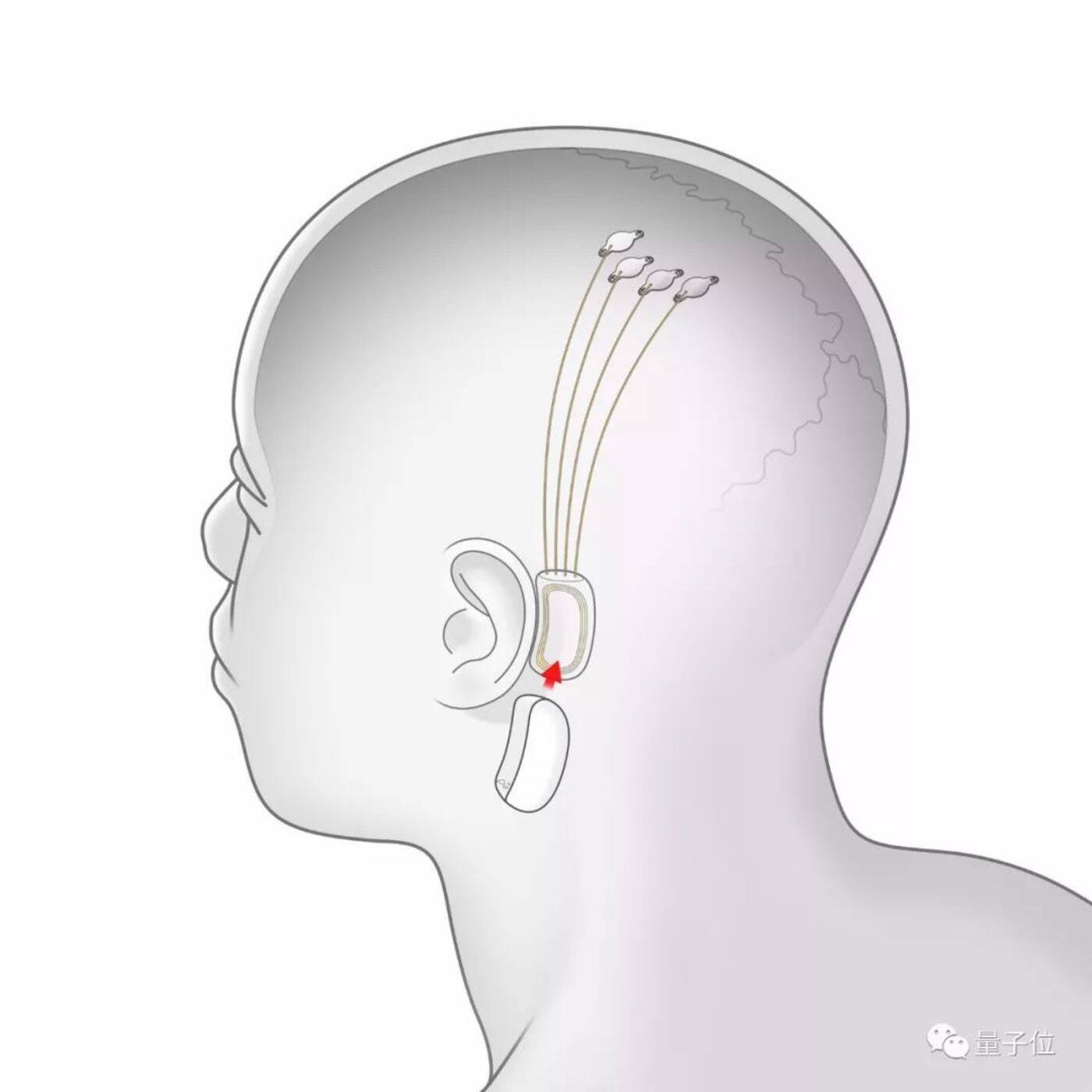
Connects and Interacts with iPhone
The entire method consists of three core components.
First, the "threads," with a diameter of 4–6 micrometers, are much thinner than a human hair (approximately 75 micrometers).
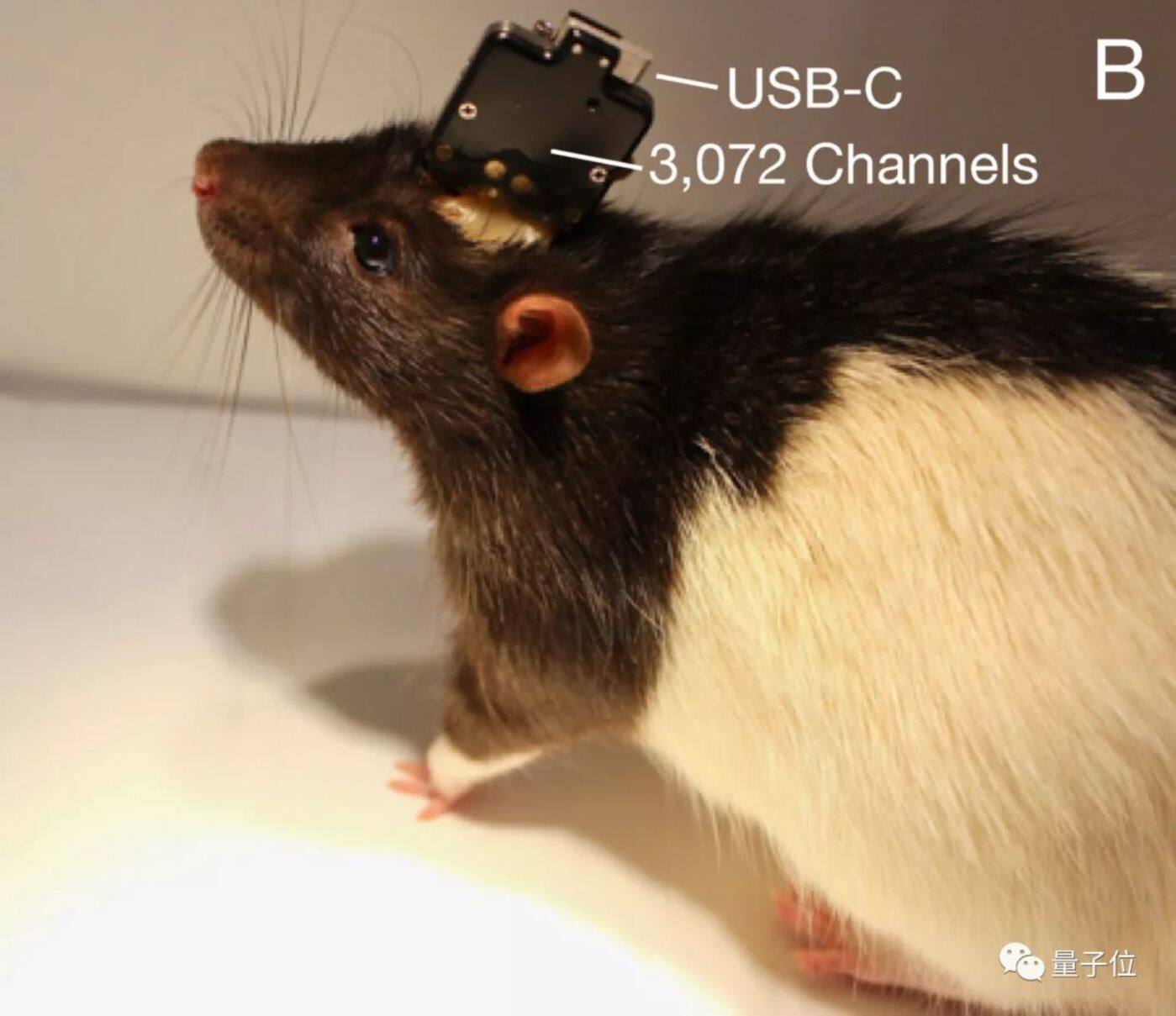
Compared with materials used in other brain-computer interfaces, it not only causes less damage to the brain but also enables the transmission of more data. Each array, distributed across 96 threads, can contain up to 3,072 electrodes.
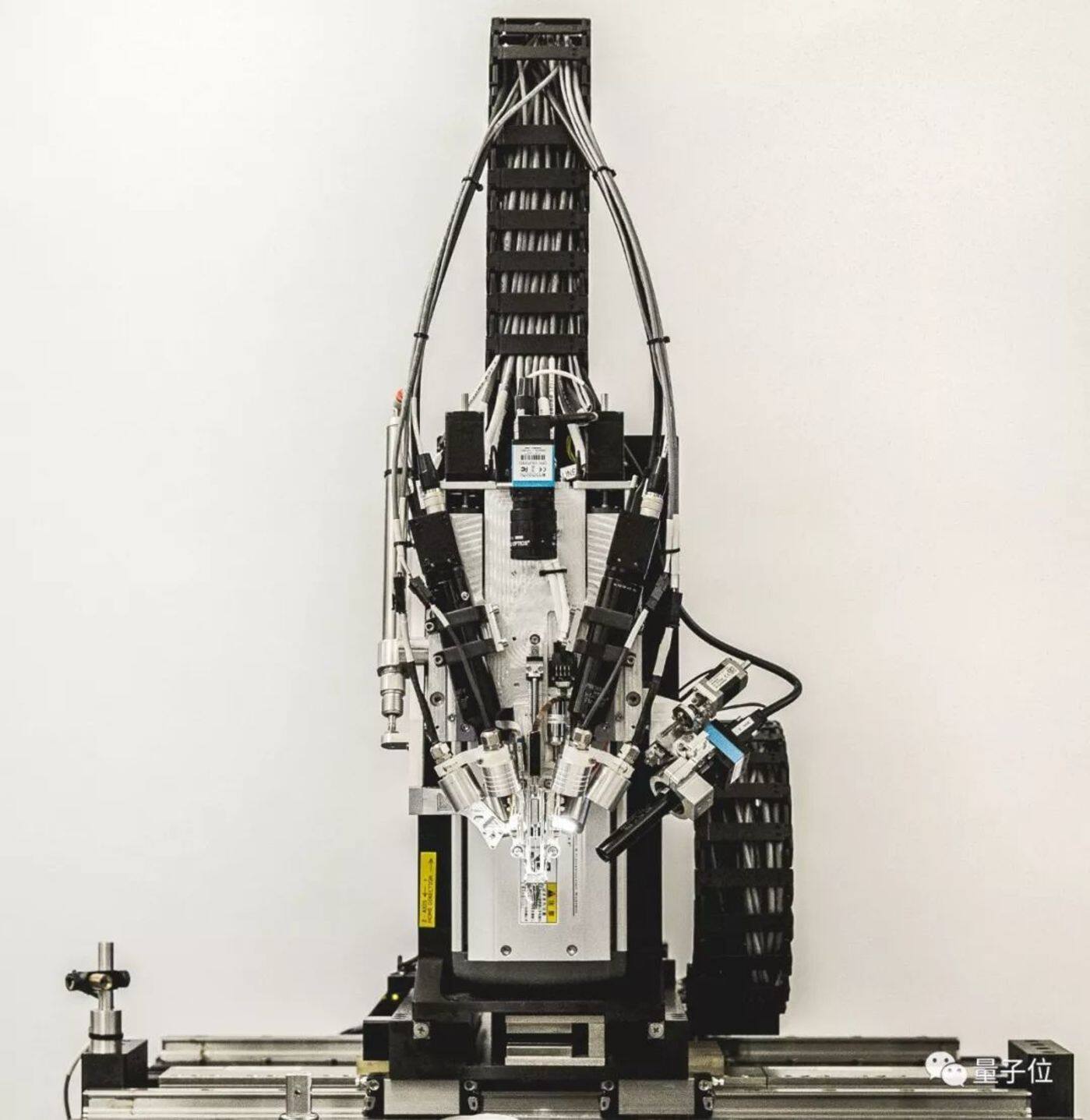
The second is the “suturing machine.” This neurosurgical robot can implant six threads per minute. The entire process closely resembles that of a sewing machine.
Third, Neuralink has also developed a custom chip to better read, clean, and amplify signals from the brain.
Neuralink’s experiments in mice have shown that the current collected through a USB-C port on the head is approximately 10 times greater than that provided by the best sensors currently available.
Neuralink plans to conduct human trials in the second quarter of next year.
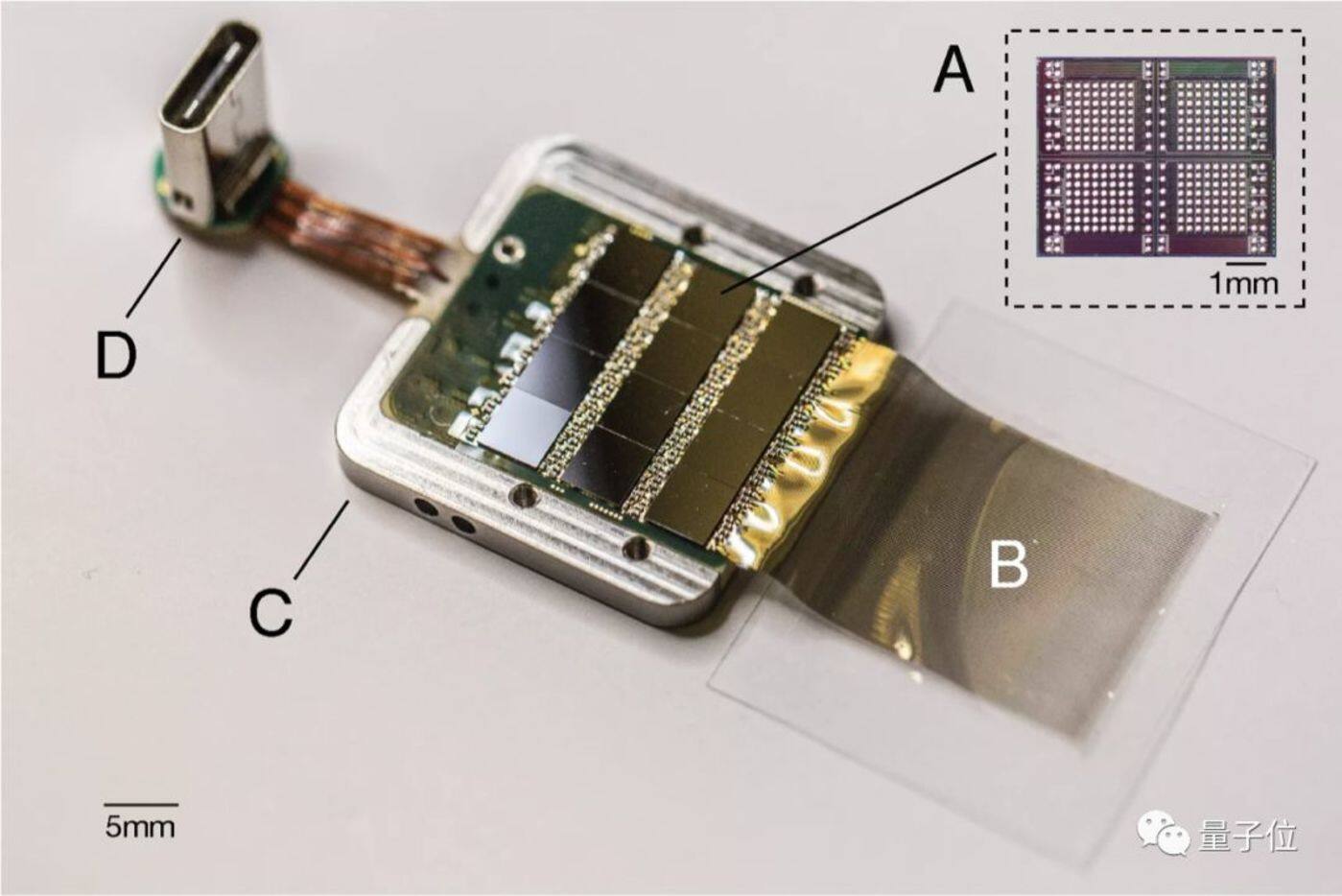
Current experiments in mice can only transmit data via wired connections.
However, Neuralink stated that their ultimate goal is to incorporate a wireless system, which has now been integrated into the “N1 sensor” product, with a chip smaller than the tip of a finger.
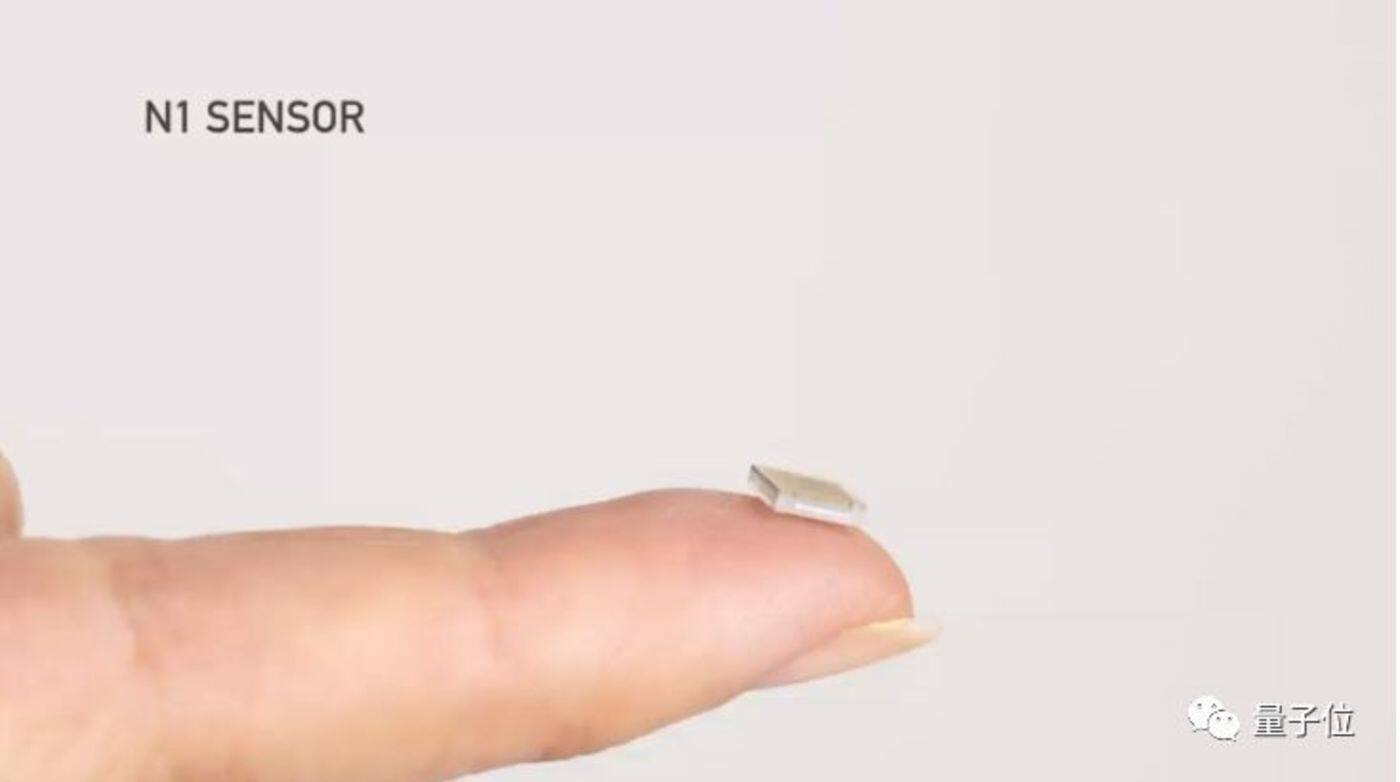
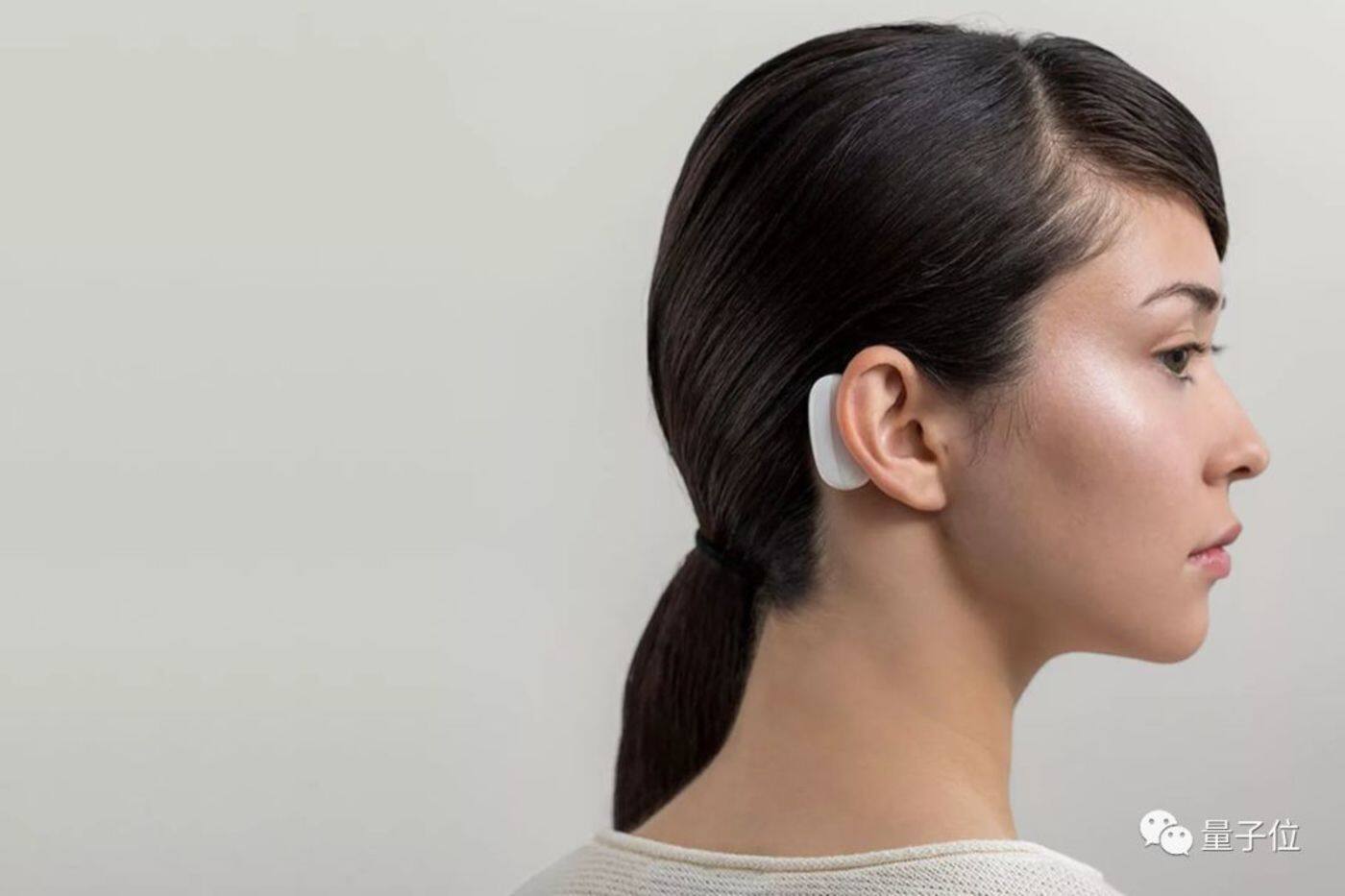
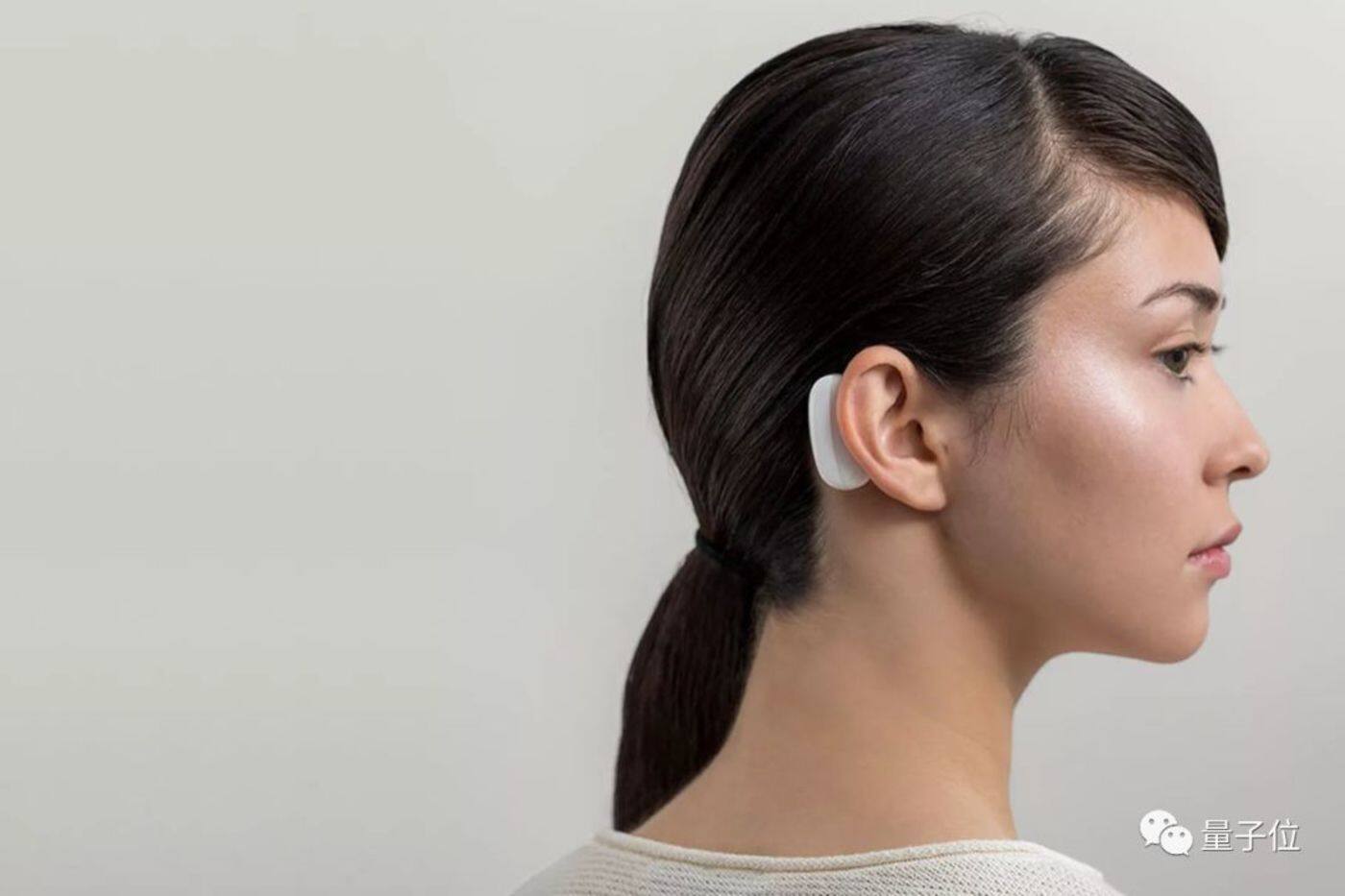
Neuralink’s plan involves implanting four sensors, with three located in the motor area and one in the sensory area. The only external device, installed behind the ear, houses a battery.
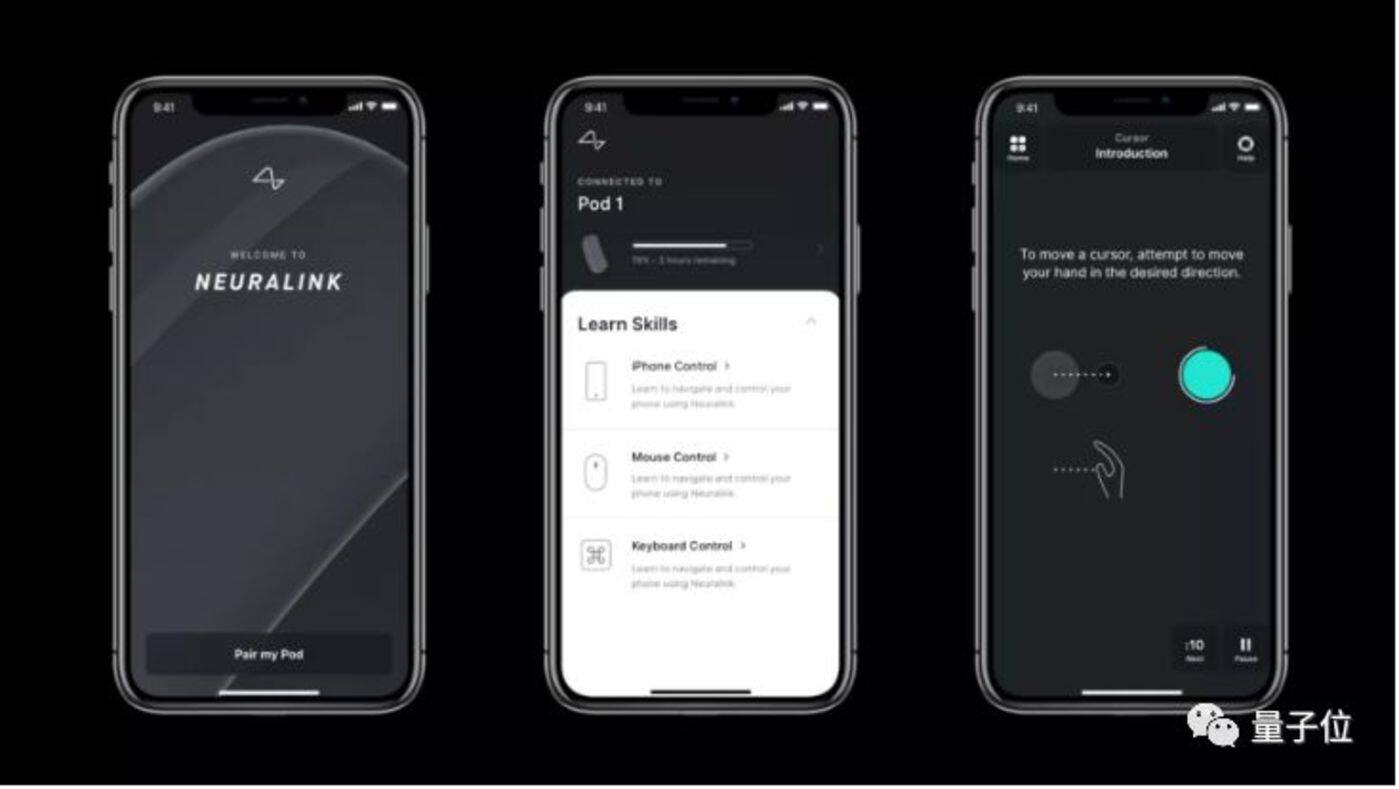
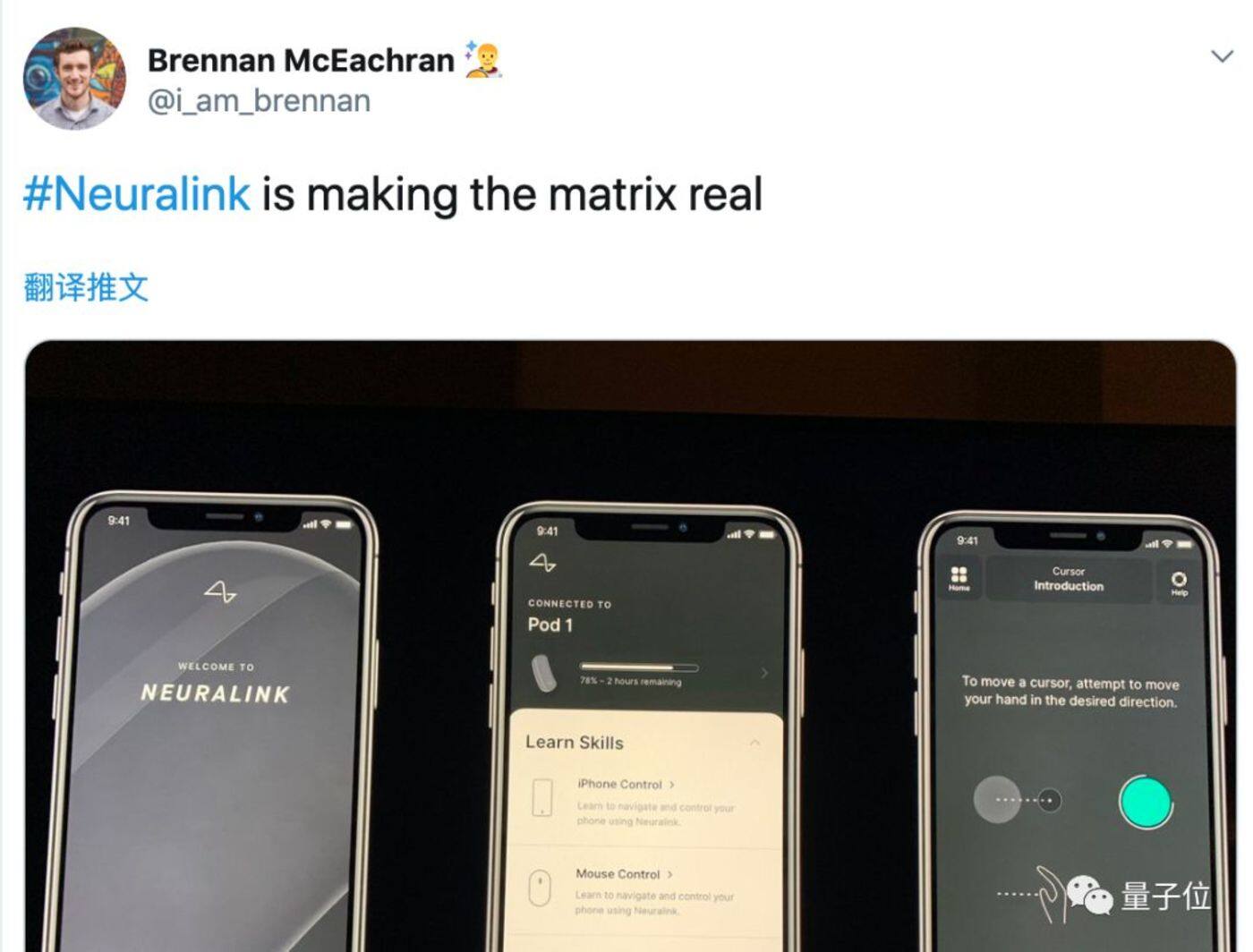
Via wireless connection, you can evenInteract with the iPhone App。
"Sewing Machine"
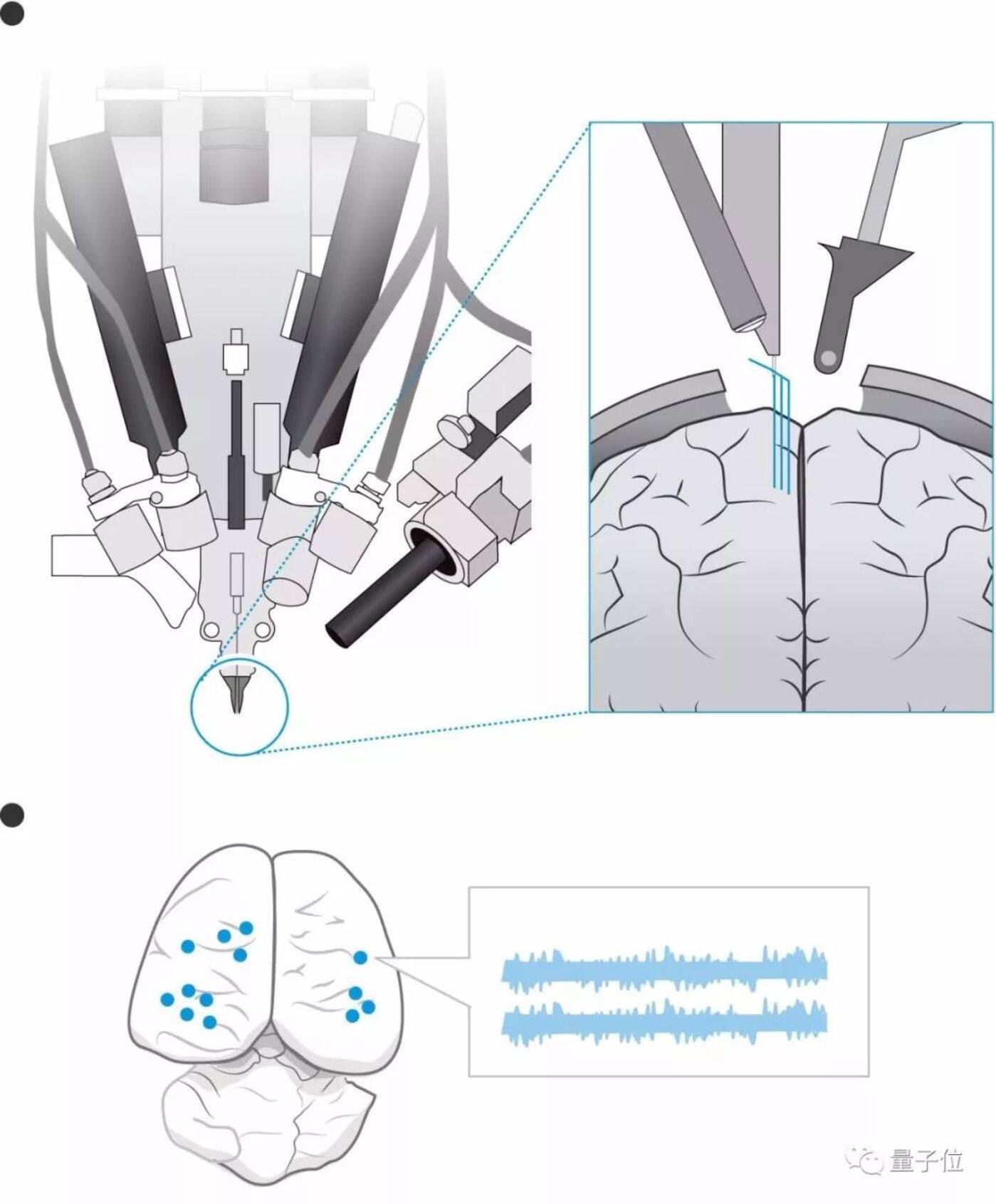
Neuralink scientists hope to use laser beams to penetrate the skull, rather than drilling.
Brown University has developed a robotic arm system called BrainGate. BrainGate relies on the Utah array, which consists of rigid needles capable of accommodating up to 128 electrode channels, for surgical implantation.
However, this number of electrode channels is fewer than expected, which means that less data will be acquired from the brain, and it is also stiffer than Neuralink’s threads.
This poses a significant challenge for long-term functionality: the brain moves within the skull, but the array’s needles do not, causing tissue damage. Neuralink attempts to address this issue by using flexible, thin polymers.
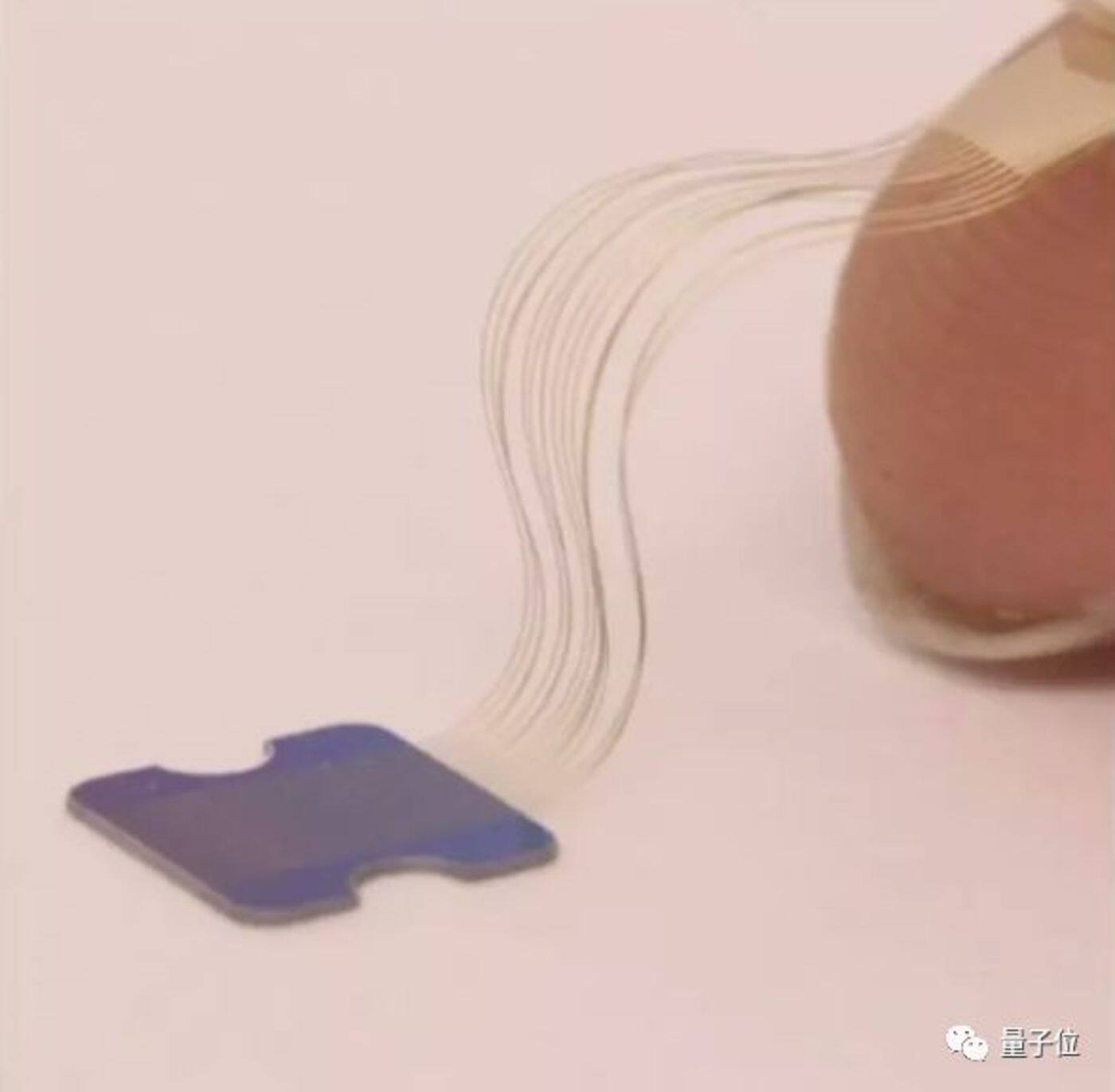
However, Neuralink’s technology presents greater technical challenges than the Utah array due to its high flexibility. To address this issue, the research team developed a neurosurgical robot capable of automatically implanting six threads (192 electrodes) per minute.
The needle is as follows:
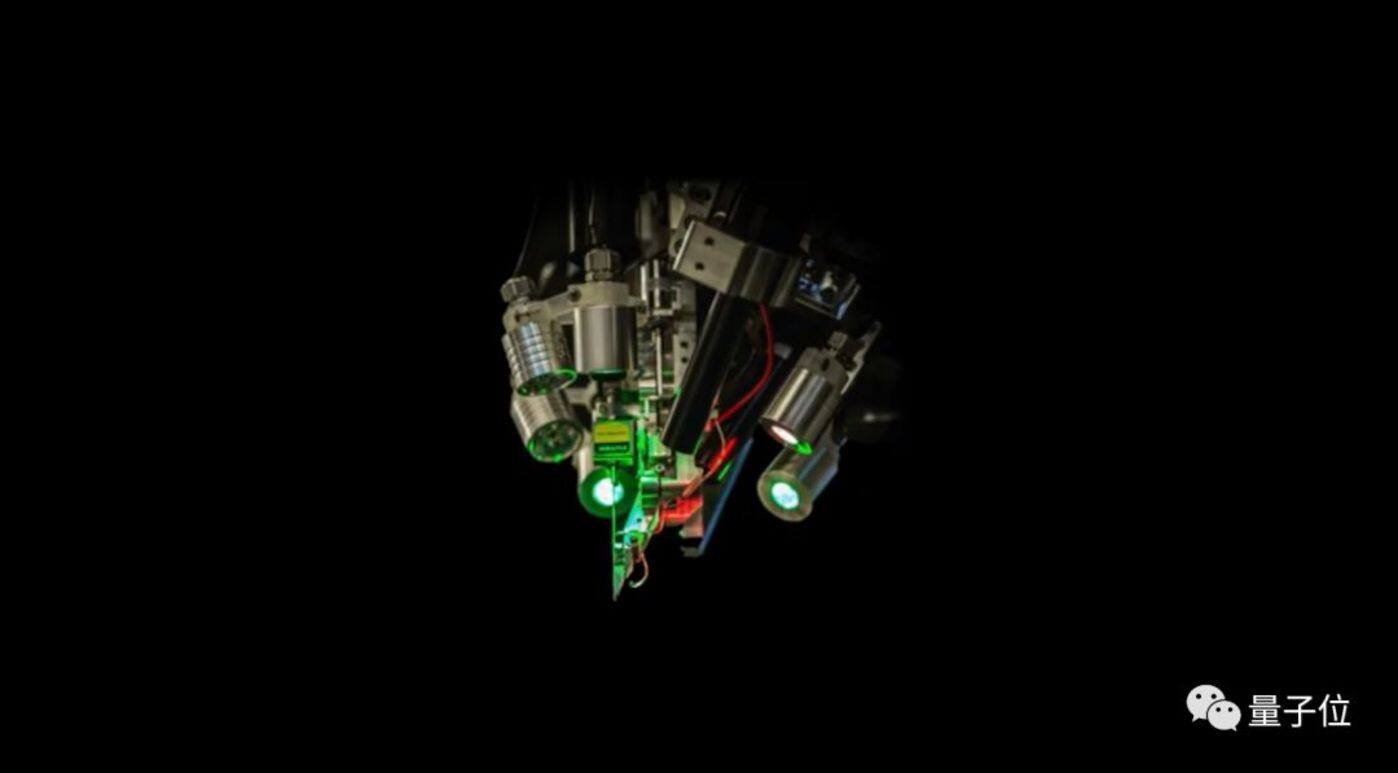
It works like a sewing machine:

Fresh Perspective
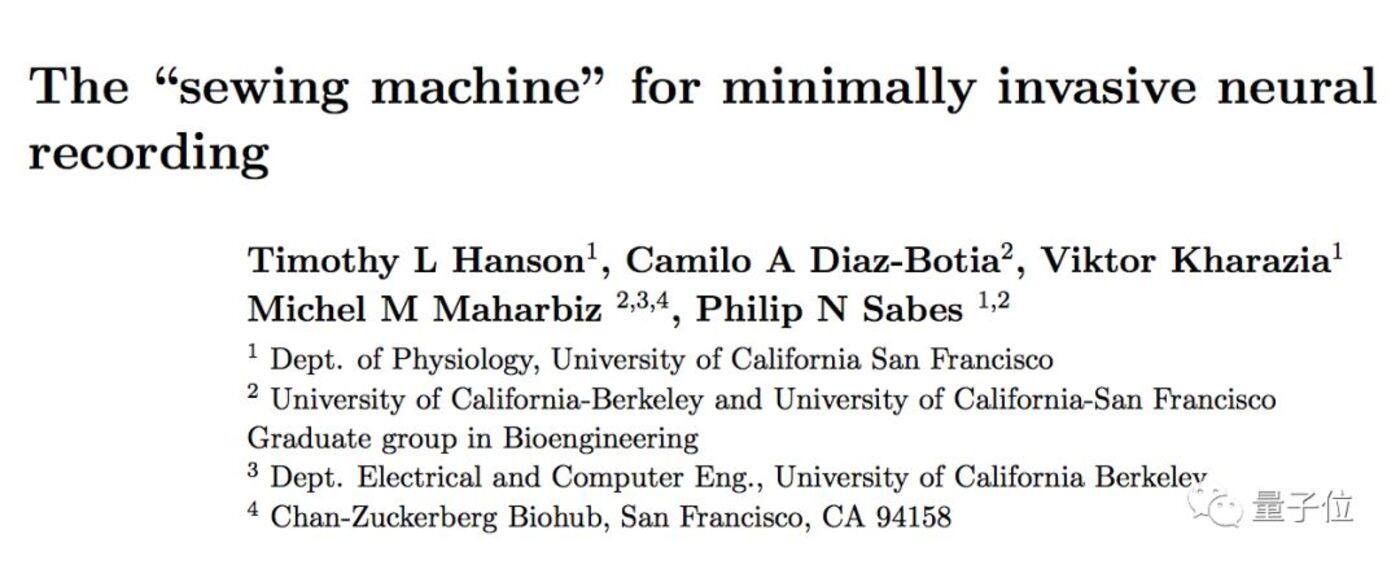
How Did the Sewing Machine Come About? The Team Explained in a Paper:
Previously, probes that were large enough to be inserted into the brain would cause acute and chronic damage and inflammation, also affecting the lifespan, stability, and output of the devices themselves.
Thus, Neuralink devised a solution by addressing the requirements of the insertion device and the implanted device separately:
The stiffer the implantation tool, the better; and the smaller and more flexible the implanted probe, the better.
Having developed the concept, the team further demonstrated that this approach is not only feasible but also scalable:
They developed a system that uses thin-film polymer-based, delicate and flexibleProbe(Probes), and delicate yet rigidImplant Needle(Insertion Needle), along with a robot responsible for implantation, are integrated together.
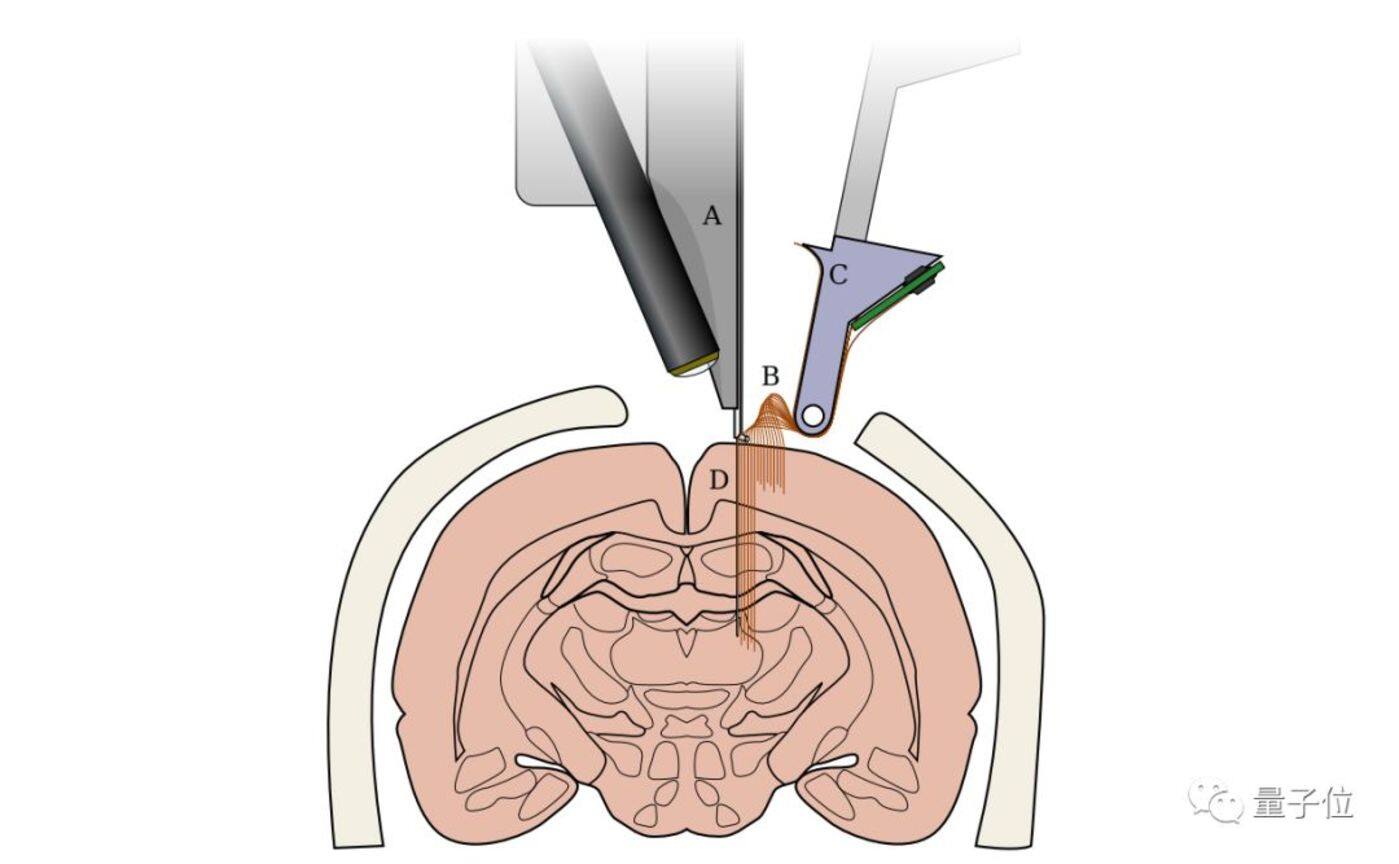
This system can rapidly and precisely implant probes, with each probe independently targeting its specific site while avoiding visible vasculature to reach its designated target. This approach effectively minimizes the risk of inflammation and damage in the brain.
In the Neuralink demonstration, the team showcased a system connected to a mouse’s brain that can read signals from 1,500 electrodes—15 times better than existing systems implanted in humans. This gives it significant value for scientific research or medical applications.
Link to the paper:
https://www.biorxiv.org/content/10.1101/578542v1
Netizens Engage in Fierce Debate
This incident has, as expected, sparked heated discussion on Twitter.
Upon learning of Musk’s plan to achieve brain-computer interface via iPhone, user @i_am_brennan said: “Neuralink is building a real Matrix (The Matrix).”
User @Fayyette said: Musk may not be the most rational or responsible person in the world, but he damn well has come up with quite a few cool concepts and products.

Others have apparently engaged in more divergent associative thinking.
Take the user below, for example: while lamenting the fate of laboratory mice, they also indulged in some fanciful speculation...

Many users have expressed that they can't wait to try it, while many others have voiced their fears.
Some people believe that their brains will be controlled, while others outright reject the idea, fearing it could unleash uncontrollable and terrifying power. Still others directly question:
Why doesn't Musk try it on himself first?

Others poured cold water on the idea, noting that the biggest hurdle is... FDA approval. Musk, you will gradually realize that compared to dealing with the FDA, the regulatory turmoil surrounding your Tesla stocks is trivial.

For more exciting content, follow TMTPost’s WeChat account (ID: taimeiti) or download the TMTPost app.