

Novartis' CDK4/6 Inhibitor Kisqali Recommended by NICE for HR+/HER2- Advanced Breast Cancer in the UK
Jul 18, 2019 16:00
CST Updated
16:00

Novartis
Drug Development and Manufacturing

NICE
NICE is a non-departmental public body of the UK Department of Health, primarily responsible for: National Health Service, clinical practice of health technologies, guidelines for health promotion and disease prevention, and social care services. It serves the UK NHS.

National Health Services
--
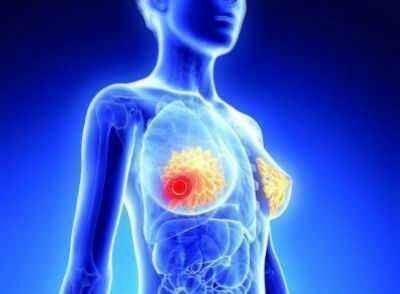
July 18, 2019/BioonBIOON/--Swiss pharmaceutical giantNovartisNovartis’ targeted anticancer drug Kisqali (ribociclib) has recently seen a turnaround in its regulatory status in the UK. The National Institute for Health and Care Excellence (NICE) has recommended Kisqali, in combination with fulvestrant, for use within the National Health Service (NHS) for the treatment of hormone receptor-positive, human epidermal growth factor receptor 2-negative (HR+/HER2-) locally advanced or metastatic breast cancer in patients who have previously received endocrine therapy.Breast CancerTreatment of Female Patients. Advanced breast cancer is an incurable disease, with 85% of patients having a survival time of no more than 5 years.
It is worth noting that in March this year, NICE issued a draft guidance rejecting the use of Kisqali within the NHS, on the grounds that final clinical trial results were not yet available and it remained unclear whether the drug could extend patients’ survival. AlthoughClinical TrialsEvidence demonstrates that Kisqali in combination with fulvestrant prolongs progression-free survival compared with fulvestrant monotherapy in patients with advanced disease who have not previously received treatment, as well as in those who have previously undergone endocrine therapy.
The revised recommendations are based on the second-line subgroup data from the MONALEESA-3 study. In this subgroup, the median progression-free survival (PFS) was 14.6 months for Kisqali combined with fulvestrant, compared to 9.1 months for fulvestrant monotherapy.
This June,NovartisAnnounced statistically significant overall survival (OS) data from the pivotal Phase III MONALEESA-7 study. Based on these data, Kisqali is the only CDK4/6 inhibitor to demonstrate a statistically significant OS benefit in combination with endocrine therapy for the treatment of patients with advanced breast cancer.
MONALEESA-7The study was conducted in premenopausal and perimenopausal women with HR+/HER2- advanced or metastatic breast cancer, evaluating the efficacy and safety of Kisqali combined with endocrine therapy (goserelin plus an aromatase inhibitor or tamoxifen) as the initial treatment regimen compared to endocrine therapy alone. Previously published data showed that Kisqali combined with endocrine therapy (goserelin plus an aromatase inhibitor) doubled progression-free survival (PFS) compared to endocrine therapy alone (goserelin plus an aromatase inhibitor) (median PFS: 27.5 months vs. 13.8 months; HR=0.569; 95% CI: 0.433–0.74).
The latest reported OS data are from a prespecified interim analysis conducted after 192 death events, demonstrating that the significant prolongation of OS met the early efficacy stopping criteria (median OS: not reached vs. 40.9 months [95% CI: 37.8–NE]; HR=0.712 [0.535–0.948]; p=0.00973). At month 42, the overall survival rate in the intent-to-treat population (n=672) was 70.2% in the Kisqali combination therapy group versus 46.0% in the endocrine therapy group. As of the data cutoff, 35% of patients in the Kisqali combination therapy group remained on treatment, and no new safety signals were observed. Kisqali is not indicated for use in combination with tamoxifen.
Subgroup analysis results showed that, compared with the use of an aromatase inhibitor alone, Kisqali in combination with an aromatase inhibitor reduced the risk of death by 30.0% (median OS: not reached vs. 40.7 months [37.4–NE]; HR=0.699 [0.501–0.976]), and Kisqali in combination with tamoxifen reduced the risk of death by 20.9% (HR=0.791 [0.454–1.377]).
It is estimated that in the UK, approximately 55,000 women areDiagnosisAmong women with early-stage breast cancer, 30% will progress to advanced disease. For patients with metastatic breast cancer, in which the cancer has spread beyond the breast, 85% have a survival time of no more than 5 years.
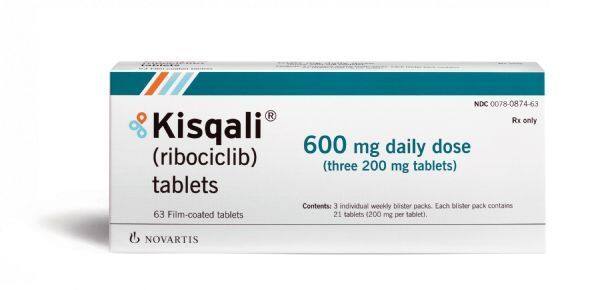
Kisqali is an oral targeted CDK4/6 inhibitor that selectively inhibits cyclin-dependent kinases 4 and 6 (CDK4/6), restoring cell cycle control and blockingTumorCell Proliferation. Dysregulation of the cell cycle is a hallmark of cancer, and CDK4/6 are overactive in many cancers, leading to uncontrolled cell proliferation. CDK4/6 are key regulators of the cell cycle, triggering the transition from the growth phase (G1 phase) to the DNA synthesis phase (S phase). In estrogen receptor-positive (ER+) breast cancer, CDK4/6 overactivity is highly frequent, as CDK4/6 are key downstream targets of ER signaling. Preclinical data demonstrate that dual inhibition of CDK4/6 and ER signaling has synergistic effects and can inhibit the growth of G1-phase ER+ breast cancer cells.
To date, Kisqali has been approved in more than 70 countries worldwide. The drug was initially approved in the United States and the European Union in March and August 2017, respectively, in combination with an aromatase inhibitor as initial endocrine therapy for postmenopausal women with HR+/HER2- locally advanced or metastatic breast cancer. In July and December 2018, the U.S. and EU approvals for Kisqali were expanded to include premenopausal, perimenopausal, and postmenopausal women in combination with an aromatase inhibitor as initial endocrine therapy, and it is also indicated in combination with fulvestrant as first- or second-line therapy for postmenopausal women. (Bioon.com)
Original Source:NICE U-turn for Kisqali in breast cancer