

Danaher's Rise as a Global MedTech Leader: 47 Acquisitions and Over $8 Billion Annual Revenue in China

Danaher
Product Design and Manufacturer
“Swiftly flowing stream”—this is the origin of the name Danaher, which refers to a river in western Montana, USA. “Dana” derives from ancient Celtic, meaning “swiftly flowing,” an apt description of Danaher’s rapid innovation over the past few decades.
From an obscure real estate investment trust founded in 1969 to today’s global medical device giant, Danaher has demonstrated agility and rapid progress over the past 50 years, flexibly adopting development strategies suited to each stage of its growth and achieving rapid expansion.
Here, VCBeat (WeChat ID: vcbeat) has compiled Danaher’s M&A history, aiming to illustrate the growth trajectory of this medical device giant by analyzing its merger and acquisition strategy.
In 1969, DMG Realty Trust, the predecessor of Danaher, was established. In 1986, the company was renamed Danaher and achieved strategic transformation through mergers and acquisitions. Danaher’s M&A strategy can be divided into four phases: finance-oriented, business-oriented, platform-oriented, and industry influence-enhancing.

Table 1 Development Stages of Danaher's M&A Strategy
It is worth noting that in 2004, during Phase III, Danaher entered the medical diagnostics sector through the acquisition of Radiometer. In 2005, Danaher acquired Leica Microsystems to enter the life sciences field. Through these two acquisitions, Danaher established its own medical diagnostics and life sciences platforms, laying the groundwork for future high-speed growth and initiating a series of strategic moves around these two sectors.
In 2015, Danaher acquired Pall for $13.8 billion, strengthening its Life Sciences platform. In 2016, Danaher executed the largest corporate spin-off in its history by establishing Fortive, a new company formed from the separation of its Professional Instrumentation and Industrial Technologies segments. This spin-off enabled Danaher to focus more intently on enhancing its existing platforms in Environmental & Applied Solutions, Dental, Medical Diagnostics, and Life Sciences.
In July 2018, Danaher announced the continuation of its corporate spin-off strategy by establishing Dentalco as an independent company to separate its dental platform. Since then, Danaher has focused more intently on advancing its environmental and applied solutions, medical diagnostics, and life sciences platforms.
In 2019, Danaher announced the acquisition of GE Biopharma for $21.4 billion. As the largest merger and acquisition in Danaher’s history, this deal will further enhance the industry influence of its life sciences platform.
At this point, Danaher has long moved beyond its origins as a real estate investment trust (REIT). It has established three major platforms: the Environmental & Applied Solutions platform, the Diagnostics platform, and the Life Sciences platform. Currently, Danaher continues to strengthen these platforms through mergers and acquisitions and corporate spin-offs, emerging as the dominant leader in the medical device sector.
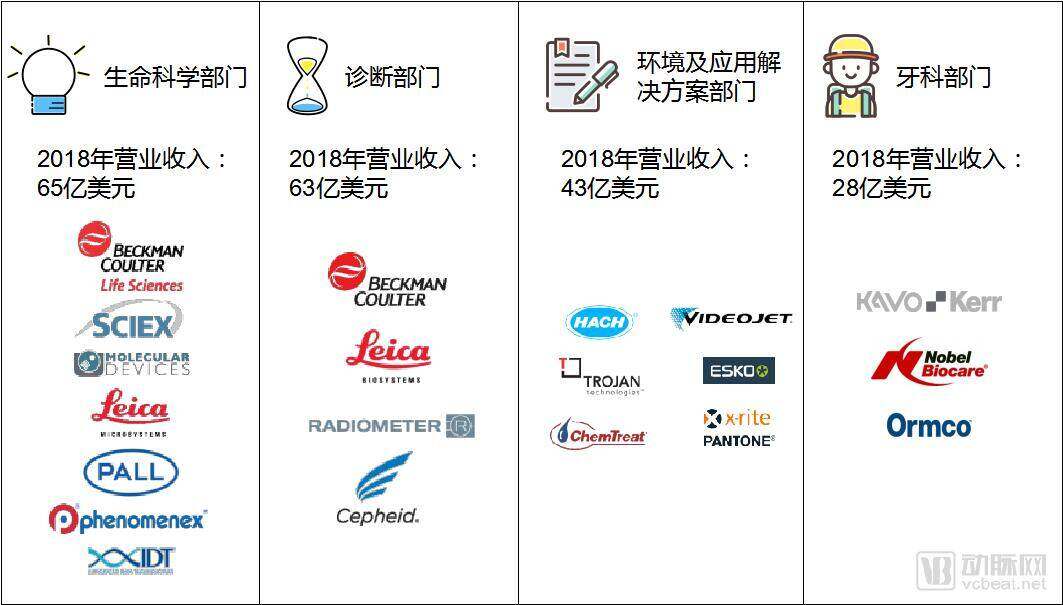
Figure 1 Danaher’s Corporate Structure in 2018
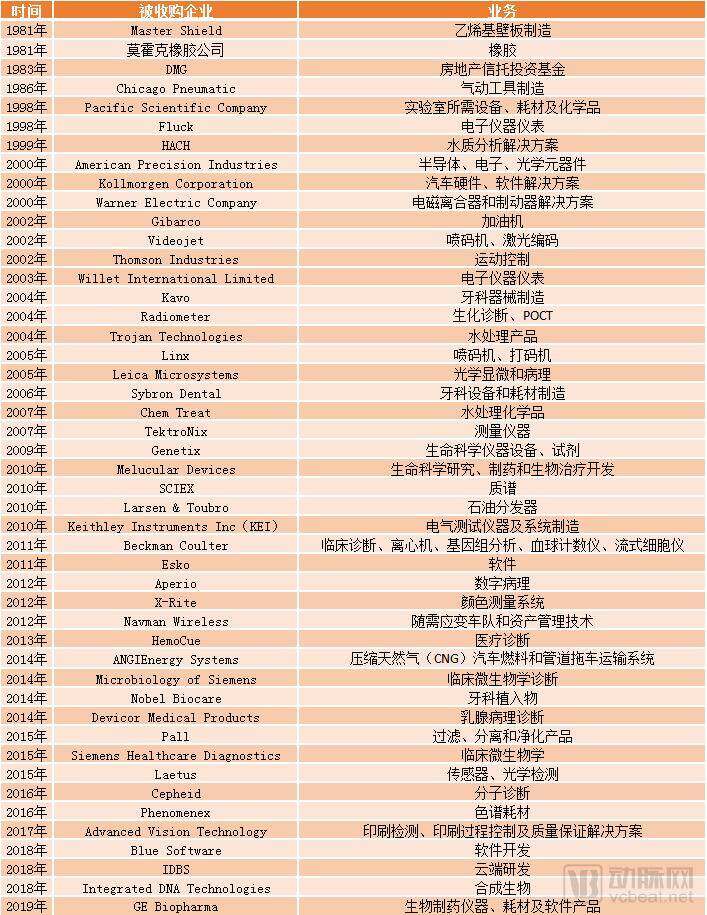
Table 2 Danaher’s M&A Timeline(Compiled by VCBeat based on research reports from Founder Securities and relevant information from Crunchbase)
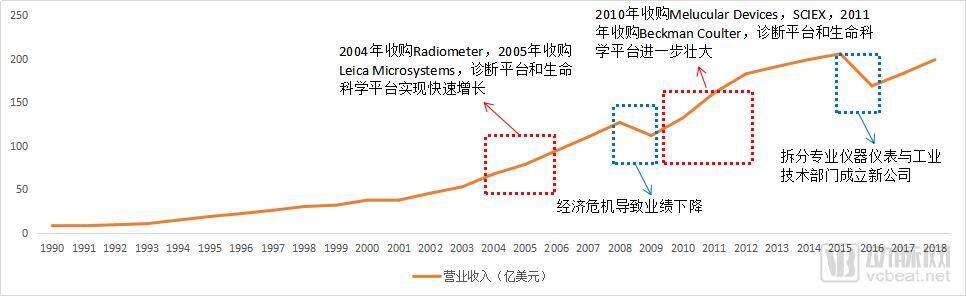
Figure 2 The Relationship Between Danaher's M&A Activities and Operating Revenue
The establishment of the Life Sciences and Medical Diagnostics platforms marked a pivotal milestone in Danaher’s development. These two platforms currently account for the largest share of Danaher’s revenue.
Life Science Platform
According to Danaher’s 2018 annual report, the Life Sciences platform generated approximately $6.5 billion in global revenue in 2018, making it the largest revenue-contributing platform within Danaher. Following the acquisition of GE Biopharma, the platform’s annual revenue is projected to reach $9.5 billion, significantly surpassing that of the Medical Diagnostics platform and establishing the Life Sciences platform as Danaher’s most important business segment.
The Life Sciences platform comprises eight companies: Leica Microsystems, Molecular Devices, AB SCIEX, Beckman Coulter Life Sciences, Pall, Phenomenex, Integrated DNA Technologies, and GE Biopharma.
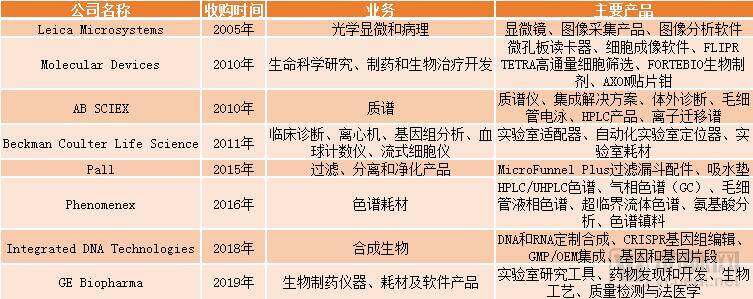
Table 3 Eight Subsidiaries of Danaher Life Sciences Platform
These eight companies collectively constitute Danaher’s Life Sciences platform, which has experienced rapid growth and achieved a gross profit margin exceeding 25% in 2018.
According to Danaher’s 2018 annual report, the Life Sciences platform generated $2.4 billion in revenue in 2013, with recurring revenue accounting for 35%. By 2018, the platform’s revenue had reached $6.5 billion, with recurring revenue comprising 65%.
Breakdown by Revenue Contribution Region: 35% of sales revenue comes from the North American market, 29% from the European market, 27% from high-growth markets (including China), and 9% from other regional markets.
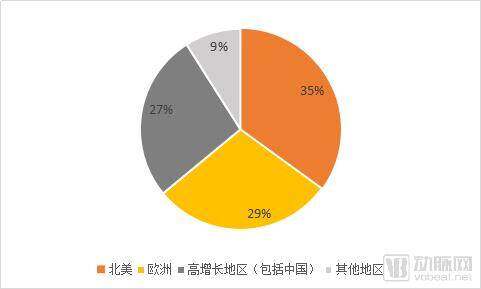
Figure 3 Regional Distribution of Sales Revenue for Danaher's Life Sciences Platform
Life Science Platform: Areas of Business Coverage
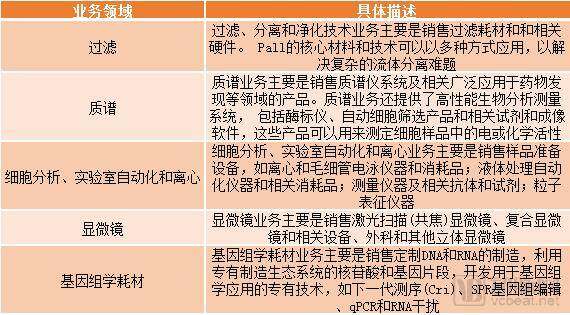
Table 4 Business Areas of Danaher’s Life Sciences Platform
Danaher Life Sciences Platform: Flagship Products and Fiscal Year 2018 Performance of Its Eight Companies
Leica Microsystems
Leica Microsystems primarily manufactures microscopes for medical use, image acquisition products, and image analysis software.
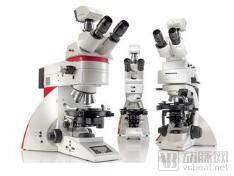
Leica DM4 P, DM2700 P, and DM750 P Upright Polarizing Microscopes
In 2018, driven by the Danaher Business System (DBS), Leica Microsystems launched new product series at three times the rate of 2017.
Molecular Devices
Molecular Devices provides customers with high-performance analytical detection systems to accelerate and enhance drug development and basic life sciences research.
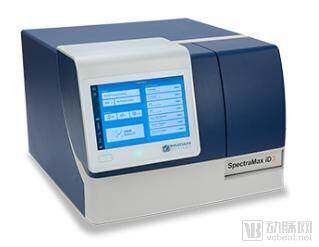
SpectraMax iD3 Multi-Mode Microplate Reader (Microplate Reader)
In 2018, Molecular Devices officially established its new headquarters in Silicon Valley and employed more than 500 scientists at its new Silicon Valley facility, focusing on the development and commercialization of breakthrough innovations to enable global life science researchers to accelerate drug discovery and development based on protein and cell biology.
In 2018, Molecular Devices and ForteBio merged to establish a new Biologics Solutions business unit aimed at advancing drug discovery and development. The combined entity operates as a business unit of Molecular Devices, transferring all personnel and technologies from Pall ForteBio to Molecular Devices. Both companies are operating subsidiaries of Danaher, a global innovator in science and technology.
AB SCIEX
SCIEX provides instruments, software, technologies, and services for applications including protein biomarker research, disease research, drug discovery and development, food safety, and environmental testing.
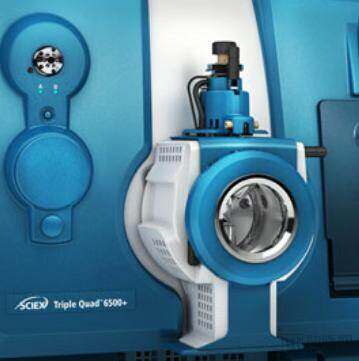
SCIEX Triple Quad Mass Spectrometry System
In 2018, SCIEX OS 1.4 introduced next-generation algorithms and achieved full data processing compatibility across SCIEX mass spectrometry platforms. The initial release of SCIEX OS was revolutionary, being the first to integrate quantitative and qualitative analysis capabilities within a unified software platform. The updated version builds on this foundation by providing cutting-edge quantitative algorithms that make data integration more efficient and intuitive, thereby further accelerating workflow efficiency. Additionally, SCIEX simplifies the creation of calibration curves through the use of new integration algorithms and the automatic removal of outliers that exceed user-defined criteria.
Beckman Coulter Life Science
Beckman Coulter Life Sciences’ flagship products are flow cytometers and centrifuges. The company employs over 2,000 people worldwide, with nearly 40 offices across the globe.
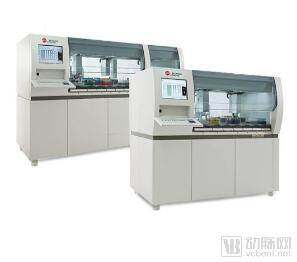
Auto Mate 2500 Series
In 2018, Beckman Coulter Life Sciences launched the second-generation DxFLEX clinical flow cytometer. The new generation of DxFLEX can be equipped with high-throughput automatic samplers and plate loaders, improving work efficiency and reducing human errors. The updated CytExpert for DxFLEX software adds features such as reporting and Panel design, better meeting clinical needs. The excellent sensitivity of DxFLEX and user-friendly software make flow cytometry more accessible; automated quality control and standardization functions ensure more standardized operations and accurate results.
Pall
PALL Corporation was founded in 1946 by Dr. David B. Pall in New York, USA, and is currently the world's largest multinational corporation dedicated to the research and development of filtration, separation, and purification technologies and products.
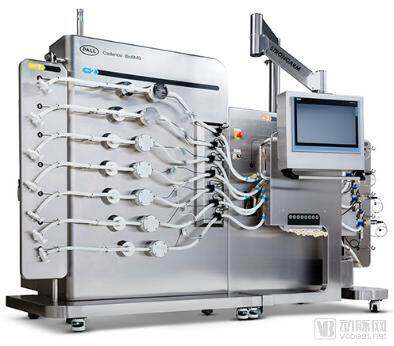
Cadence BioSMB Process 80 System
In 2018, Pall generated twice the profit from new product sales compared to 2017. In November 2018, Pall Corporation and Chongqing Precision Biotechnology Co., Ltd. announced the establishment of a collaborative platform in Chongqing to jointly accelerate the research, development, and translational manufacturing of gene and cell therapies. The two parties signed a two-year strategic cooperation agreement, planning to transition gradually from a lentiviral vector preparation platform to a fully single-use manufacturing process. This jointly built collaborative platform will serve Chongqing Precision Biotechnology’s global customers and innovation alliance members, with the aim of further accelerating the development of gene and cell therapy drugs, reducing production costs, and improving production efficiency.
Phenomenex
Phenomenex is an innovation-driven technology company dedicated to developing new technological products for laboratory professionals in the pharmaceutical, industrial, clinical, environmental, and food industries, as well as for researchers in government and academic institutions, thereby providing them with more practical analytical and purification solutions.
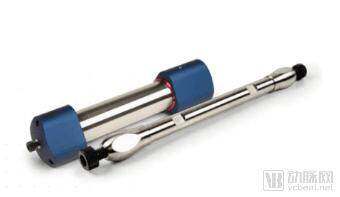
HPLC Chromatography Column
In 2018, Phenomenex merged with Tianjin Bonna-Agela Technologies Co., Ltd. to continue its operations in the separation technology industry. In 2017, Phenomenex and Bonna-Agela jointly achieved a sales revenue growth of over 100% by sharing office facilities. Bonna-Agela will become part of Phenomenex and offer Phenomenex’s full product portfolio in the Chinese market.
Integrated DNA Technologies
Integrated DNA Technologies (IDT), headquartered in Illinois, USA, is dedicated to providing high-value consumables for genomic applications, including molecular biology, qPCR, next-generation sequencing, synthetic biology, gene editing, and molecular diagnostics. The company primarily serves customers in the academic and biopharmaceutical research, biotechnology, agriculture, clinical diagnostics, and drug development end markets, offering them high-quality custom DNA and RNA oligonucleotides.
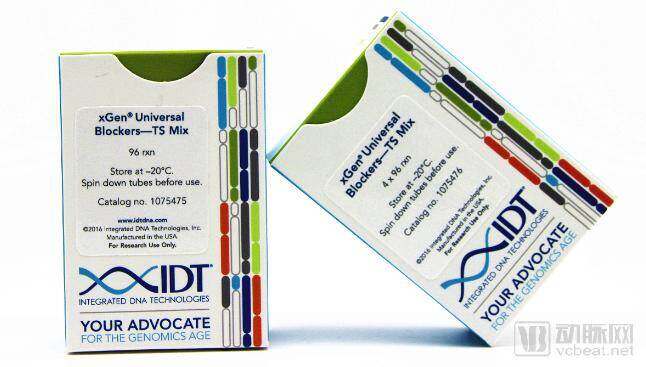
XGEN Oligonucleotide Blocker
In 2018, Integrated DNA Technologies joined the Danaher Life Sciences platform, expanding Danaher’s business into the highly attractive genomics market. It has played a core role in accelerating customer research, thereby shortening the time to market for critical diagnostic tests and life-saving therapies.
GE Biopharma
GE BioPharma is the biopharmaceutical business unit of GE Life Sciences, primarily focused on supporting drug discovery and R&D in the biopharmaceutical industry, as well as manufacturing processes and process development for biopharmaceuticals. Its business mainly includes the sales of chromatography hardware and consumables, cell culture media, and single-use products; R&D of instruments and their consumables; and the provision of related services.
Illustra Single-Cell GenomiPhi
In 2018, GE’s biopharmaceutical business was expected to generate approximately $3 billion in revenue. Upon completion of the acquisition, GE BioPharma will operate as an independent company.
Medical Diagnostic Platform
Danaher’s medical diagnostics platform provides analytical instruments, reagents, consumables, software, and services to hospitals, physician offices, reference laboratories, and other critical care facilities. The platform currently comprises four companies: Radiometer, Leica Biosystems, Beckman Coulter Dx, and Cepheid.
Throughout the history of mergers and acquisitions in Danaher’s medical diagnostics sector, more than just these four companies or divisions were acquired; those acquired entities have already been integrated into the aforementioned four companies based on business overlap.
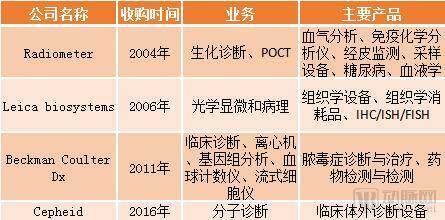
Table 5 Four Subsidiaries of Danaher’s Medical Diagnostics Platform
These four companies collectively constitute Danaher’s medical diagnostics platform, which has experienced rapid growth, with a gross profit margin exceeding 25% in 2018.
According to Danaher’s 2018 annual report, the entire medical diagnostics platform generated only $4.4 billion in revenue in 2013, with an annual growth rate of approximately 4%. By 2018, the platform’s revenue had reached $6.2 billion, with an annual growth rate of approximately 6%.
In terms of sales revenue contribution by region, 38% of sales revenue comes from the North American market, 19% from the European market, 37% from high-growth markets (including China), and 6% from other regional markets.
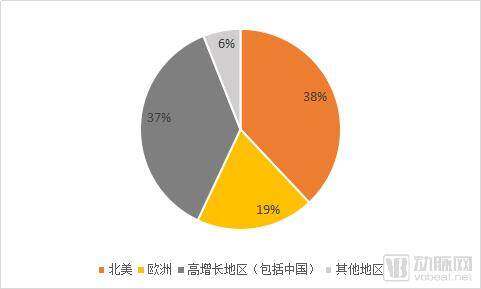
Figure 4. Regional Distribution of Sales Revenue for Danaher’s Medical Diagnostics Platform
Scope of Business Coverage for the Medical Diagnostic Platform
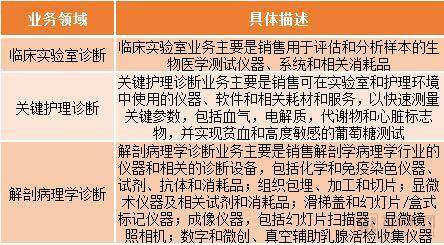
Table 6 Business Areas of Danaher's Medical Diagnostics Platform
The flagship products and fiscal 2018 performance of the four companies under Danaher’s Medical Diagnostics Platform are as follows:
Radiometer
Radiometer is a leader in the field of critical care testing, with a market share of over 40% in blood gas products. Radiometer has more than 3,000 employees worldwide, its products are used in over 100 countries and regions, and more than 200 million tests are performed annually using Radiometer products.
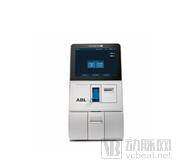
ABL9 Blood Gas Analyzer
In 2018, Radiometer held a 28% market share of blood gas products in China. The Chinese blood gas market is one of the most dynamic markets globally, driven by the ICU construction boom over the past decade. While the global average growth rate stands at 6%, China’s growth rate approaches 20%.
Leica biosystems
Leica Biosystems, founded in 1989, provides anatomical pathology laboratory solutions, offering researchers a comprehensive suite of products that meet their needs at every step of the case workflow, including slide preparation, staining, imaging, and reporting.
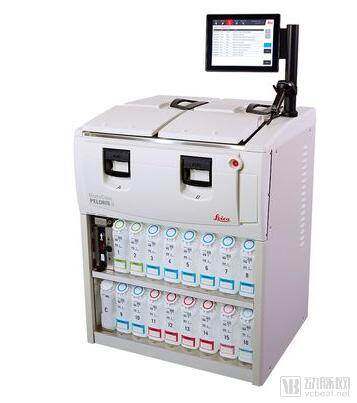
HistoCore PELORIS 3 Advanced Tissue Processing System
In 2018, driven by the Danaher Business System (DBS), Leica Biosystems further upgraded its pathology testing products, maintaining rapid growth.
Beckman Coulter Dx
Beckman Coulter Dx is a company with a comprehensive product portfolio in the field of in vitro diagnostics (IVD). Its products cover all aspects of laboratory testing, including hematology, immunoassay, clinical chemistry, microbiology, and urinalysis. The company employs over 12,000 people worldwide, with its products distributed in more than 160 countries.
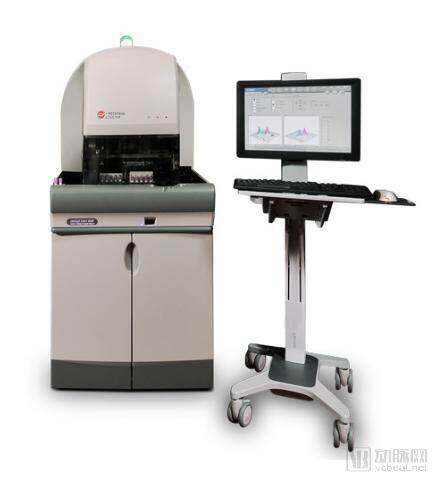
DxH 800 Hematology Analyzer
Currently, Beckman Coulter Dx is implementing a direct service strategy in China, following Roche and Siemens. It has established a robust customer service team and a customer care center to provide systematic care services, including usage training, instrument maintenance, reagent application, and test result interpretation, with the aim of increasing sales coverage.
Cepheid
Founded in 1996, Cepheid is a leading company in the molecular diagnostics industry, dedicated to the research and production of rapid clinical molecular diagnostic products. Cepheid holds the largest share of installed base for similar molecular diagnostic equipment in U.S. hospitals, accounting for nearly 25%, surpassing industry giants such as Roche, BD, and bioMérieux.
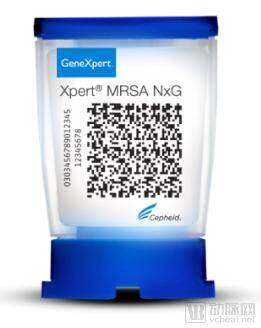
Xpert MRSA NXG
In 2018, Cepheid launched new products at twice the rate of 2017. Under the management of the Danaher Business System (DBS), Cepheid expanded its customer base by 20%, tripled its market visibility, and doubled its sales channels.
Danaher places great emphasis on the Chinese market. In 2018, demand from high-growth markets, represented by China, partially offset the impact of declining sales in Europe. In recent years, China’s in vitro diagnostics (IVD) market has led global growth rates, ranking among the highest worldwide with a compound annual growth rate (CAGR) exceeding 20% from 2008 to 2017. The global IVD market reached approximately USD 65 billion in 2017, with China’s IVD market surpassing RMB 70 billion. Driven by its large population base, urbanization, tiered diagnosis and treatment systems, and sustained economic growth, China is poised to become one of the regions with the greatest development potential in the global IVD industry.
Danaher's Presence in the Chinese Market:
1. Establish a joint venture company.
In November 2017, SCIEX, part of Danaher’s Life Sciences platform, announced the establishment of a joint venture with Zhejiang Dian Diagnostics Co., Ltd., named Disaisi Diagnostics. By the end of 2018, Disaisi Diagnostics had obtained registration certificates for its products—25-Hydroxyvitamin D Extraction Solution (Derivatization Method) and Plasma Methoxyadrenaline Extraction Solution—and commenced production and sales. The company is currently in the process of gradually scaling up its operations.
Second, integrate the resources of life science platforms to contribute to the development of China's health industry.
It is worth noting that from 2015 to 2018, the total operating revenue of Danaher China’s Life Sciences platform subsidiaries doubled, growing from $400 million to $800 million. In 2018, as a key supplier of equipment and services in the life sciences sector, Danaher joined the establishment of the Jiangsu Innovation Center for National Human Genetic Resources, a national-level major scientific and technological platform, actively participating in significant initiatives to advance China’s big health industry and contributing to its development.
Third, adjust the management structure of the China Life Sciences and Medical Diagnostics Platform to enhance operational efficiency.
On March 14, 2019, Danaher issued an announcement adjusting the management structure of its Life Sciences and Medical Diagnostics platforms in China. The announcement stated that Danaher’s Life Sciences and Diagnostics businesses in China would transition to a platform-led operating model, with a newly appointed President for each platform in China. The management teams of the Life Sciences and Medical Diagnostics platforms will report directly to their respective China Platform Presidents, as well as to the global presidents of their respective operating companies.
Under its new architecture, Danaher will continue to leverage its two core engines—the Life Sciences platform and the Medical Diagnostics platform—to drive relentless, rapid growth in China’s high-growth market.