

Zhengda Tianqing Secures First-to-File Generic of $6B Rivaroxaban, Intensifying Competition in China's Anticoagulant Market
CHIATAI TIANQING
High-quality pharmaceuticals research, production, and sales provider
Bayer
Pharmaceutical Product R&D Developer
EO Healthcare, August 9 – Rivaroxaban, a key first-to-market generic drug from CHIATAI TIANQING, has passed the review by the National Medical Products Administration (NMPA) and is set to receive marketing approval, becoming the first to break Bayer’s monopoly in the domestic market. Coupled with CHIATAI TIANQING’s acquisition of the registration approval for apixaban tablets in May this year, competition in China’s anticoagulant drug sector is expected to intensify further, gradually forming a new landscape characterized by intense rivalry between originator and generic drugs, as well as among different generic manufacturers.
“Blockbuster” in the Field of Anticoagulation
As a novel oral anticoagulant, rivaroxaban exerts its anticoagulant effect primarily by inhibiting the activity of coagulation factor Xa, thereby reducing thrombin generation. Rivaroxaban was initially co-developed by Bayer and Johnson & Johnson. It received marketing authorization from the European Medicines Agency (EMA) in September 2008 and was approved by the U.S. Food and Drug Administration (FDA) for launch in the United States in July 2011. It is widely used for the prevention and treatment of venous thromboembolism, as well as for stroke prevention in patients with non-valvular atrial fibrillation.
In March 2009, rivaroxaban was approved for marketing by the National Medical Products Administration and entered the Chinese market.In the same year, rivaroxaban was included in the National Reimbursement Drug List, initiating a 10-year period of exclusive market benefits for the original research product in China.In terms of reimbursement coverage, rivaroxaban was initially restricted in 2009 to patients following lower-extremity joint replacement surgery, and by 2017, its coverage was expanded to include patients with non-valvular atrial fibrillation who had poor control with warfarin therapy or were at high risk of bleeding, as well as those following lower-extremity joint replacement surgery.From a broad clinical department perspective, the reimbursement scope of rivaroxaban has expanded directly from surgery to cardiovascular medicine.
Market DevelopmentIn this arrangement, Johnson & Johnson is responsible for the U.S. market, while Bayer handles all other global markets outside the United States. According to Bayer’s financial report, driven by growth in the Chinese, European, and Japanese markets, rivaroxaban generated sales revenue of €1.944 billion in markets outside the United States during the first half of 2019, representing a year-on-year increase of 14%. In contrast, rivaroxaban sales in the U.S. market, managed by Johnson & Johnson, amounted to $1.091 billion in the first half of 2019, marking a year-on-year decline of 13%.
Examining Bayer’s portfolio in the anticoagulation field, rivaroxaban is undoubtedly one of its most relied-upon flagship products. Among the top 50 best-selling drugs worldwide in 2017, rivaroxaban ranked among the top 20 anticoagulants.In terms of sales volume, global anticoagulants generated a total of $33.8 billion in sales in 2017, with rivaroxaban alone contributing $7.6 billion; its global sales in 2018 also exceeded $6 billion.
However, the patent for the originator compound of rivaroxaban was set to expire in 2020, introducing new variables into China’s anticoagulant drug market. The loss of originator patent protection for rivaroxaban, coupled with the entry of “first-tier” generic manufacturers led by CHIATAI TIANQING, will stimulate a reshaping of the industry landscape.
After CHIATAI TIANQING Crossed the Finish Line, Over 40 Pharmaceutical Companies Await Breakthrough with Generic Versions
According to the Insight database, the competition for generic rivaroxaban in China is currently particularly intense, with 43 companies having laid out plans for generic production, among which 23 have already submitted applications for market approval. Additionally, there are 8 companies conducting clinical trials, and 18 have obtained clinical trial approvals.
On August 5, the review status of CHIATAI TIANQING’s rivaroxaban tablets was updated to “Review Completed – Pending Certificate Issuance,” undoubtedly making it the first to cross the finish line among the 23 generic drugs submitted for marketing approval. In addition, companies that have filed applications under Category 4 of the new registration classification include Huahai, CSPC Ouyi, and Yangzijiang.
According to data from the Huajing Market Research Center, the market size of anticoagulant drugs in China has grown rapidly in recent years, with a five-year compound annual growth rate (CAGR) of 16.19%. In 2018, sales of anticoagulant drugs in sample hospitals amounted to RMB 29.2 billion, accounting for 41.35% of total antithrombotic drug sales.In the “post-anticoagulant” market in China, where domestic patents have expired and generic approvals have been granted, seizing this “lucrative opportunity” has become a key strategic focus for many pharmaceutical companies to compete and strengthen their market position.
To address the increasingly fierce competition,CHIATAI TIANQING is also developing another star anticoagulant drug, apixaban.Previous reports have indicated that apixaban, a promising novel oral anticoagulant introduced to the market later than rivaroxaban, demonstrates superior safety profiles.Since 2014, the market for apixaban has grown rapidly; in 2017, apixaban surpassed rivaroxaban to become the best-selling anticoagulant drug globally.
In May this year, CHIATAI TIANQING's apixaban tablets received regulatory approval.As rivaroxaban enters its harvest period, this also means that CHIATAI TIANQING, which has adhered to the strategy of "seizing the first generic approval," will become a domestic enterprise possessing the dual blockbuster drugs "rivaroxaban + apixaban," thereby further solidifying its position in the anticoagulant market.
In summary, the primary advantages for domestic pharmaceutical companies in launching generic drugs lie in product pricing and distribution channels. Furthermore, the impending market entry of a large volume of generic drugs is compelling players in this sector to establish more differentiated competitive barriers to ensure their survival.
Recommended Articles:
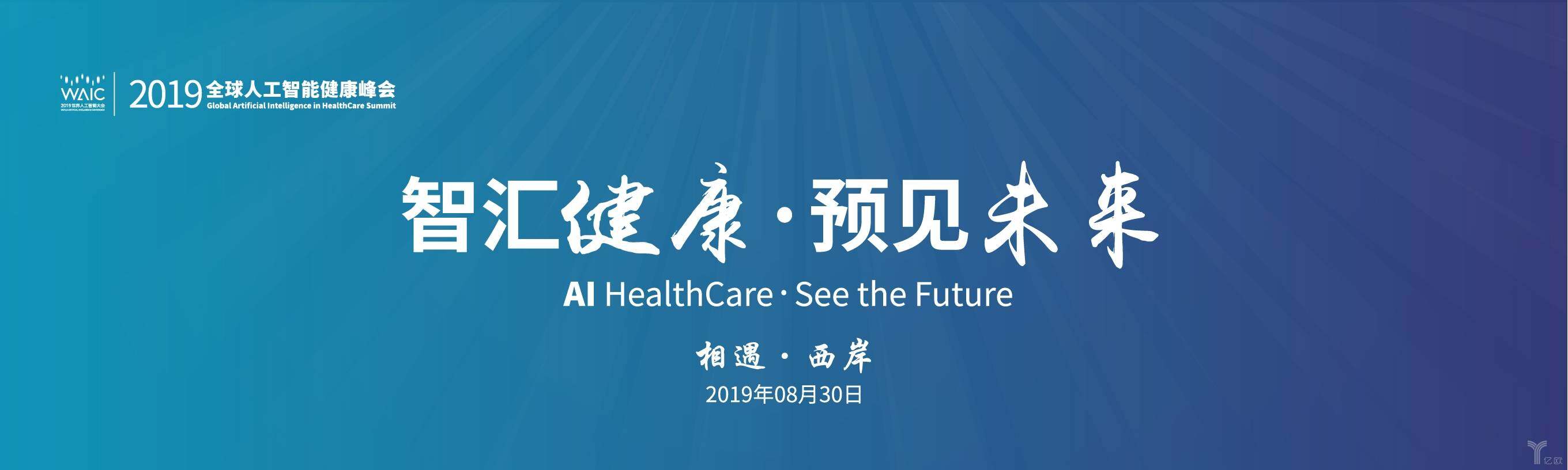
As one of the ten thematic forums at the 2019 World Artificial Intelligence Conference, the Global AI Health Summit was themed “Smart Health · Foreseeing the Future.”
We aim to leverage the summit to build a diverse, open, and innovative global platform for shared exchange, bringing together visionaries, experts, scholars, and industry leaders in the field of AI-driven health to engage in in-depth discussions on development trends, industry regulation, innovative technologies, practical applications, and investment directions.
August 30, 2019, 9:00–17:00
West Bund Art Center, Hall A, Xuhui District, Shanghai
We invite you to the art-infused and culturally rich West Bund of Xuhui, to explore new models and momentum for AI-empowered human health communities, leading the new development of the global health industry.
Click to Register:https://www.iyiou.com/post/ad/id/850
Copyright Notice
This article is sourced from Iyiou and published with authorization from Iyiou. All rights reserved by the original author. For reprinting or content collaboration, please clickReprint Notice, Unauthorized reposting will be subject to legal action.