

AstraZeneca's SGLT2 Inhibitor Farxiga Achieves Primary Endpoint in Landmark Phase III DAPA-HF Trial for Heart Failure with Reduced Ejection Fraction (HFrEF)
Aug 23, 2019 08:58
CST Updated
08:58

AstraZeneca
Biopharmaceutical Manufacturer

August 23, 2019 /Bio ValleyBIOON/ -- UK pharmaceutical giantAstraZeneca(AstraZeneca) recently announced positive results from the landmark Phase III DAPA-HF study evaluating Farxiga (Chinese brand name: Andatang; generic name: dapagliflozin) for the treatment of heart failure.
This study is an international, multicenter, parallel-group, randomized, double-blind trial conducted in patients with heart failure with reduced ejection fraction (HFrEF; LVEF ≤40%), including those with and without type 2Diabetespatients. The study evaluated the efficacy and safety of once-daily 10 mg Farxiga versus placebo, in addition to standard care. The primary endpoint was time to worsening heart failure events (hospitalization or equivalent events, such as urgent visits for heart failure) or cardiovascular death.
The results showed that the study met its primary composite endpoint: compared with placebo, Farxiga demonstrated a statistically significant and clinically meaningful reduction in worsening heart failure or cardiovascular death. In this study, the safety profile of Farxiga was consistent with its established safety profile.
It is worth noting that the DAPA-HF trial employed an SGLT2 inhibitor in combination with standard-of-care medications (including angiotensin-converting enzyme [ACE] inhibitors, angiotensin II receptor blockers [ARBs], beta-blockers, mineralocorticoid receptor antagonists [MRAs], and neprilysin inhibitors) for the treatment of adult patients with heart failure with reduced ejection fraction (HFrEF), with and without type 2Diabetes) first heart failure outcomes study.
The full data from the DAPA-HF study will be presented at the upcoming medicalMeetingpublished above. Currently, AstraZeneca is also conducting two additional clinical studies to evaluate Farxiga for the treatment of patients with heart failure with preserved ejection fraction (HFpEF) (the DELIVER study) and for the treatment of patients with HFrEF and HFpEF (the DETERMINE study).
efficacy and safety.
Mene Pangalos, Executive Vice President of BioPharmaceuticals R&D at AstraZeneca, stated: “Through the DAPA-HF trial, Farxiga became the first in its class to demonstrate efficacy in treating heart failure (with or without type 2Diabetes) SGLT2 inhibitor with efficacy and safety data in patients. Currently, half of heart failure patients die within five years, and it remains one of the leading causes of hospitalization. We look forward to discussing the results of DAPA-HF with health authorities as soon as possible.”
Dr. John McMurray of the Institute of Cardiovascular and Medical Sciences at the University of Glasgow’s British Heart Foundation Cardiovascular Research Centre stated, “The benefits of Farxiga in the DAPA-HF study were highly significant, with a marked reduction in the primary composite outcome of cardiovascular death or hospitalization. We hope these exciting new findings will ultimately help alleviate the substantial disease burden caused by heart failure and improve patient outcomes.”
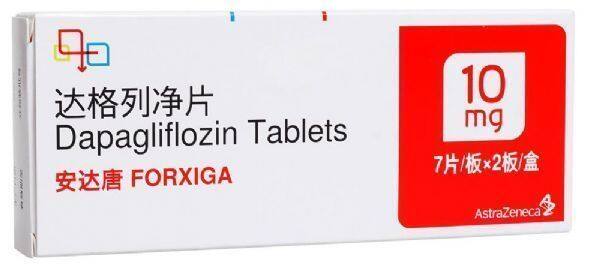
Farxiga is a first-in-class, selective SGLT2 inhibitor that primarily works by inhibiting SGLT2 (a transporter protein involved in glucose reabsorption in the proximal renal tubules of the kidneys), thereby reducing renal glucose reabsorption and increasing urinary glucose excretion to lower blood glucose levels. This glucose-lowering effect is independent of β-cell function and insulin resistance.
Farxiga has a robust clinical trial program, comprising more than 35 completed and ongoing Phase IIb/III trials involving over 35,000 patients.Clinical Trials, and over 2.5 million patient-years of experience.
Currently, Farxiga has been approved as a monotherapy for type 2DiabetesTo improve glycemic control in adult patients. Furthermore, Farxiga has also been approved by the European Union and Japan as an oral adjunct to insulin therapy for adults with type 1 diabetes (T1D) who are receiving insulin but have inadequate glycemic control and a body mass index (BMI) ≥27 kg/m² (overweight or obese), to improve their glycemic control.
In China, Farxiga was approved in March 2017 for the treatment of adult patients with type 2 diabetes. This approval made Farxiga the first SGLT2 inhibitor to be marketed in China. Farxiga is an oral tablet, with each tablet containing 5 mg or 10 mg of dapagliflozin. The recommended starting dose is 5 mg once daily in the morning.