

Janssen's Invokana (Canagliflozin) Submits New Indication Application to Reduce Risk of End-Stage Kidney Disease in Type 2 Diabetes Patients – First Such Therapy in Two Decades
Aug 24, 2019 14:37
CST Updated
14:37
Mundipharma
Innovative Pharmaceutical Manufacturer and Distributor

Johnson & Johnson
Healthcare Product Manufacturers, Health Service Providers

European Medicines Agency
The European Medicines Agency (EMA) is a decentralized agency of the European Union (EU), located in London. It began operations in 1995. The agency is responsible for the scientific evaluation, supervision, and safety monitoring of medicines developed by pharmaceutical companies for use in the EU. By ensuring that all medicines available on the EU market are safe, effective, and of high quality, the EMA protects public and animal health in the 28 EU Member States and countries of the European Economic Area.

August 24, 2019 News /BioValleyBIOON/ -- Mundipharma, the European distributor of two oral antidiabetic drugs, Invokana and Vokanamet, from US pharmaceutical giant Johnson & Johnson (JNJ), recently announced that the European Medicines Agency (EMA) has accepted the applications for expanded indications for these two drugs as an adjunct therapy, in combination with standard care, for type 2 diabetes patients with stage 2 or 3 chronic kidney disease (CKD) and albuminuria.Diabetes(T2D) adult patients, reducing the risk of end-stage kidney disease (ESKD). In late March this year, Johnson & Johnson also submitted to the U.S.FDAA supplemental New Drug Application was submitted to seek approval for Invokana to reduce the risk of ESKD in adult patients with T2D and CKD.
This application is based on data from CREDENCE, a pivotal Phase III clinical study evaluating the renal outcomes of Invokana. In July 2018, Johnson & Johnson decided to terminate the CREDENCE study early, following the recommendation of the Independent Data Monitoring Committee (IDMC), due to particularly significant efficacy.
If approved, Invokana will become the first and only drug in the past 20 years that, when used in combination with standard of care, can significantly reduce the risk of end-stage renal disease in patients with type 2 diabetes and chronic kidney disease.
CREDENCE was conducted in patients with type 2 diabetes and chronic kidney disease (CKD) receiving standard-of-care background therapy.DiabetesThe first rigorously designed renal outcomes study conducted in patients with type 2 diabetes (T2D), in whom standard of care included angiotensin-converting enzyme (ACE) inhibitors and angiotensin II receptor blockers (ARBs). This randomized, double-blind, placebo-controlled, parallel-group, multicenter clinical trial enrolled 4,400 patients with T2D and chronic kidney disease (CKD) to evaluate the efficacy and safety of canagliflozin versus placebo in preventing clinically important renal and cardiovascular (CV) outcomes. Eligible patients had an estimated glomerular filtration rate (eGFR) ≥30 and <90 mL/min/1.73 m² and albuminuria (urine albumin-to-creatinine ratio >300 mg/g and ≤5,000 mg/g). All patients were required to have received maximally labeled or tolerated doses of ACE inhibitors or ARBs for at least 4 weeks prior to randomization.
The IDMC reviewed the data from the prespecified interim analysis, which demonstrated that Invokana plus standard of care met the prespecified efficacy criteria for the primary composite endpoint compared with placebo plus standard of care. The primary composite endpoint comprised end-stage kidney disease (time to dialysis or kidney transplantation), a doubling of serum creatinine, and renal or cardiovascular (CV) death. Detailed results from the study were presented on April 15 this year at the annual World Congress of Nephrology (WCN) of the International Society of Nephrology (ISN) in Melbourne, Australia.
In Europe, there are approximately 24 million people with type 2DiabetesThe patient may have developedDiabetesDiabetic Kidney Disease (DKD), this figure is expected to rise with the increasing prevalence of diabetes. DKD has a significant impact on patients' physical, emotional, and financial well-being, and increases the risk of diabetes-related complications, including cardiovascular disease, reduced quality of life, infections, fatigue, depression, and medicationAdverse Reactionsand premature death.
Dr. MVinicius Gomes de Lima, Head of European Medical Affairs at Mundipharma, stated, “Chronic kidney disease is a serious complication of type 2 diabetes that increases patients’ risk of developing end-stage renal disease and may shorten their life expectancy by several years. If approved, this expanded indication application would represent an important step forward in helping to alleviate the burden associated with chronic kidney disease and improve patients’ quality of life.”
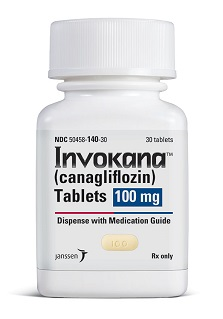
The active pharmaceutical ingredient in Invokana is canagliflozin. Vokanamet is a fixed-dose combination medication containing canagliflozin and metformin. Canagliflozin is a novel glucose-lowering agent belonging to the class of sodium-glucose cotransporter 2 (SGLT2) inhibitors. SGLT2 is a transporter protein involved in glucose reabsorption in the proximal renal tubules of the kidney. Canagliflozin primarily lowers blood glucose levels by inhibiting SGLT2 expressed in the kidneys, thereby reducing renal glucose reabsorption and increasing urinary glucose excretion. This glucose-lowering effect is independent of beta-cell function and insulin resistance. Compared with non-diabetic individuals, patients with type 2 diabetes exhibit increased renal reabsorption of glucose into the bloodstream, which may contribute to elevated blood glucose levels. In addition to its established glucose-lowering efficacy, canagliflozin offers additional benefits, including weight reduction, slowing the progression of proteinuria, and lowering blood pressure.
Invokana and Vokanamet were approved in the European Union in 2013 and 2014, respectively, as an adjunct to diet and exercise for adult patients with type 2 diabetes mellitus whose glycemic control is inadequate. In July 2018, the labels of both drugs were updated to incorporate data from the landmark Phase III CANVAS cardiovascular outcomes clinical program, making them the first agents capable of reducing the risk of myocardial infarction,Stroke, oral type 2 diabetes drugs with cardiovascular mortality risk.
In September 2017, Mundipharma signed an exclusive distribution agreement with Janssen Pharmaceuticals, a subsidiary of Johnson & Johnson, becoming the exclusive distributor of Invokana and Vokanamet in the European Economic Area (EEA) and Switzerland.
In the Chinese market, canagliflozin was approved in September 2017 under the brand name Invokana®. When glycemic control is inadequate with metformin monotherapy or with combination therapy of metformin and a sulfonylurea, Invokana may be used in combination with metformin, or with metformin and a sulfonylurea, alongside diet and exercise, to improve glycemic control in adult patients with type 2 diabetes. In July 2018, Janssen (Xi’an) and Merck Serono entered into a marketing collaboration agreement to officially launch Invokana® in the Chinese market. Under the agreement, the two companies will collaborate closely on the further development, distribution, promotion, market access, and sales of Invokana®, while Merck holds the exclusive promotional rights for the product in the Chinese market. (Bioon.com)
Original Source:Mundipharma