

AstraZeneca's SGLT2 Inhibitor Farxiga (Dapagliflozin) Granted FDA Fast Track Designation for Chronic Kidney Disease
Aug 28, 2019 09:00
CST Updated
09:00

AstraZeneca
Biopharmaceutical Manufacturer

FDA
U.S. Food and Drug Administration

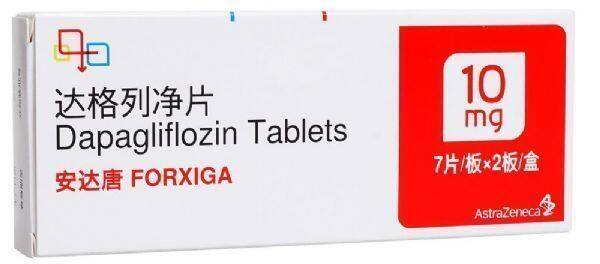
August 28, 2019 /BioValleyBIOON/ -- British pharmaceutical giantAstraZeneca(AstraZeneca) recently announced that the U.S. Food and Drug Administration (FDA) has granted Fast Track designation (FTD) to the SGLT2 inhibitor antidiabetic drug Farxiga (Chinese brand name: Andatang; generic name: dapagliflozin), to delay the progression of renal failure in patients with chronic kidney disease (CKD) and prevent cardiovascular (CV) and renal death, including in those with or without type 2Diabetes(T2D) patients with CKD.
Fast Track Designation (FTD) aims to accelerate drug development and expedited review for serious diseases, addressing critical areas of unmet medical needs. When an investigational drug receives Fast Track Designation, it means that the pharmaceutical company can have more frequent meetings with the FDA during the research and development phase. If relevant criteria are met after submission of a marketing application, the drug may qualify for accelerated approval, priority review, and rolling review opportunities. Rolling review allows the pharmaceutical company to submit completed portions of its Biologics License Application (BLA) or New Drug Application (NDA) to theFDA, without having to wait until each section is completed before reviewing the entire BLA or NDA.
Mene Pangalos, Executive Vice President of BioPharmaceuticals R&D at AstraZeneca, stated, “Chronic kidney disease affects approximately 37 million people in the United States, and the condition is often associated with heart disease andStrokeassociated with an elevated risk. This FTD represents a significant step toward rapidly addressing unmet therapeutic needs in the field of chronic kidney disease, and we will collaborate withFDAwork closely to explore the potential of Farxiga to improve outcomes in these patients.”
Currently, AstraZeneca is conducting the Phase III DAPA-CKD trial.Clinical Trials, to evaluate the impact of Farxiga combined with standard care on renal outcomes and cardiovascular mortality in patients with chronic kidney disease (CKD), with or without type 2 diabetes (T2D).
Chronic kidney disease (CKD) is a serious, progressive condition defined by a decline in kidney function (manifested as a reduced estimated glomerular filtration rate [eGFR], markers of kidney damage, or both) persisting for at least 3 months. The most common causes of CKD areDiabetesandHypertension. Globally, CKD affects approximately 200 million adults.
CKD and RefractorinessHypertension, chronic fluid overload, heart failure, and an increased risk of cardiovascular and all-cause mortality. In the most severe form, namely end-stage renal disease (ESRD), kidney injury and deterioration of renal function have progressed to the stage requiring dialysis or kidney transplantation. Most patients with ESRD die from cardiovascular diseases.
The active pharmaceutical ingredient of Forxiga is dapagliflozin, a first-in-class, once-daily oral selective sodium-glucose cotransporter 2 (SGLT2) inhibitor that has been approved for type 2DiabetesImproving glycemic control in adult patients. This medication acts independently of insulin by selectively inhibiting SGLT2 in the kidneys, thereby facilitating the excretion of excess glucose in the urine. In addition to its glucose-lowering effects, this drug also possessesWeight Lossand the additional benefit of lowering blood pressure.
AstraZeneca is advancing a comprehensive clinical development program for dapagliflozin, encompassing more than 35 completed or ongoing Phase IIb/III clinical studies with over 35,000 enrolled patients and more than 2.5 million patient-years of clinical experience.
In March this year, Forxiga (the European brand name for dapagliflozin) received new indications approved by the EU and Japan: as an oral adjunctive therapy to insulin for type 1DiabetesTreatment of adult patients with type 1 diabetes (T1D). This drug is the first SGLT2 inhibitor approved in Europe for the treatment of T1D and the first T1D medication to receive regulatory approval for AstraZeneca. The specific indication is as an oral adjunct to insulin therapy to improve glycemic control in adult patients with type 1 diabetes (T1D) who are on insulin but have inadequate glycemic control and have a body mass index (BMI) ≥27 kg/m² (overweight or obese).
In early August this year, Forxiga received EU approval to update its drug label to include prognostic data from the landmark cardiovascular outcomes trial (CVOT) DECLARE-TIMI 58. This study is the largest and most extensive CVOT conducted to date on SGLT2 inhibitors. The data showed that, compared with placebo, Forxiga significantly reduced the composite risk of hospitalization for heart failure (hHF) or cardiovascular death by 17%. Regulatory applications to incorporate these clinical data into the Forxiga product label are currently under review by regulatory authorities in the United States and China.
In China, dapagliflozin (Chinese brand name: Forxiga) was approved in March 2017 as a monotherapy to improve glycemic control in adult patients with type 2 diabetes. This approval made dapagliflozin the first SGLT2 inhibitor approved in the Chinese market. The drug is an oral tablet, with each tablet containing 5 mg or 10 mg of dapagliflozin. The recommended starting dose is 5 mg once daily in the morning. (Bioon.com)
Original Source:AstraZeneca