



On September 16, AstraZeneca announced that the FDA granted Fast Track designation to Farxiga (dapagliflozin) for the heart failure indication, to reduce the risk of cardiovascular death or hospitalization for heart failure in patients with heart failure with reduced ejection fraction (HFrEF) or heart failure with preserved ejection fraction (HFpEF).
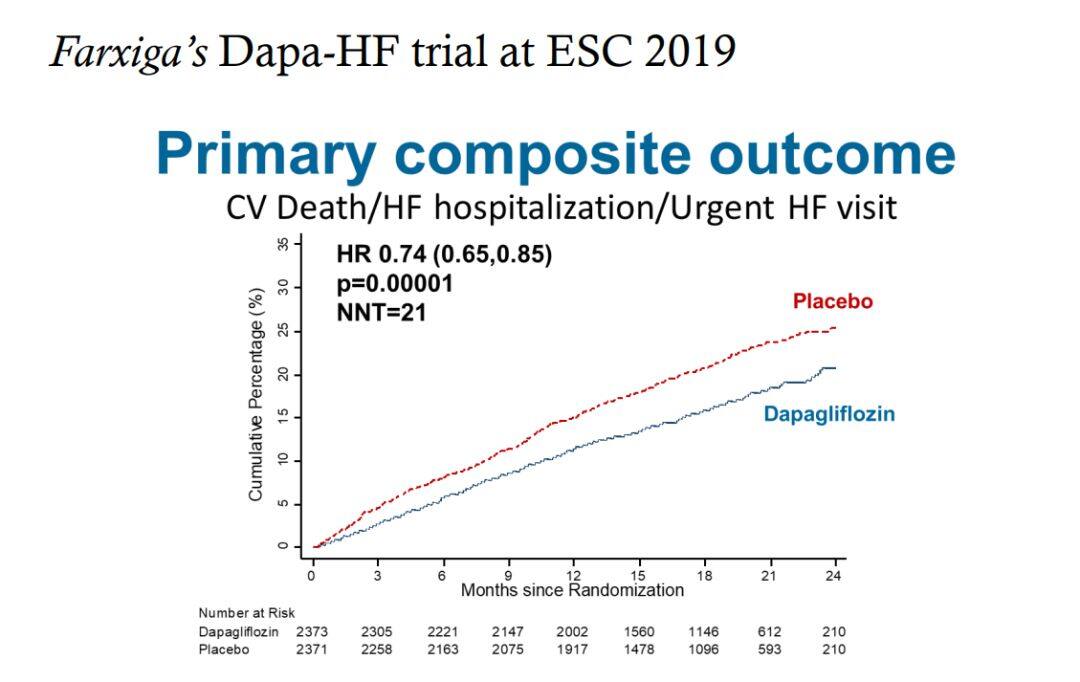
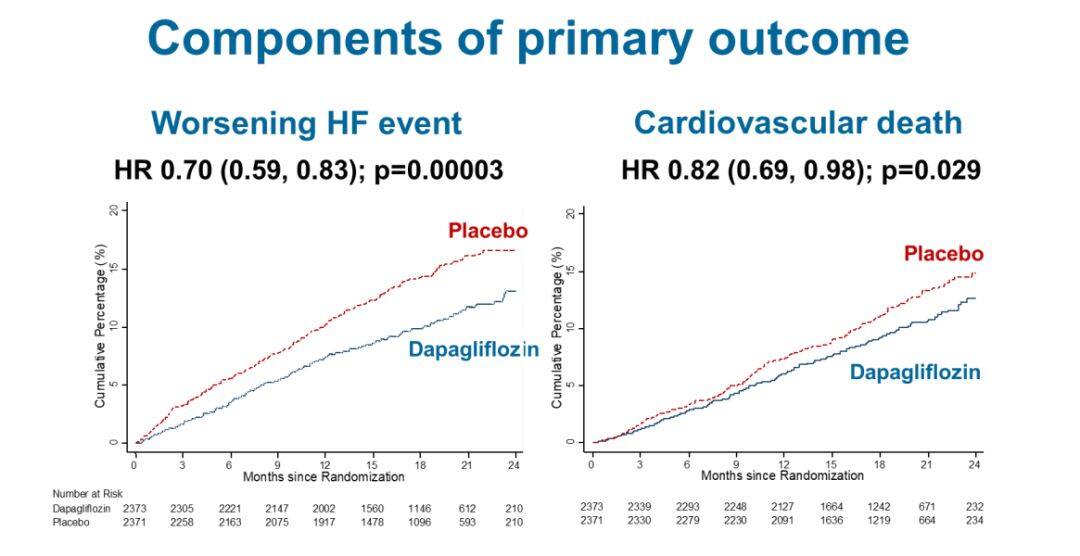
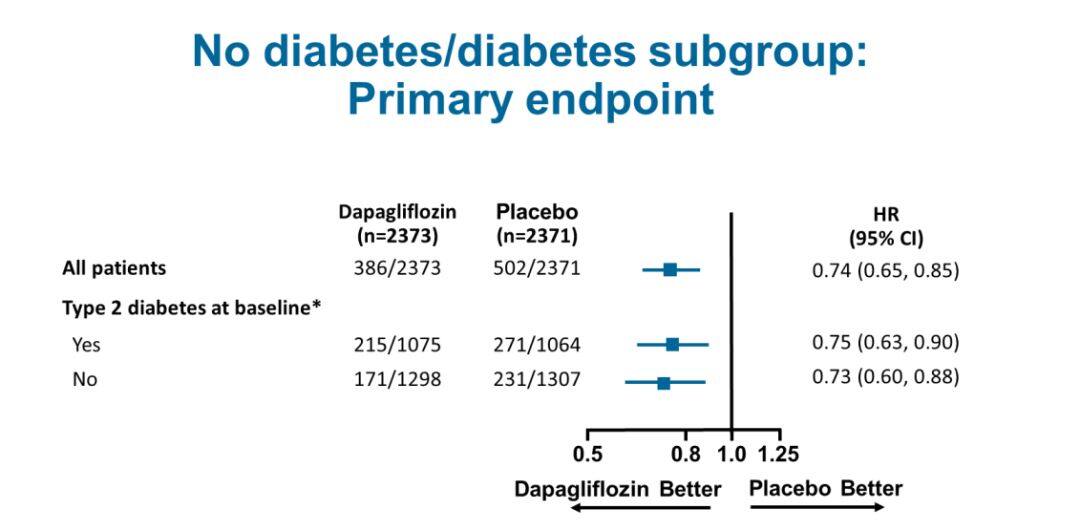
The FDA’s approval was primarily based on the results of the Phase III DAPA-HF and DELIVER trials, which evaluated the efficacy of dapagliflozin in patients with HFrEF and HFpEF, respectively. On August 20, AstraZeneca announced that the DAPA-HF trial had met its primary endpoint, making dapagliflozin the first SGLT-2 inhibitor proven to reduce the risk of cardiovascular death and worsening heart failure in patients without type 2 diabetes. Detailed data were presented at the ESC 2019 Congress in early September, demonstrating that dapagliflozin, added to standard therapy, significantly reduced the risk of the primary composite endpoint of cardiovascular (CV) death or worsening heart failure by 26%. Additionally, the risk of first worsening heart failure event was reduced by 30%, and the risk of CV death was reduced by 18% in the dapagliflozin group.
The FDA’s Fast Track designation is designed to accelerate the development and review of new drugs addressing unmet clinical needs. Companies may apply at any stage of drug development, with the FDA making a determination within 60 days. Upon confirmation, applicants are granted enhanced communication opportunities and guidance, and are permitted to submit sections of their New Drug Application (NDA) or Biologics License Application (BLA) on a rolling basis, thereby shortening the review and approval timeline for such novel therapies. On August 27, AstraZeneca announced that dapagliflozin had been granted Fast Track designation by the FDA to delay the progression of renal failure and reduce the risk of cardiovascular and renal death in patients with chronic kidney disease (CKD). Currently approved only for type 2 diabetes, dapagliflozin is already a blockbuster drug with annual sales nearing $1.4 billion. On March 25 this year, it was approved by the European Union as an adjunct to insulin for adults with type 1 diabetes who have inadequate glycemic control despite optimal insulin therapy, becoming the first SGLT-2 inhibitor approved for type 1 diabetes. Now, within less than a month, it has consecutively received two Fast Track designations from the FDA, both for major indications in heart failure and kidney disease. It can be said that dapagliflozin is advancing at a remarkable pace on its path toward becoming a “blockbuster miracle drug.”
Dapagliflozin is a sodium-glucose cotransporter-2 (SGLT-2) inhibitor. SGLT-2 is primarily expressed in the kidneys and plays a key role in facilitating renal glucose reabsorption. SGLT-2 inhibitors exert their glucose-lowering effects mainly by inhibiting SGLT-2 activity, thereby reducing renal glucose reabsorption and promoting the excretion of excess glucose through urine. As non-insulin-dependent antihyperglycemic agents, SGLT-2 inhibitors represent a novel therapeutic approach for diabetes management. The mechanism by which SGLT-2 inhibitors benefit heart failure treatment has not yet been fully elucidated. To date, eight SGLT-2 inhibitors have been approved for marketing worldwide, among which tofogliflozin, rugliflozin, and ipragliflozin have been approved only in Japan. An analysis of the three most closely watched SGLT-2 inhibitors (with sales figures for Merck’s ertugliflozin undisclosed) reveals that the market size for SGLT-2 inhibitors exceeded $4 billion in 2018 and was projected to surpass $5 billion in 2019.
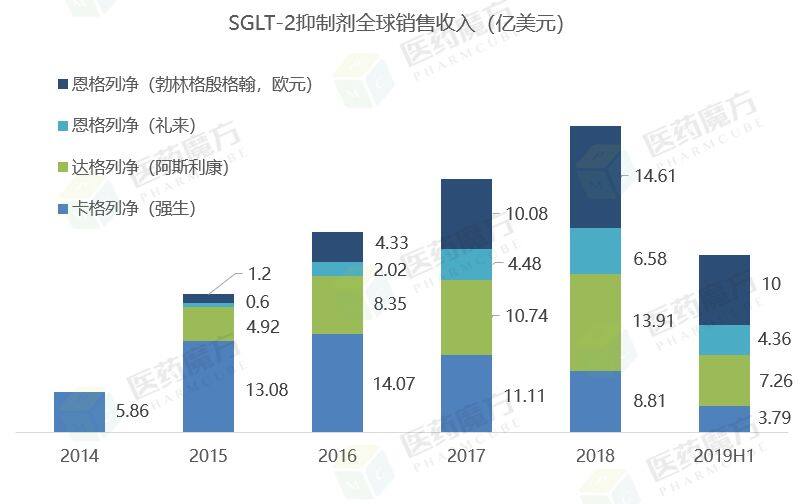
In terms of market share, although empagliflozin was the third SGLT-2 inhibitor to be launched, it secured evidence of cardiovascular benefits two years earlier than canagliflozin and dapagliflozin by leveraging the EMPA-REG OUTCOME study (in patients with type 2 diabetes at high risk for cardiovascular events, adding empagliflozin to standard care reduced the relative risk of cardiovascular death by 38% and all-cause mortality by 32%). Furthermore, it was approved by the FDA on December 2, 2016, to reduce the risk of cardiovascular events in patients with type 2 diabetes. Consequently, empagliflozin currently holds the leading position in the SGLT-2 inhibitor market, with a market share approaching 50%. Dapagliflozin has also obtained evidence of cardiovascular benefits through the landmark DECLARE trial. Although the new indication of “reducing cardiovascular events in patients with type 2 diabetes” will not be added to its labeling until the end of this year, dapagliflozin is far ahead of its competitors in the development of indications for heart failure. AstraZeneca’s latest semi-annual financial report indicates that Farxiga will submit a marketing application for the heart failure indication to the FDA in the first half of 2020. Empagliflozin is also conducting the large-scale Phase III EMPEROR program in patients with heart failure, which includes the EMPEROR-Reduced study in patients with heart failure with reduced ejection fraction (HFrEF) and the EMPEROR-Preserved study in patients with chronic heart failure with preserved ejection fraction (HFpEF). These studies primarily evaluate the efficacy of empagliflozin in reducing cardiovascular death and hospitalization for heart failure. The EMPEROR program has enrolled a total of over 8,500 patients with chronic heart failure, with the primary endpoints being the reduction of risks for cardiovascular death and heart failure hospitalization, and is expected to be completed in 2020.
Mene Pangalos, Executive Vice President and Head of BioPharmaceuticals R&D at AstraZeneca, stated, “Heart failure affects approximately 64 million people worldwide, with nearly half dying within five years of diagnosis. The FDA’s granting of Fast Track designation to dapagliflozin represents a critical step in our ambitious plan to prevent, treat, and even cure heart failure. We look forward to working closely with the FDA to develop dapagliflozin as a new treatment option for patients with heart failure.”