

From "Automatic Medical Record Writing" to "Full-Process Evidence-Based Workflow Assistant", All-In-One Clinic "Doctor Assistant 4.0" Gets Major Upgrade!

Trizen Medical
Digital One-Stop Solution Provider
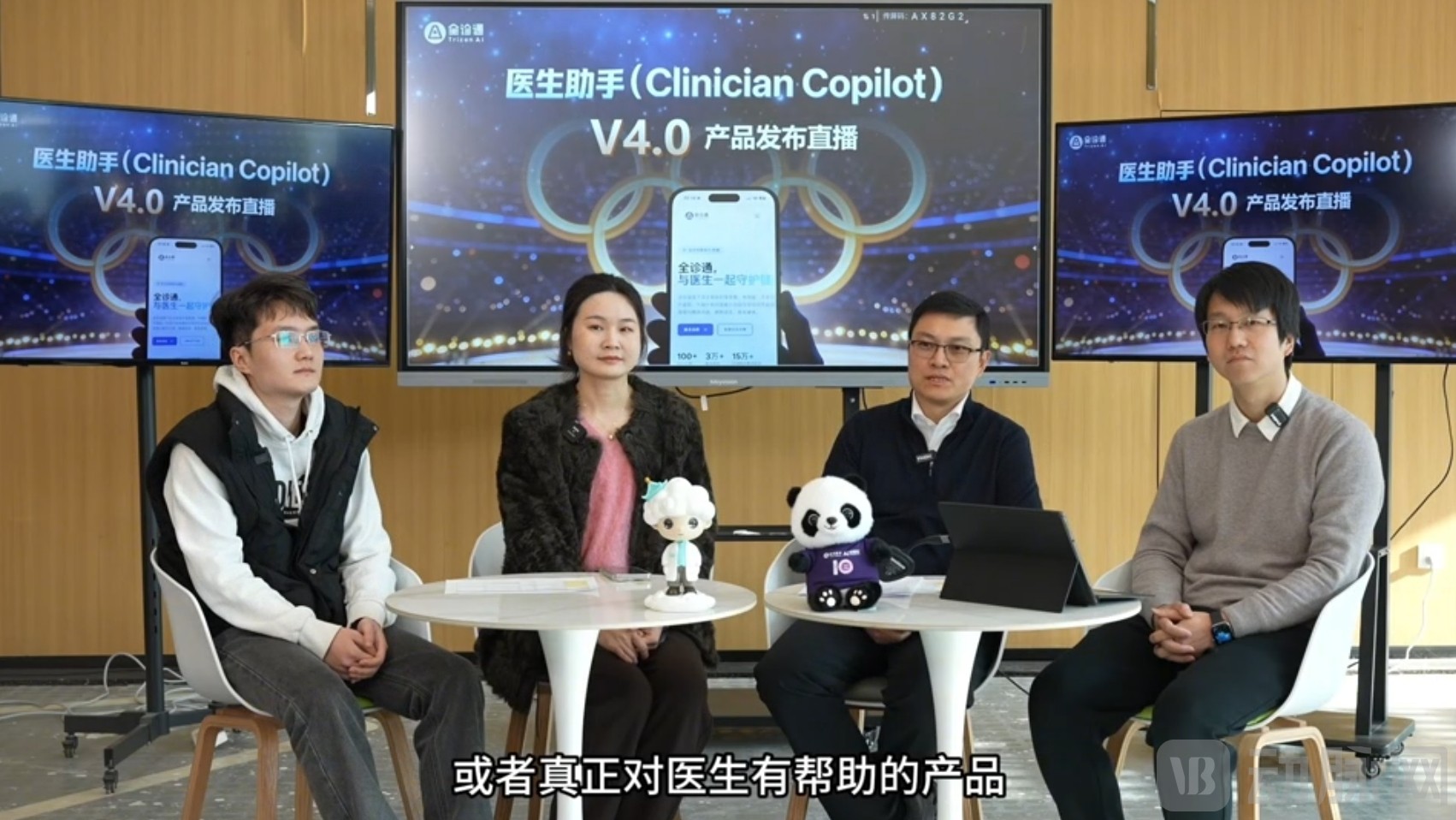
Recently, All-In-One Clinic held a product launch event for its AI product "Doctor Assistant 4.0". The event vividly demonstrated, through real-life simulations, how the upgraded product provides comprehensive and full-process support to doctors in areas such as clinical consultations, medical record documentation, decision-making assistance for diagnosis and treatment, case discussions, research paper writing, and post-hospital follow-ups.
Dr. Xue Chong, founder of All-In-One Clinic, emphasized: "The core upgrade of version 4.0 is not a single-function enhancement, butUpgrade AI from a chat-based tool to a workflow assistant"So that doctors can complete clinical and research tasks more efficiently in a real-world setting."
Starting from real outpatient dialogues: imperceptible data collection, multimodal input,
Generate Structured Medical Records in Seconds
Medical Record Writing, remains the primary application scenario for "Doctor Assistant 4.0."
At the press conference, the core R&D team of All-In-One Clinic took on the roles of doctors and patients respectively, simulating real-life outpatient consultation scenarios to demonstrate how "Doctor Assistant 4.0" can instantly generate a structured outpatient medical record simply through recordings of doctor-patient conversations and photos of test results.
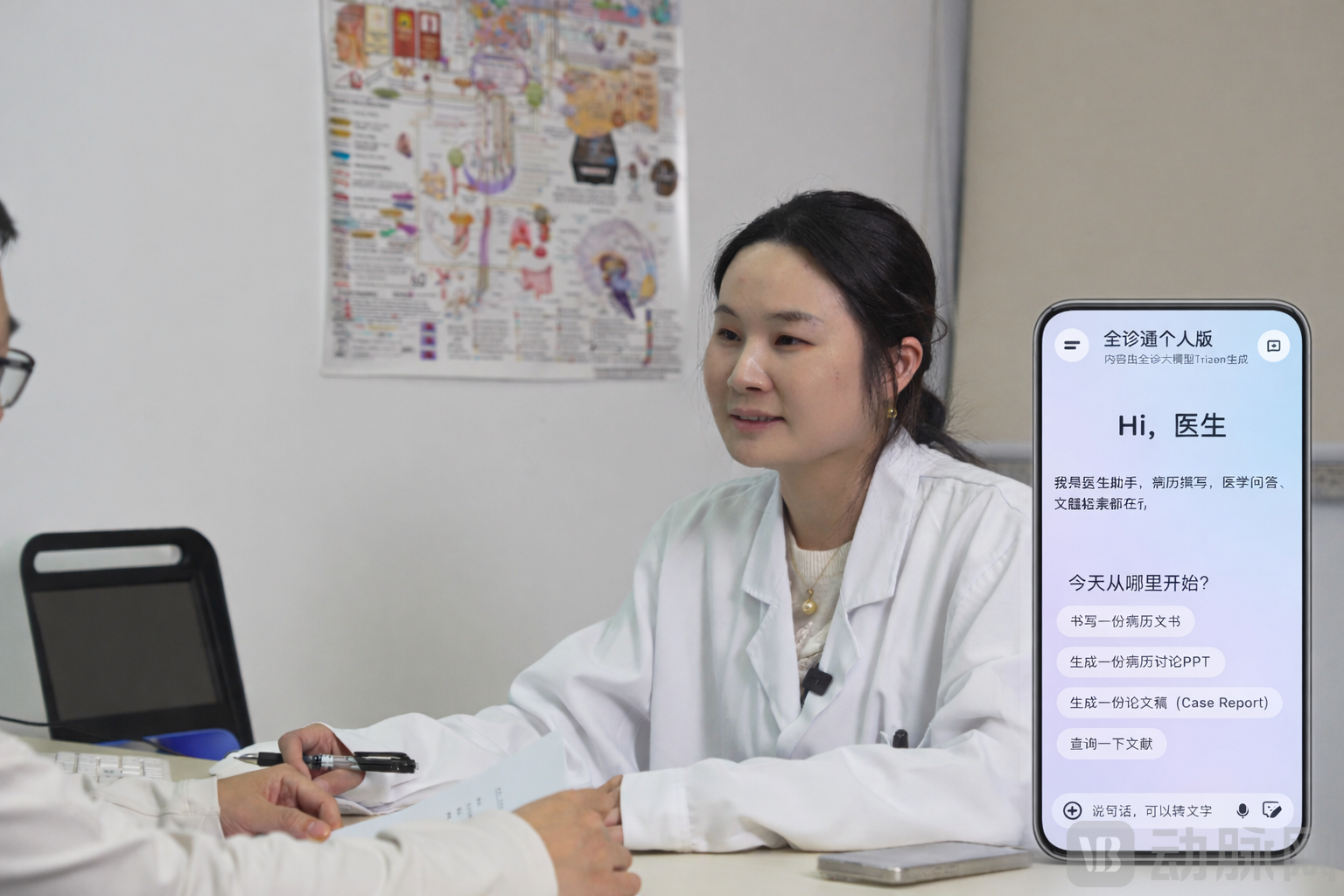
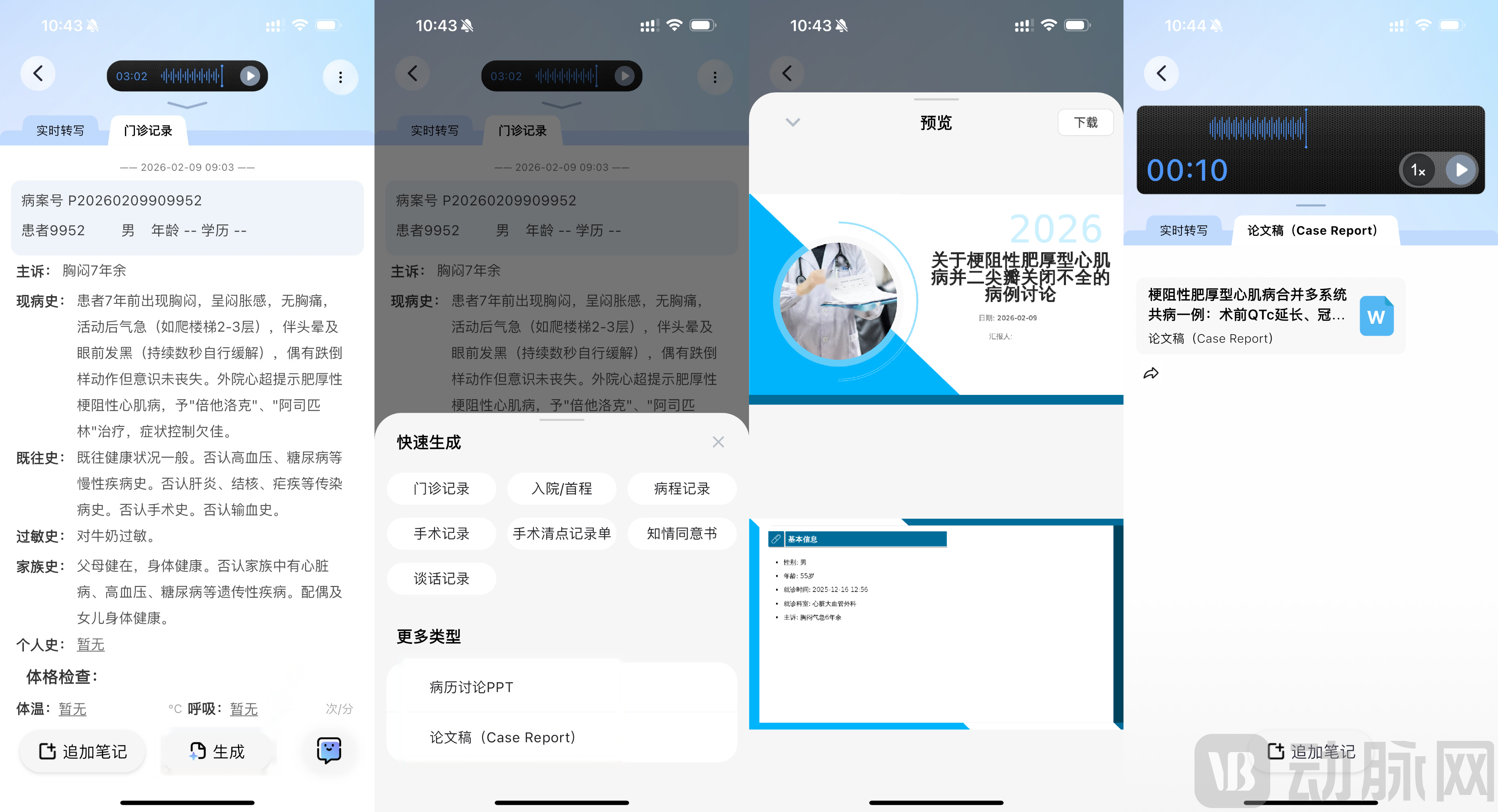
From the live demonstration, we learned that All-In-One Clinic "Doctor Assistant 4.0" has at least three highlights in medical record writing: the first isCan achieve full-process seamless data collectionDuring the on-site scenario simulation, doctors only need to tap the All-In-One Clinic APP on their mobile devices to start recording, capturing the doctor-patient conversation. The system automatically extracts key information such as chief complaints, present illness history, past medical history, allergy history, and family history from the recorded dialogue, and generates a complete medical record automatically according to the specialized templates. This not only significantly improves the efficiency and standardization of medical record documentation but also enables the seamless collection of doctor-patient conversations without altering the doctor's consultation habits, enhancing the user experience and willingness to use.
The second isSupports Multi-Modal Data InputIn addition to the non-perceptual collection of doctor-patient conversations, doctors can also use the camera function of the All-In-One Clinic APP on their mobile phones to take pictures of patients' echocardiograms, electrocardiograms, CT scans, lab reports, and other examination materials. The system can then automatically read the patients' test results. Moreover, within the hospital environment, the system can also connect with the hospital’s system under compliant conditions to directly retrieve relevant data. This not only enriches the comprehensiveness of the patients’ medical records but also provides solid and extensive data support for subsequent clinical decision-making assistance.
The third is the extremely short time taken to generate medical records. According to the live demonstration at the press conference, a medical record containing multiple examination materials was generated in just 3-5 seconds, perfectly meeting the efficiency requirements of being "immediately usable" in outpatient and inpatient settings.
4.0 Key Upgrade: Treatment Recommendations "With Evidence," Introducing Guidelines and Journal Literature Support
In addition to medical record generation, evidence-based support and clinical risk warning for diagnosis and treatment are also key upgrades for "Doctor Assistant 4.0" by All-In-One Clinic.
The team pointed out that previous AI-driven medical recommendations mostly relied on the model's own reasoning, which posed challenges in ensuring synchronization with the latest guidelines and traceability of references. To address this, All-In-One Clinic's "Doctor Assistant 4.0" has incorporated a "literature and guideline retrieval" function into diagnosis, medication, and examination recommendation processes. During application, the system provides reference sources alongside its suggestions, includingClinical Guidelines and Recent Journal Studies, and under the recommendation itemAttached reference clues。
During the live demonstration, the system provided multiple source annotations in its drug and examination recommendations, presenting updated guidelines and research from recent years as support. The team believes that this "recommendation + evidence" presentation method,Help doctors quickly complete information retrieval and assess the reliability of recommendations., and further trace back to the original text when necessary.
Risk Warning Embedded in the Diagnosis and Treatment Process: Critical Values and Risk Alerts Presented Simultaneously
In addition to evidence-based recommendations, version 4.0 also incorporates risk alert capabilities during the diagnosis and treatment process. In the demonstration case, the system provides early warning alerts for potential abnormal indicators based on laboratory tests and vital signs information, and offers auxiliary assessment results such as VTE risk.
The team stated that the risk early warning system is designed to meet the clinical need of "no critical and severe cases or risk signals can be missed," aiming to help doctors detect key signals earlier in high-pressure environments, improving safety and efficiency.
Three-Minute Generation of Case Discussion PPT: Structured Reporting Materials for MDT and Complex Case Discussions
Discussion of difficult medical cases is also a key focus in clinical work.
The team pointed out that in real clinical settings, difficult cases often need to be discussed in general practice or multidisciplinary team (MDT) meetings. Doctors usually have to organize materials, create PPTs, and review literature after work, which is time-consuming. However, the "Doctor Assistant 4.0" of All-In-One Clinic provides a "one-click generate case discussion PPT" function, which can automatically extract core abstracts, auxiliary examinations, imaging highlights, admission diagnoses, and treatment processes from medical records, and generate report materials in a common format for discussing difficult cases.
During the live demonstration, the system completed the initial draft of the PPT within minutes and added the commonly discussed "literature review" section of the meeting—incorporating key points from relevant studies along with original source references into the report materials, making it convenient for doctors to verify and cite.
The team emphasized that the generation of PPTs does not replace doctors' judgment but significantly reduces the time spent on mechanical organization and typesetting.Allow doctors to focus more on clinical reasoning and conference discussions.
From "Lecture on Cases" to "Publish Cases": Automatic Generation of Case Report Drafts Lowers the Barrier for Scientific Writing
In addition, clinical case reports are an important form for disseminating experiences on rare and difficult diseases, but for frontline doctors, writing them often takes a long time and requires a clear structure, making it easy to set aside due to time constraints.
Therefore, to support doctors in scientific research writing, All-In-One Clinic's "Doctor Assistant 4.0" provides a one-click manuscript generation capability based on case information: the system can organize case characteristics, examination results, and treatment key points into a preliminary draft of a paper that conforms to the case report writing structure, and generate a reference list, providing foundational text for subsequent refinement and submission.
The team stated that the AI generates the first draft and framework, but doctors still need to verify key facts, revise logic, and refine academic expression. However, the overall time span of "from clinical practice to article completion" can be significantly shortened.
Follow-up from "Manual Record-keeping" to "Intelligent Planning": Follow-up Reminders, Education, Efficacy Assessment, and WeChat Alerts
Apart from medical record writing, clinical diagnosis and treatment, and scientific research work, in today's increasing emphasis on the full-cycle management of diseases, especially complex and rare diseases, the comprehensive cycle management for patients, particularly post-hospital follow-up management, is becoming an essential part of healthcare professionals' responsibilities.
However, traditional follow-ups rely on manual recording, phone calls, or WeChat contact, which can easily be interrupted due to insufficient manpower. All-In-One Clinic's "Doctor Assistant 4.0" introduces an "Automatic Follow-up Plan," which can build patient profiles based on medical records.Generate Follow-up Reminders, Health Education, and Efficacy Evaluation Plans, and support doctors in modifying the dialogue and time nodes.
On the WeChat side, the team demonstrated the use of an AI assistant in follow-up groups: When patients raise questions about symptom changes or medication in the group, the AI can first provide standardized responses and reassurance. If new symptoms, emotional risks, or potential worsening signals are identified, the AI sends an alert to the doctor, prompting timely intervention. The team believes this mechanism helps improve follow-up coverage and response speed while also accumulating more continuous data records for clinical research.
In-Hospital Deployment: Copilot Plugin Integration with EMR/HIS, Field-Level Rewriting and Intelligent Medical Insurance Coding Implementation
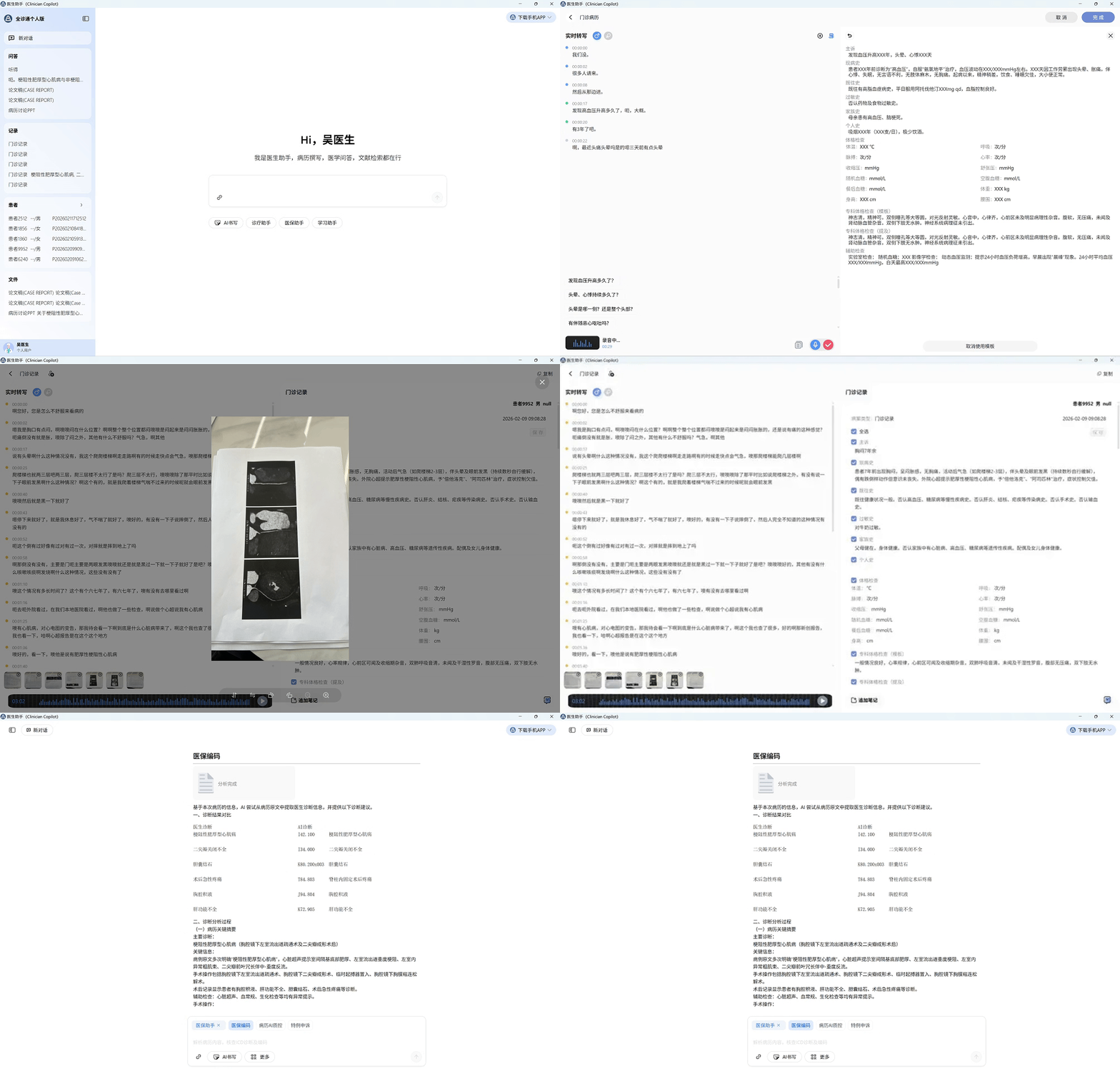
According to the press conference, All-In-One Clinic "Doctor Assistant 4.0" has two product forms for in-hospital use scenarios. The mobile APP is used for bedside or non-office environments; the in-hospital computer end can seamlessly connect with the electronic medical record system through the Copilot plugin, achieving function and data interoperability.
At the same time, All-In-One Clinic "Doctor Assistant 4.0" has added a large-screen mode for in-hospital interaction, supported doctors to customize templates and AI rewriting, and provided intelligent inquiry prompts that dynamically adjust prompt content as new patient information is entered. After the medical record is generated, it can be introduced into the electronic medical record system by one click at the field level, reducing repeated input.
In addition, the press conference also highlighted the related functions of the "Intelligent Medical Insurance Coding Agent." Clinical diagnosis and medical insurance coding belong to different knowledge systems, and coding deviations may lead to audit risks and economic losses. All-In-One Clinic "Doctor Assistant 4.0"Through the agent reading the entire medical record, deducing primary and secondary diagnosis codes, and conducting a second review.;In special cases, exceptional appeal reasons can also be generated.`, providing compliance support for hospitals.`
The team stated that reasoning and computation for in-hospital data can be completed within a privatized deployment environment to meet the security requirement of "data not leaving the hospital."
From Chatbot to Workbot: Embedding AI into Doctors' Workflow as a "Truly Productive Assistant"
In addition to the aforementioned features, the launch event also showcased the chat-style Q&A capabilities built into All-In-One Clinic’s "Doctor Assistant 4.0": Under the same patient data context, doctors can ask the system questions about differential diagnosis points, differences in tests and examinations, treatment strategies, and more. During the demonstration, a doctor asked about the differentiation and treatment differences between obstructive and non-obstructive hypertrophic cardiomyopathy. After retrieving relevant information, the system provided a structured response and prompted that further literature abstracts and original article references could be reviewed.
It needs to be emphasized that All-In-One Clinic does not consider the chatbot as its core selling point, but rather embeds the Q&A capability into specific cases and workflows. This is a microcosm of the positioning of "Doctor Assistant 4.0" by All-In-One Clinic — during the product launch, it was clearly stated that compared to traditional general AI's focus on "Q&A-style chatting," Doctor Assistant 4.0 places greater emphasis on "workflow integration." By utilizing seamless data collection and one-click commands, it connects medical record writing, evidence-based retrieval, risk alerts, meeting reports, scientific research writing, and follow-up management, forming an AI assistant that covers the entire diagnosis and treatment process.
The team stated that in the future, they will continue to promote version upgrades for hospitals they have collaborated with, and further expand the capabilities of customized intelligent systems within hospitals and clinical application scenarios in subsequent iterations. At the end of the launch event, the team previewed that they would continue to release subsequent version updates to enhance doctors' work efficiency and medical service quality in a way that better aligns with real clinical needs.
Currently, the upgraded version 4.0 of the All-In-One Clinic APP has been officially launched. Welcome to search for "All-In-One Clinic" in major app markets to download and experience.