September 23, 2019/
BioonBIOON/--British pharmaceutical giant
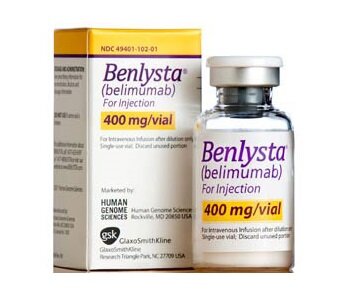
GlaxoSmithKline(GSK) recently announced that the Committee for Medicinal Products for Human Use (CHMP) of the European Medicines Agency (EMA) has issued a positive opinion, recommending approval of the intravenous (IV) formulation of Benlysta (Chinese brand name: Beiliteng; generic name: belimumab; belimumab for injection) as an add-on therapy for the treatment of active, autoantibody-positive systemic lupus erythematosus in patients aged ≥5 years with high disease activity.
Lupus Erythematosus(SLE) patients.
Now, the CHMP opinion will be submitted to the European Commission (EC), which will make a final review decision within the next 2–3 months. If approved, Benlysta will become the first medicine in Europe specifically developed and authorized for the treatment of systemic lupus erythematosus (SLE) in children aged 5 years and older. In the United States, the intravenous (IV) formulation of Benlysta was approved in late April this year.
FDAApproved for pediatric SLE patients aged 5 years and older, it has become the only medication specifically approved for the treatment of both adult and pediatric SLE. This drug is a fully human monoclonal antibody administered intravenously, which inhibits the proliferation and differentiation of B cells and induces autoreactive B
Apoptosis, thereby reducing autoantibodies in the serum to achieve the therapeutic goal of treating SLE.
In China, Benlysta (倍力腾, belimumab for injection) was approved this July. As the first biologic agent globally approved for the treatment of SLE, Benlysta has now been authorized in China for use in combination with standard therapy in adult patients with active, autoantibody-positive SLE who continue to exhibit high disease activity despite standard treatment.
The CHMP’s positive opinion is based on data from a post-approval commitment study (the PLUTO study). This study evaluated the efficacy, safety, and pharmacokinetics of one-year treatment with Benlysta at a dose of 10 mg/kg in combination with standard therapy versus placebo plus standard therapy in pediatric SLE patients aged 5–11 years (n=13) and 12–17 years (n=80).
According to systemic
Lupus ErythematosusSystemic Lupus Erythematosus Responder Index (SRI) Response Rate Assessment: At 52 weeks, the proportion of pediatric patients achieving a clinically meaningful improvement in disease activity was numerically higher among those receiving Benlysta plus standard of care (52.8%) compared to those receiving placebo plus standard of care (43.6%). The proportions of patients experiencing more than one adverse event (AE) and at least one serious adverse event (SAE) were 79.2% and 17.0%, respectively, in the Benlysta group, versus 82.5% and 35.0%, respectively, in the placebo group. No new safety signals were observed in the pediatric population aged 12 years and older (n=80); safety data for children under 12 years of age (n=13) were limited.
Systemic
Lupus Erythematosus(SLE) is the most common type of lupus, accounting for approximately 70% of the roughly 5 million lupus cases worldwide; it is a chronic, incurable
Autoimmunityautoimmune disease, in which patients produce autoantibodies that attack any tissue in the body. If the condition is not controlled, it can lead to severe symptoms, including long-term organ damage and even premature death. The disease also has a significant impact on the patient's physical and mental health. Compared with adult-onset SLE, pediatric SLE often
DiagnosisMore active disease is present both at onset and thereafter. Compared with adult-onset SLE, pediatric SLE is associated with more rapid accrual of damage and higher incidence. It is estimated that 3,000–6,000 children aged 5–17 years in the European Union have SLE.
Benlysta is the first specific inhibitor of B lymphocyte stimulator (BLyS). It blocks the binding of soluble BLyS, a B-cell survival factor, to BLyS receptors on B cells. Benlysta does not bind directly to B cells; however, by binding to BLyS, it inhibits the survival of B cells, including autoreactive B cells, and reduces their differentiation into plasma cells that produce immunoglobulins. Benlysta reduces the number of abnormal B lymphocytes that exacerbate lupus. These abnormal B lymphocytes cause the immune system to mistakenly attack blood vessels and other healthy tissues, leading to lupus and other autoimmune diseases.
Benlysta is the first new drug approved for the treatment of SLE in over 50 years. It is available in two formulations: intravenous (IV) and subcutaneous (SC). The IV formulation is administered via intravenous infusion once every 4 weeks, with the dose adjusted based on body weight (10 mg/kg), and the infusion takes approximately 1 hour. The SC formulation was approved in the United States in 2017.
FDAApproved. The product is available in two forms: single-dose prefilled syringes and single-dose autoinjectors. Patients can administer subcutaneous injections themselves after training, providing an important therapeutic option for the systemic lupus erythematosus (SLE) patient population. (Bioon.com)