

T-Cure BioScience Advances First-in-Class TCR-T Therapy for Solid Tumors with IND Approval in the U.S.

T-Cure
Solid Tumor TCR-T Cell Therapy Developer
Dr. Yi Zhu, Head of Business for the Asia-Pacific region at T-Cure BioScience (hereinafter referred to as “T-Cure”), told VCBeat that this year is an anticipated one for T-Cure. Founded in 2014 and headquartered in Los Angeles, USA, T-Cure focuses on the research and development of TCR-T cell therapies for solid tumors. In 2019, after T-Cure’s first-in-class TCR product received Investigational New Drug (IND) approval in the United States, it successfully initiated Phase I clinical trials. Meanwhile, according to Dr. Zhu, the company plans to submit a second IND application to the U.S. Food and Drug Administration (FDA) for another pipeline product by the end of this year.
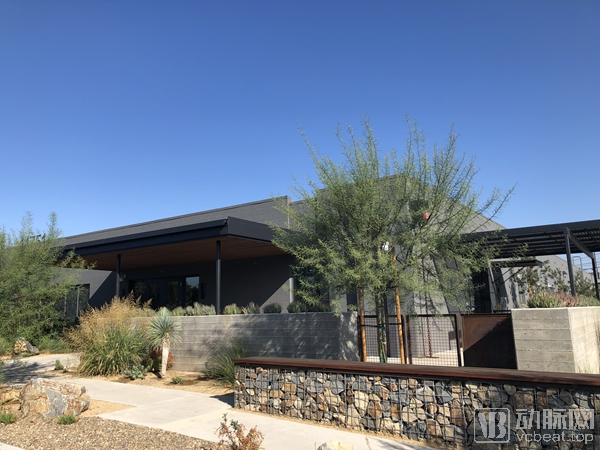
Figure: T-Cure BioScience’s U.S. headquarters is located in the Los Angeles biotech cluster, a new hub for cell therapy.
“Choosing to enter the field of tumor immunology through TCR is based on the team’s years of research and achievements in this area,” stated Yi Zhu. In 1997, after earning his PhD, Dr. Gang Zeng, CEO and Chairman of T-Cure, joined the National Cancer Institute (NCI), where he studied under Steve Rosenberg, a pioneer in cell therapy. During a cell therapy trial for a melanoma patient, Dr. Zeng and his team were the first to clone the well-known human solid tumor target NY-ESO-1 using T cells. In 2002, Dr. Zeng became a professor at the University of California, Los Angeles (UCLA), continuing his in-depth research into cellular immunotherapy. In 2014, with the assistance of a lawyer friend, Dr. Zeng founded T-Cure and subsequently launched its proprietary TCR screening platform—the iSORT platform. Thus, Dr. Zeng became only the second founder of a cell therapy company among Professor Rosenberg’s more than 300 students over the past 45 years; the other is Arie Belldegrun, Founder and President of Kite Pharma. The founding members of T-Cure also include two other former scientists from Steve Rosenberg’s laboratory, Dr. Han Ying and Dr. Nishimura; former Bayer Pharmaceuticals executive Dr. Gordon Parry (currently serving full-time as Senior Vice President of Drug R&D); and former UBS investment banker Mr. Rutland Baker (currently serving full-time as Vice President of Finance and Administration).
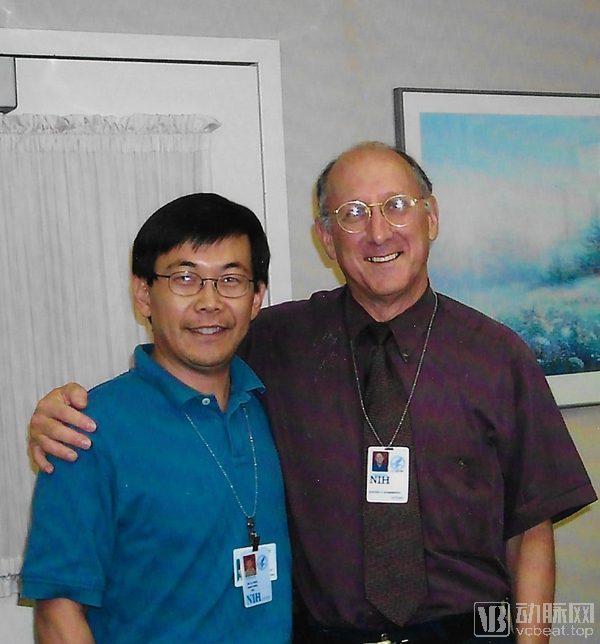
Figure: Photo of Gang Zeng and Steve Rosenberg
Cell therapy is an important branch of tumor immunotherapy, and cell therapies such as CAR-T, TCR-T, and TIL have also received widespread attention. CAR-T therapy has demonstrated excellent potential in the field of hematologic malignancies treatment. With the FDA's successive approvals of Novartis' CAR-T drug Kymriah and Kite Pharma's CAR-T drug Yescarta for market launch, domestic pharmaceutical companies have also entered the CAR-T therapy field, with multiple companies obtaining clinical trial approvals for CAR-T. Meanwhile, CAR-T therapy is also highly sought after by overseas companies. According to a report by Evaluate, there are over one hundred clinical studies on CAR-T therapies abroad, with more than 90% of the products still in Phase II or earlier stages.
From a market perspective, global competition in the CAR-T sector is extremely fierce. On another front of cell therapy, pharmaceutical giants such as GlaxoSmithKline, Roche, and Eli Lilly have quietly entered the TCR-T arena.
In January 2019, Roche (Genentech/Roche) announced a collaboration with Adaptive Biotechnologies, with a total value of up to $2 billion. Adaptive will leverage its TCR discovery and immune profiling platform, TruTCR, to identify the optimal T-cell antigen receptors in patients, enabling effective personalized therapies targeting each patient’s specific antigens.
In 2016, Bluebird bio entered into a collaboration with the German biotechnology company Medigene, whereby Medigene would leverage its proprietary TCR-T platform to screen four target TCR candidates for Bluebird. Bluebird would obtain exclusive licenses for the corresponding TCR candidates, along with rights for their preclinical and clinical development. In 2018, Bluebird and Medigene expanded the scope of their collaboration, increasing the number of collaborative programs to six, with a total deal value reaching up to $1.5 billion.
In May 2015, Eli Lilly and the German biotechnology company BioNTech reached a collaboration agreement on TCR/CAR research, with a total deal value of up to $360 million.
In 2018, GlaxoSmithKline (GSK) implemented the strategic collaboration and licensing agreement previously reached with the UK-based biotechnology company Adaptimmune, securing exclusive rights to develop and commercialize GSK’794, an NY-ESO-1-targeted therapy, for a total consideration exceeding $500 million. GSK’794 has received orphan drug designation from the U.S. Food and Drug Administration (FDA). Hal Barron, GSK’s Chief Scientific Officer, stated that GSK’794 is the first T-cell therapy to demonstrate efficacy in the treatment of solid tumors.
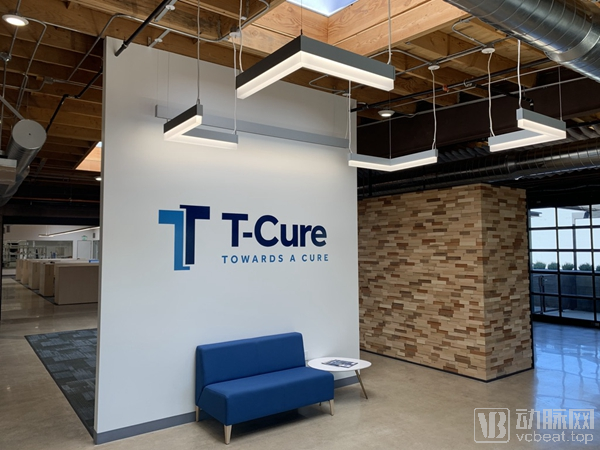
Figure: Interior view of T-Cure BioScience's U.S. headquarters
From these industry collaborations, it is evident that pharmaceutical giants are more inclined to partner with companies possessing TCR screening platforms to develop TCR pipelines targeting specific tumors. “Similar to the rise of antibody screening technology two decades ago, TCR-T therapy requires the screening of suitable TCRs from a library to produce TCR-T products targeted at specific tumors. We are also one of the few companies globally capable of directly screening and validating tumor-specific, fully human TCR platforms,” stated Zhu Yi.
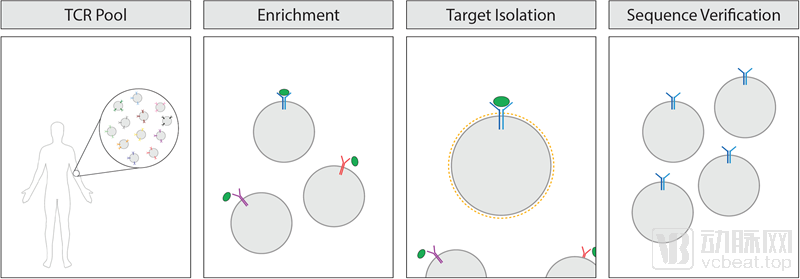
Figure: Simplified Flowchart of the iSORT Platform
A commonality between T cell receptor-engineered T cell technology (TCR-T) and chimeric antigen receptor T cell technology (CAR-T) is that both employ genetic engineering to enhance T cells’ ability to recognize and attack specific cancer cell antigens. “Based on existing clinical study results, CAR-T therapy, which utilizes traditional antibody molecules as its targeting tool, has demonstrated favorable response rates only in the treatment of hematologic malignancies, while showing suboptimal efficacy against solid tumors, which account for more than 90% of all cancer cases,” stated Zhu Yi.
“In principle, CAR-T cells identify antigens on the surface of tumor cell membranes, thereby targeting and selectively eliminating tumor cells. To date, more than ten CAR-T targets, including CD19, CD20, and BCMA, have been identified and validated as tumor cell surface antigens. However, there are over a hundred clinical studies targeting these antigens, resulting in intense market competition and limited room for further R&D. In contrast, TCR-T cells target intracellular antigens, which form peptide complexes through the binding of human leukocyte antigen (HLA) molecules with antigenic peptides. In the antibody sector, drugs targeting just over a dozen cell surface antigens have generated a market worth more than $100 billion in merely two decades. With over 1,000 intracellular tumor-associated antigens identified, leveraging TCRs to recognize these potential therapeutic targets offers substantial opportunities for innovation. Once their druggability is proven, this approach will have a profound impact on the treatment of solid tumors. Currently, only one TCR-based study in China has received clinical trial approval, indicating minimal market competition and broad prospects for R&D. These intracellular antigens can be processed and presented on the surface of tumor cells, where they are ultimately recognized by TCRs, leading to the targeted elimination of tumor cells,” explained Zhu Yi.
Following its establishment in 2014 and several years of research and development, Dr. Zeng Gang led the T-Cure team to successfully launch its proprietary TCR screening platform, the iSORT platform, in 2017. In the same year, T-Cure secured Series A funding from Legend Capital, followed by Series A+ funding in 2018.
The iSORT platform boasts a fully human, unmodified TCR library, with its inventory continuously upgraded to enable high-throughput screening of T-cell receptors (TCRs) specifically targeting antigens associated with solid tumors. Zhu Yi stated, “Human HLA antigens have multiple subtypes, and different populations express different HLA antigen subtypes. Since the iSORT platform can perform targeted, proactive screening of TCRs—specifically screening for TCRs that can target antigens by focusing on complexes formed by specific HLA antigen subtypes bound to peptides—it is possible to achieve broader population coverage by screening complexes of different HLA antigen subtypes. NY-ESO-1, a tumor-testis antigen (CTA) expressed in various tumor cells, has garnered significant attention in recent years and is highly prominent in tumor immunotherapy. Taking GSK’s TCR pipeline GSK’794 as an example, this pipeline targets only the HLA-A2 subtype, which covers merely 40% of the applicable population in the United States. Through screening on the iSORT platform, T-Cure has identified several NY-ESO-1 TCRs suitable for 90% of NY-ESO-1-positive tumor patients. However, the T-Cure team’s advantages in TCR research are not limited to this.”
Building on the iSORT platform, T-Cure has developed a portfolio of nearly ten TCR-based drug candidates targeting various solid tumors, including first-in-class products, through independent R&D and pipeline licensing. The pipeline covers multiple solid tumor indications, such as renal cell carcinoma, gastric cancer, esophageal cancer, liver cancer, lung cancer, breast cancer, and colorectal cancer.
T-Cure is a cell therapy company with a global perspective. It is currently actively seeking strategic collaborations with major pharmaceutical companies in the United States, China, South Korea, Japan, Europe, and Australia. By leveraging its iSORT platform to screen T-cell receptors (TCRs) targeting specific tumor antigens, T-Cure aims to authorize these assets to pharmaceutical partners through license-out agreements or advance its pipeline via co-development initiatives. China will serve as the primary market for T-Cure’s industrialization and commercialization efforts.
T-Cure is seeking Series B financing to advance its Phase I clinical pipeline and file Investigational New Drug (IND) applications for other TCR candidates under development. Meanwhile, the company is actively pursuing strategic partnerships in China to establish a joint venture as an industrialization hub, jointly promoting the clinical development, regulatory submissions, and drug manufacturing of its TCR pipeline in China, thereby providing more and better treatment options for cancer patients in the country.