


Recently, a piece of news that has brought encouragement to practitioners and patients in the field of cardiovascular disease in China has been confirmed: the “world’s smallest pacemaker,” which was previously featured in a special report by Device Home.(Excluding use for infants)After extensive clinical studies conducted in China, it has finally received approval from the National Medical Products Administration (NMPA) and is now officially launched in the Chinese market!
A First Look at the MICRA Leadless Pacemaker System
This “world’s smallest pacemaker” is officially registered with the National Medical Products Administration (NMPA) under the name: Micra Transcatheter Leadless Pacemaker System, with registration model number MC1VR01. It is a product of Medtronic, the leading company in cardiac stents.Transcatheter Implantation of Leadless Cardiac Pacing System, consisting of an implantable pulse generator (with fixed wings) and a delivery catheter.
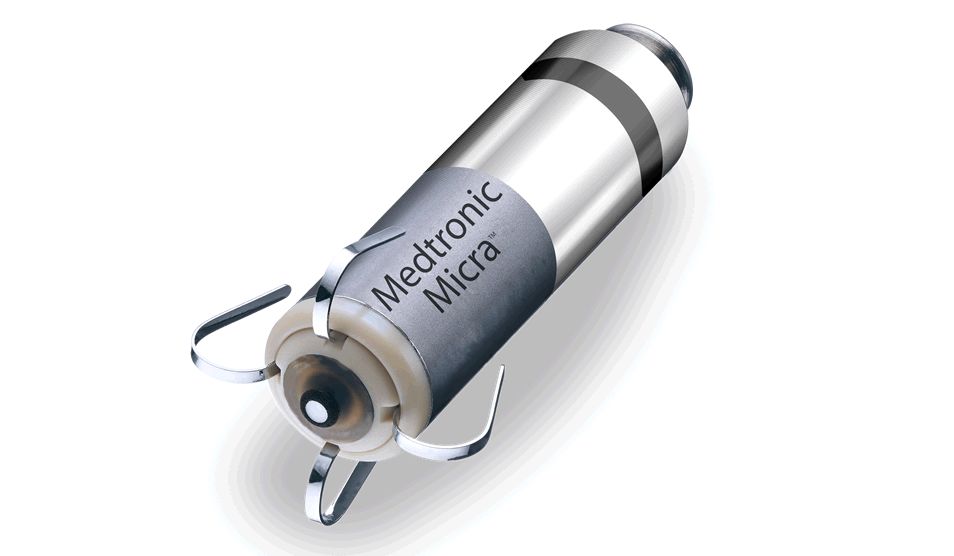
Transcatheter Implantation of Leadless Cardiac Pacing System
Humanity’s recognition that electrical current can stimulate the heart has a long history. Since 1932, when Hyman, a thoracic physician at Beth David Hospital in New York, USA, designed and built an electric pulse generator weighing as much as 7.2 kilograms, cardiac pacemakers have embarked on nearly 90 years (rounding up, it’s been almost 100 years!) of developmental evolution, advancing steadily toward miniaturization, extended longevity, and multi-chamber pacing, becoming increasingly mature in these fields.
Transcatheter implantation of leadless cardiac pacing systems is considered one of the most disruptive innovative technologies in cardiac pacemakers in recent years. Borrowing a media evaluation: “This is a revolutionary evolution of cardiac pacemakers!” Conventional implantable cardiac pacemakers consist of a pulse generator implanted under the skin of the chest and electrode leads delivered through veins into the right ventricle, which emit tiny electrical pulses to stimulate the heart to beat when needed.
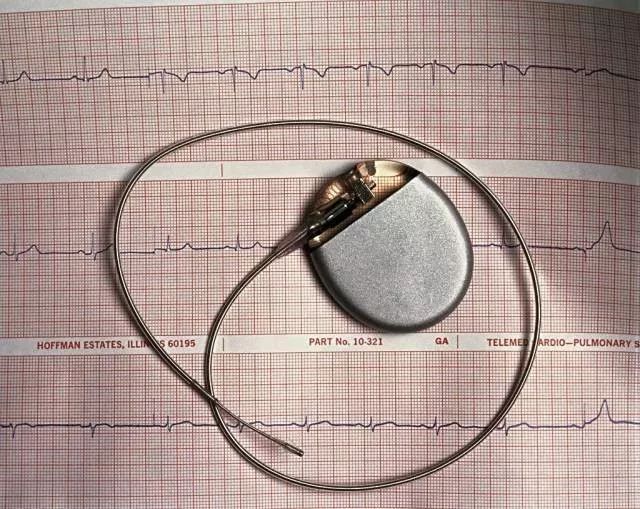
However, researchers have found in long-term clinical applications that the pulse generator plus electrode lead structure of cardiac pacemakers is prone to causingincluding hemopneumothorax, tricuspid regurgitation, lead dislodgement, perforation, lead fracture, embolism, as well as pacemaker pocket erosion and infectionA series of complications, with surveys indicating a combined incidence rate of approximately 1 in 8. Consequently, the development of leadless cardiac pacing technology has naturally garnered widespread attention within the industry.
Leadless Pacemaker: As the name suggests, it integrates the pulse generator and pacing electrode into a single unit, implanted in the patient’s heart as a miniature capsule. This approach eliminates the need for transvenous endocardial leads, subcutaneous incisions, and device pockets, fundamentally revolutionizing the implantation method of traditional pacemakers. While mitigating the risk of complications, it retains the functionality of conventional single-chamber ventricular pacemakers.A revolutionary evolution in the field of cardiac rhythm management.
Micra Transcatheter Leadless Pacemaker System
Medtronic's Micra is precisely such a leadless pacemaker imbued with revolutionary innovative DNA,Micra adoptsMade of nickel-titanium alloy, it can sense the patient's cardiac electrical activity within the right ventricle, monitor bradycardic rhythms, and provide pacing therapy for bradycardia. MeanwhileMicra alsoIt is a magnetic resonance (MR) Conditional transvenous implantable single-chamber pacing system. Under the specific conditions specified by the manufacturer and with special precautions taken for both the patient and the implanted device, patients may undergo whole-body magnetic resonance imaging (MRI) examinations at field strengths of 1.5T and 3.0T.(Not applicable to local transmit coil imaging)。
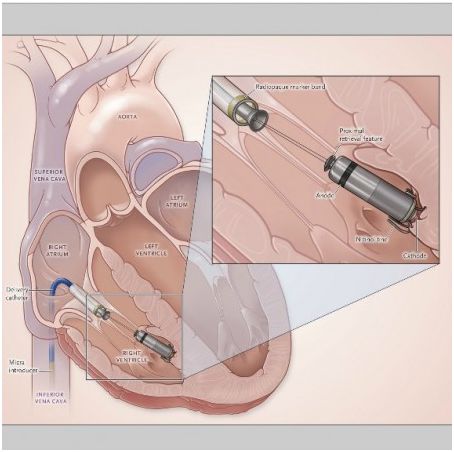
Schematic Diagram of the Micra Transcatheter Pacing System (TPS)
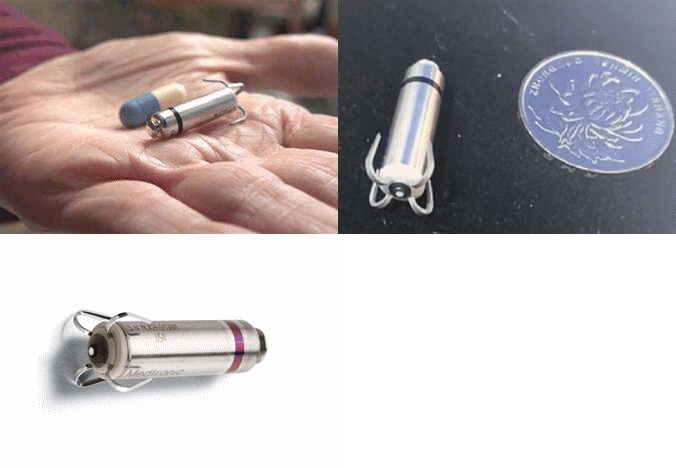
Micra Transcatheter Pacing System is currentlyThe World's Smallest Cardiac Pacemaker, measuring 25.9 mm in length, with a volume of 1.0 cubic centimeter and weighing only 2 grams, representing a 90% reduction in volume compared to traditional cardiac pacemakers, and being only about the size of a coin.
Additionally, the Micra device can be delivered via femoral vein puncture to the heart chamber and implanted into the right ventricle. Being leadless, this minimally invasive interventional procedure takes only half the time of traditional pacemaker implantation surgery.(Approximately 30 minutes),Compared with traditional pacemakers, major complications are reduced by approximately 51%.Currently, Micra is one of only two implantable leadless pacing systems worldwide, complementing Abbott’s Nanostim pacemaker.
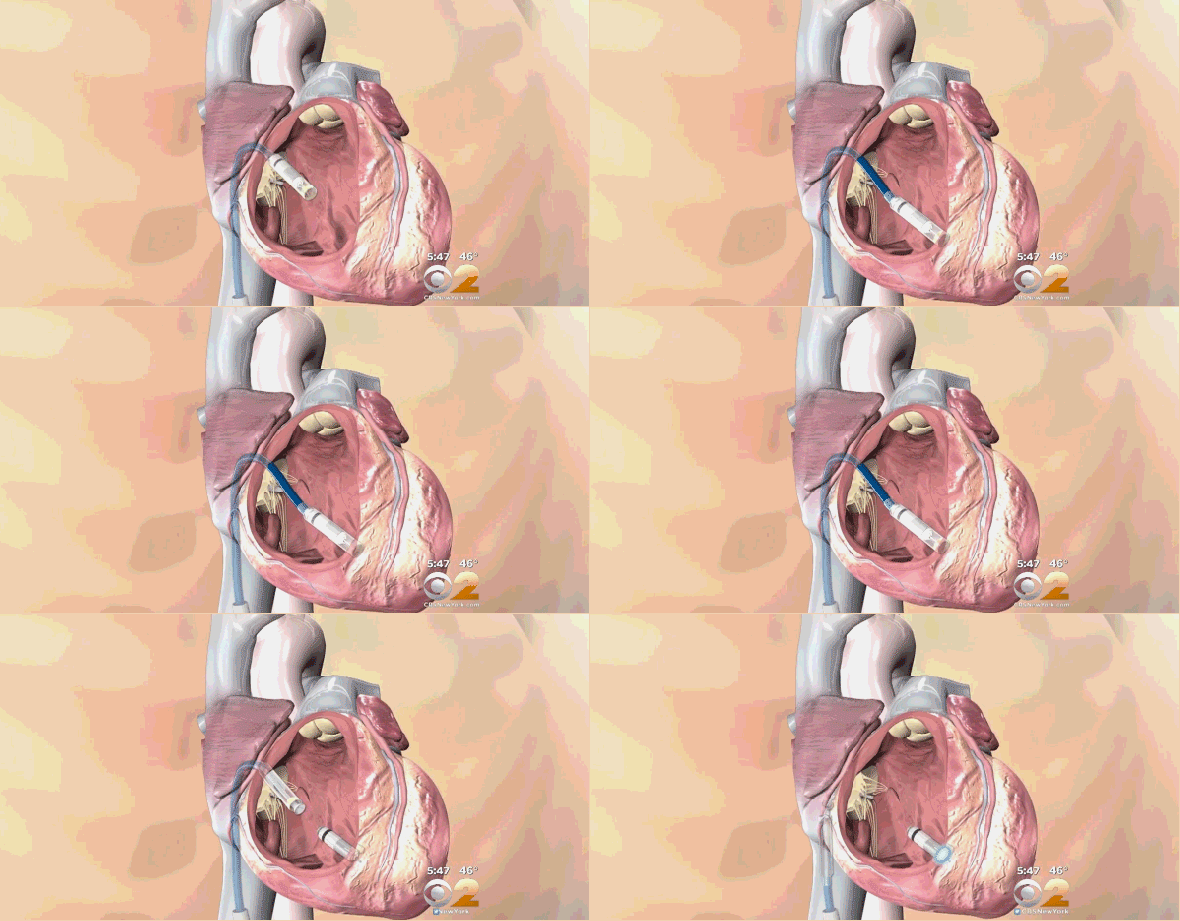
Nanostim Pacemaker
The Nanostim pacemaker was initially launched by Nanostim, Inc., a company founded in Sunnyvale, California. After receiving CE certification in 2013, it was acquired by St. Jude Medical for $123 million. Following Abbott’s acquisition of St. Jude Medical, the Nanostim leadless pacemaker became part of Abbott’s cardiac rhythm management product portfolio. The device is rod-shaped, approximately the size of a No. 7 battery, and is implanted into the apex of the right ventricle via a steerable catheter through the femoral vein. Despite its compact size, the Nanostim pacemaker has a lifespan no shorter than that of conventional pacemakers, lasting up to 9.8 years under 100% pacing conditions.
Editor's Note:The Micra leadless pacing system received EU approval in 2015 and FDA approval in 2016, with over 20,000 implants worldwide. Following its approval by the NMPA, it is poised to accelerate the replacement of traditional implantable cardiac pacemakers in China and further stimulate domestic medical device companies such as MicroPort Medical, Lepu Medical, and Lifetech Scientific to expedite their R&D efforts, thereby optimizing local substitution.
Source: MedTech Home
Follow Our WeChat Official Account
Get More Information
