


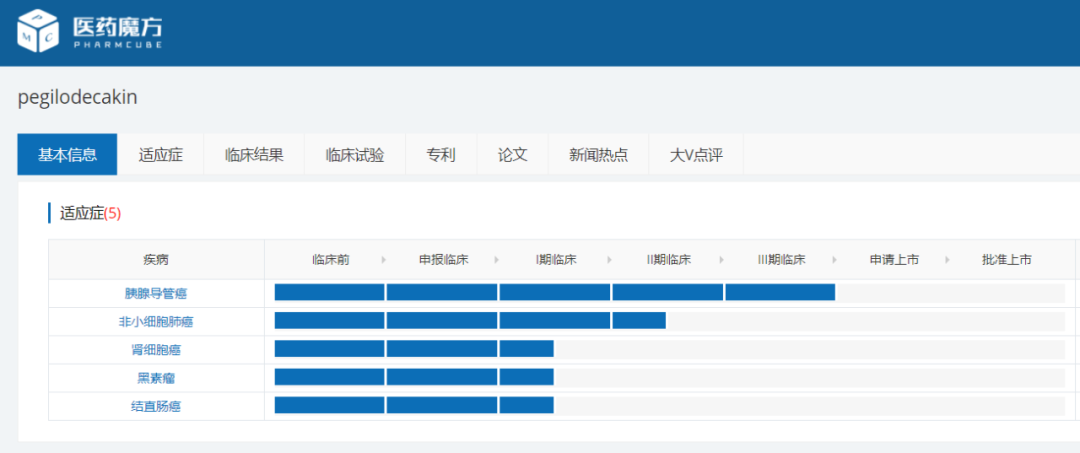
On October 16, Eli Lilly announced the primary results from the Phase III SEQUOIA study. In patients with metastatic pancreatic cancer whose disease had progressed after first-line gemcitabine-based therapy, treatment with pegilodecakin (pegylated IL-10) plus FOLFOX (folinic acid, 5-fluorouracil, and oxaliplatin) failed to improve overall survival compared with FOLFOX alone; the study did not meet its primary endpoint.
Grade 3/4 adverse events that were more than 5% higher in the pegilodecakin + FOLFOX regimen group than in the FOLFOX-alone group included neutrophilia, thrombocytopenia, fatigue, and anemia. Detailed efficacy and safety data will be presented at future academic conferences.
Maura Dickler, Head of Late-Stage Development in Eli Lilly’s Oncology Division, stated, “We are disappointed with the results of the SEQUOIA study. At the same time, we look forward to the upcoming clinical data on pegilodecakin in lung cancer, which will enhance our understanding of its mechanism of action in cancer immunotherapy.”
Source: NextPharma
In June 2018, Eli Lilly acquired ARMO BioSciences, which had been publicly listed for only four months, in an all-cash deal worth $1.6 billion, thereby securing a portfolio of oncology immunotherapy assets including AM0010 (pegilodecakin, PEG-IL-10), AM0001 (PD-1), AM0015 (IL-15), and AM0012 (IL-12) to strengthen its own oncology business. Among these, pegilodecakin was the most advanced and garnered the greatest attention.
Pegilodecakin is a pegylated recombinant human interleukin-10, also known as long-acting IL-10. It can stimulate CD8+ T cells in the tumor microenvironment, promoting the survival, expansion, and cytotoxic activity of CD8+ T immune cells against tumors, while simultaneously suppressing inflammatory responses elsewhere in the body. Data from Phase I/Ib trials in solid tumors, released in March 2017, showed that pegilodecakin, whether used as monotherapy or in combination with chemotherapy or immune checkpoint inhibitors, yielded positive results in pancreatic ductal adenocarcinoma, non-small cell lung cancer (NSCLC), and renal cell carcinoma. Consequently, ARMO initiated the Phase III SEQUOIA study of pegilodecakin.
The Phase II CYPRESS 1 and CYPRESS 2 studies evaluating pegilodecakin in combination with immune checkpoint inhibitors for the treatment of non-small cell lung cancer (NSCLC) were initiated in March 2018, are ongoing, and are scheduled to be completed in early 2020. Regarding the subsequent clinical development plan for pegilodecakin, Eli Lilly stated that it would focus on assessing biomarkers and conducting trials in indications such as NSCLC and renal cell carcinoma.
Metastatic pancreatic cancer is one of the deadliest cancers, with a 5-year survival rate of only 3% for patients diagnosed with metastatic disease in the United States. Pancreatic cancer currently ranks as the third leading cause of cancer-related deaths in the U.S. and is projected to rise to the second position within the next decade. Globally, it is the seventh leading cause of cancer mortality.
The poor prognosis of pancreatic cancer is attributable to multiple factors. On one hand, early diagnosis is extremely challenging due to the absence of palpable tumor masses or early clinical symptoms. Furthermore, the high cost of effective screening methods limits their widespread adoption, resulting in most patients being diagnosed at an advanced, metastatic stage, thereby missing the opportunity for "early treatment and cure." On the other hand, the tumor microenvironment in pancreatic cancer is highly complex. Tumor cells are shielded by a dense stromal "protective barrier" (composed of components such as hyaluronic acid), which impedes the efficacy of both chemotherapy and immunotherapy agents.