

CMEF 2019 Autumn Expo: Absence of Global Giants Puts Spotlight on Domestic Substitution, Intelligence, 4K, and Portable Solutions

Lepu Medical
Developer and Manufacturer of Cardiac Interventional Medical Devices and Pharmaceuticals

Angell Technology
Digital Medical Imaging Equipment Supplier

Ankon
R&D and Manufacturing of Medical Devices

WEGO
Medical Device and Pharmaceutical R&D Manufacturer
From October 19 to 22, 2019, the 82nd China Medical Equipment Fair (CMEF) Autumn 2019, themed “Intelligence Reconstructs the Future,” was held in Qingdao, Shandong Province. Although the Autumn Exhibition has less influence and a smaller scale than the Spring Exhibition, its 140,000-square-meter exhibition halls still hosted more than 3,000 brand enterprises from nearly 20 countries, showcasing up to 20,000 products. A reporter from VCBeat (WeChat ID: vcbeat) also attended the CMEF Autumn Exhibition, seeking to identify development trends in the medical device industry amidst the dazzling array of exhibits.
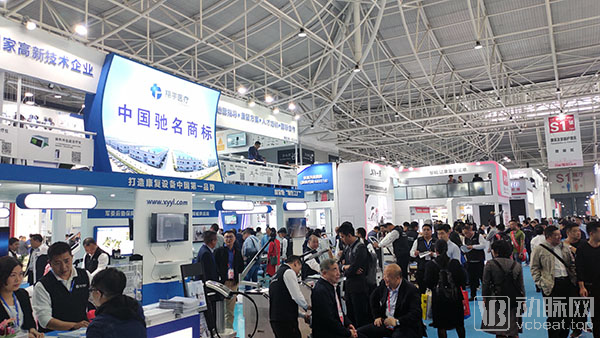
Medical Imaging: Miniaturization, Portability, and Intelligence Underway; Industry Reshuffling Intensifies, Creating Opportunities for Domestic Substitution
At this autumn CMEF, the traditional “GPS” giants remained absent, and the number of imaging manufacturers exhibiting was significantly lower than in previous years. From more than 30 brands in 2015 to fewer than 10 today, the reshuffling in the medical imaging sector is intensifying. However, precisely due to the absence of international giants and the exit of many other players, the domestic imaging manufacturers that chose to stay garnered greater attention at this CMEF.
Shanghai Electric’s acquisition of Kangda Medical was one of the biggest headlines at this year’s Autumn Exhibition, marking Kangda Medical’s transition into a state-owned enterprise. Consequently, Kangda Medical unveiled a brand-new corporate identity at this CMEF. The showcased i-M20 portable tablet color ultrasound system adopts cutting-edge intelligent hardware and software (Qualcomm processor + Android OS), featuring advanced ultrasound technology, clinical probes, and a minimalist, compact, fully touch-controlled tablet design, representing the future direction of portable ultrasound devices. Currently, this product has obtained CFDA certification and officially launched for commercial sales.
Kangda Medical also showcased its CT and MRI products on-site, including the Apsaras 0.7T and 1.5T MRI systems, the Apsaras 32-slice CT, the Opera 128 (64-row, 128-slice) medical spiral CT, Mini C-arms for hand and foot surgery, and a comprehensive dental treatment product line. As a new member of the "national team," Kangda Medical, with increased resource support, may play a more significant role in the domestic substitution of large-scale medical equipment in the future.
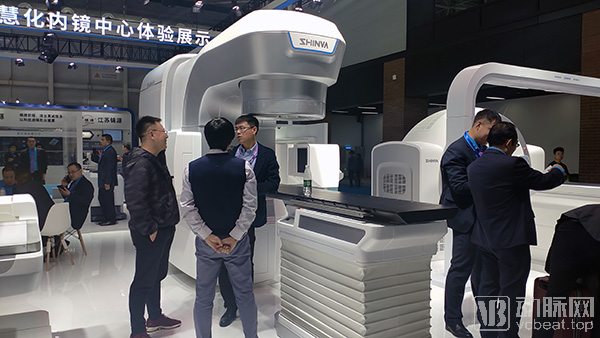
Founded in 1943, SHINVA MEDICAL INSTRUMENT CO.,LTD. serves as the president unit of the China Medical Equipment Industry Association. Since the inception of CMEF in 1979, Shinva Medical has never missed an edition. As CMEF returns to Shandong Province after a 22-year absence, Shinva Medical, headquartered in Shandong, naturally seized this excellent opportunity for showcase. Shinva Medical’s booth was the largest at the exhibition, featuring one of the most extensive ranges of products and categories. At the event, Shinva Medical showcased its 85cm-bore large-aperture spiral CT scanner dedicated to radiotherapy, as well as a high-energy medical electron linear accelerator, the latter being particularly noteworthy.
SHINVA’s high-energy medical electron linear accelerator has been included in the National Key R&D Program of the 13th Five-Year Plan. This product offers multiple selectable energy levels compared to medium-energy accelerators, thereby enabling advanced precision radiotherapy techniques such as sliding window intensity-modulated radiation therapy (IMRT), intensity-modulated arc therapy (IMAT), stereotactic radiotherapy (SRT) and stereotactic body radiation therapy (SBRT), as well as flattening filter-free (FFF) mode—all of which are considered internationally advanced. Combined with industry-leading image-guided technology and intelligent control systems, it effectively reduces side effects for tumor patients undergoing radiotherapy.
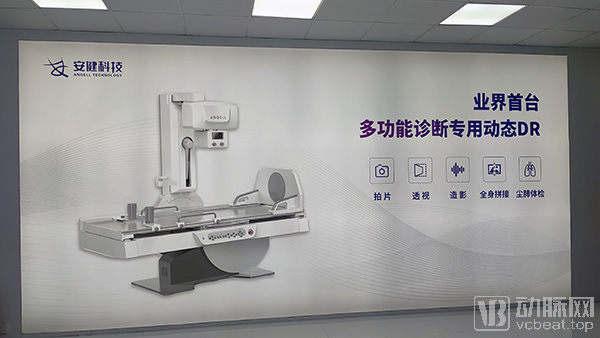
Angell Technology has been deeply engaged in the DR field for 17 years, continuously investing in technological research and development. The company has now mastered the core technologies of the five major components of DR systems, becoming one of the few domestic suppliers of digital imaging equipment with independent intellectual property rights. In 2013, Angell Technology successfully launched China’s first dynamic DR system, breaking the monopoly of imported manufacturers and emerging as a leading enterprise in the dynamic DR sector.
At this exhibition, Angell Technology unveiled the industry’s first multi-functional dynamic DR system designed specifically for diagnostic applications. This newly designed fourth-generation table-based dynamic DR equipment from Angell Technology features multiple specialized designs for multi-functional diagnostic use. Equipped with a high-definition dynamic flat-panel detector and proprietary intelligent image processing software, it delivers advanced smart applications within a compact, integrated table structure. The system offers multiple functionalities, including radiography, fluoroscopy, and angiography, thereby truly enabling whole-department application of DR equipment.
Chison Medical is one of the leading domestic medical device manufacturers integrating AI-assisted diagnosis and treatment into medical imaging equipment. Its newly developed dedicated 3D breast ultrasound imaging system combines AI-assisted diagnostic technology to automatically identify and mark lesions, achieving comprehensive, error-free, and rapid standardized scanning. The introduction of AI-assisted diagnostic technology also reduces reliance on physician operation skills, effectively minimizing missed diagnoses and misdiagnoses. Meanwhile, the integration of telemedicine solutions further enhances the value of AI-assisted diagnosis. By leveraging remote AI-assisted diagnosis, remote demonstrations, remote training, and remote maintenance, early screening capabilities are extended to primary healthcare facilities.
In addition to these manufacturers, other domestic imaging companies are also advancing along the path of portability and intelligence. Representative examples include Shantou Ultrasound’s notebook-sized intelligent portable color Doppler ultrasound system; Pro Medicine’s mobile ultrasound-focused robotic therapeutic platform, which integrates intelligent robotics with ultrasound imaging; and Medtronic-United Imaging (a subsidiary of Fosun Pharma)’s EOS & sterEOS innovative 3D full-body digital imaging system, which significantly reduces radiation dose and provides 3D modeling capabilities.
Based on the imaging products showcased at this year's CMEF Autumn Fair, miniaturization, portability, and intelligence will be the future trends. Meanwhile, an increasing number of medical device manufacturers are recognizing the importance of AI-assisted diagnosis and integrating it into their imaging equipment. Driven by this trend, the industry is undergoing further consolidation and reshuffling.
Compared with previous CMEF exhibitions, the number of imaging exhibitors at this autumn edition has decreased significantly. On one hand, it is an objective fact that leading manufacturers prefer to participate in the more influential spring exhibition. On the other hand, some manufacturers that did not exhibit may disappear from the market forever. This also illustrates an eternal truth: imaging manufacturers that lack core competitiveness, key core technologies, and manufacturing and production capabilities, while solely pursuing profits, will ultimately be abandoned by the market. A lack of innovation and product homogenization are common labels for some domestic Chinese imaging enterprises; after engaging in price wars, they quickly exit the market. Meanwhile, smaller hospitals that procure equipment through large-scale funding programs will also encounter problems in usage and maintenance.
Meanwhile, we cannot deny that, with state support, the substitution of imported medical imaging equipment with domestically produced alternatives is quietly underway. Leading Chinese enterprises in the medical imaging sector, such as Neusoft Medical and United Imaging Healthcare, did not appear at the CMEF Autumn Exhibition, but they have been steadily increasing their market share in the CT segment by leveraging their cost-performance advantages. Notably, Neusoft Medical has broken into the top five in terms of market share, trailing only Philips. Both companies have established subsidiaries in the United States to further expand their international presence.
This year, Neusoft Medical’s heavyweight new product in the imaging field, the NeuViz Glory CT—featuring a 256-slice wide-bore spectral CT and incorporating an AI-powered whole-domain imaging system—has been officially launched. Meanwhile, United Imaging Healthcare’s uExplorer is the world’s first total-body dynamic PET-CT; by adopting groundbreaking 4D real-time whole-body dynamic scanning technology, this globally leading device can visualize the dynamic metabolic processes of all organs within the human body.
In the field of ultrasound, the pace of domestic substitution is also accelerating. Mindray, a leading domestic medical device manufacturer, ranks fifth in the Chinese ultrasound market. Wandong Medical, together with its numerous shareholders, jointly acquired Esaote, a renowned Italian medical device company. Through this acquisition, Wandong Medical filled its gap in ultrasound equipment, becoming one of the leading domestic imaging companies with a comprehensive product portfolio. Additionally, other domestic imaging manufacturers such as Sinovision, Minfound Medical Systems, and Kapu Imaging, which did not appear at this year’s autumn exhibition, are also playing their part in promoting domestic substitution.
Endoscopy Systems: 4K Endoscopes, Controllable Capsule Gastroscopes, and Innovative Cleaning and Disinfection
According to data from the China Medical Device Industry Association, in 2018, China's endoscopy market reached RMB 27.8 billion, while the market size for endoscopic ancillary devices was even larger, reaching RMB 50 billion. However, the market share of domestically produced endoscopes remains very low, accounting for approximately 10% of sales volume. Imported products dominate the market, making endoscopes one of the medical devices with the lowest domestic production rates in China.
The high technical barriers and market concentration in the endoscopy sector are the primary reasons why foreign brands dominate the mainstream market. For instance, Olympus from Japan has established a monopoly in the global flexible endoscope market by leveraging its dominance in CCD technology, achieving a market share of over 65%. Although CMOS sensors, which are replacing CCDs, have made significant strides in image quality, Olympus’s leading position in flexible endoscopy remains difficult to challenge in the short term.
In contrast, rigid endoscopes have a lower barrier to entry, and their market size is four to five times that of the flexible endoscope market. Although German and Japanese companies still hold the majority of the market share, domestic brands continue to carve out a niche by leveraging their cost-effectiveness. At this autumn exhibition, what opportunities will arise for domestic endoscope brands to seize?
4K resolution is one of the most prominent trends in endoscopy. Leading exhibitors have showcased their 4K-resolution electronic endoscopes. Existing research indicates that 4K endoscopic systems offer advantages over 1080p 3D endoscopic systems in confined spaces. This is because ultra-high resolution enhances depth perception within narrow fields of view, thereby partially compensating for the lack of stereoscopic vision. Statistical feedback from clinicians shows that 4K systems result in fewer operational errors compared to 1080p 3D systems.
However, this does not imply that 2D imaging is superior to 3D imaging. No matter how advanced 4K imaging becomes, it still falls short of 3D endoscopy in terms of spatial orientation, depth perception, and operational feel. Although it may be premature to discuss the integration of 4K and 3D technologies at this early stage of 4K adoption, their convergence is undoubtedly one of the most significant trends in the future of endoscopy. We may well see such products emerge at the upcoming China Medical Equipment Fair (CMEF).
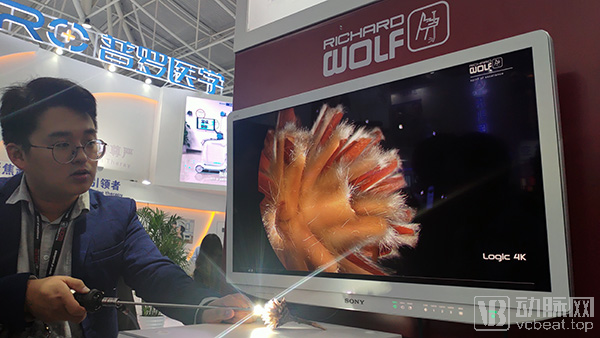
The Endocam Logic 4K electronic endoscopy system, showcased by Germany’s Richard Wolf, attracted numerous attendees with its exceptional display quality. During the demonstration, the system revealed even the finest hairs on a pine nut in exquisite detail, leaving a profound impression on viewers.
Xion Medical, also from Germany, showcased its 4K endoscopy system, which delivers equally superior image quality. In fact, for visitors without professional medical training, such as journalists, the extremely clear visualization of internal human anatomy provided by 4K endoscopy may appear somewhat overwhelming. This, in one respect, underscores the distinct advantages that international brands hold in critical imaging quality.
Of course, we cannot overlook the rapid catch-up efforts of domestic manufacturers. At this CMEF, Chinese manufacturers including Ouman Medical, Shikonghou, Shanghai Shiyin, and Tiansong also showcased 4K endoscopes. Among them, Shanghai Shiyin’s intelligent smoke-free ultra-high-definition endoscope attracted considerable attention due to its fine display quality, which is comparable to that of international brands, as well as its demonstration of a smoke evacuation system by performing high-temperature processing of meat products inside a pumpkin.
Furthermore, SHINVA MEDICAL INSTRUMENT CO.,LTD.’s low-temperature vaporized hydrogen peroxide sterilization technology for cleaning minimally invasive instruments such as endoscopes is also noteworthy. In 2012, SHINVA MEDICAL INSTRUMENT CO.,LTD. collaborated with Japan’s SARAYA Corporation to develop this low-temperature vaporized peracetic acid sterilization technology, which was first academically presented at the 16th World Sterilization Congress held in France in 2015, attracting widespread attention from global industry peers.
This technology is primarily used for the sterilization of minimally invasive medical devices that are heat-sensitive and moisture-sensitive in hospitals, representing a novel sterilization technique. It has secured multiple international invention patents and is at the forefront of global standards. In 2017, the STERIACE peracetic acid low-temperature sterilizer completed product registration in Japan and was awarded the 67th Industrial Technology Award by the Osaka Industrial Research Association in Japan. In April 2019, this product completed registration in China and was launched for commercial sale.
Compared with other low-temperature sterilizers, peracetic acid low-temperature sterilizers feature strong penetration and stable sterilization efficacy, making them more suitable for sterilizing lumened instruments. Meanwhile, they offer high operational efficiency, completing a standard sterilization cycle in 47 minutes, and exhibit low corrosivity to instruments, ensuring compatibility with materials commonly used in clinical medical devices.
The future direction of capsule endoscopy development is undoubtedly the pursuit of better control. Anhan Technology, a representative manufacturer of magnetically controlled capsule gastroscopy, has showcased its magnetically controlled capsule gastroscope robot. After being swallowed by the patient, the capsule robot can perform spiral scans within the stomach, with doctors able to adjust the imaging angle via magnetic control. The magnetically controlled capsule gastroscopy represented by Anhan is one of the few fields in China’s medical device sector that has reached an internationally advanced level.
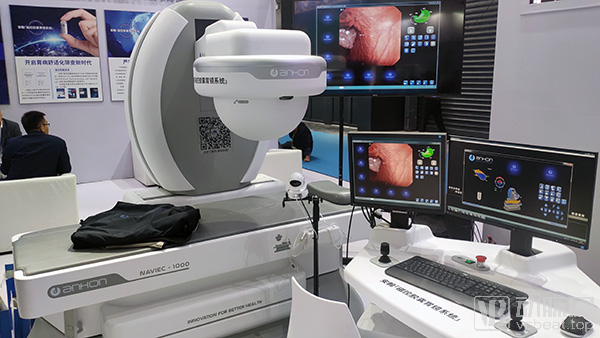
In addition to Anhan Technology, Zifu Medical also showcased its Dasheng Magnetically Controlled Capsule Endoscopy System. Overall, the Chinese lineup in the field of magnetically controlled capsule gastroscopy is quite impressive, fully comparable to that of any other country or region.
Overall, apart from mastering core technologies in select areas, domestically produced endoscopy systems still lag behind imported products in terms of overall stability and precision. However, domestic equipment has not fallen significantly behind in the latest trends, with basic functionalities already approaching those of imported counterparts. Leveraging their cost-performance advantage, domestic brands are gradually achieving import substitution in the mid-to-low-end market. As the government promotes the development of primary healthcare institutions, procurement of medical equipment by these facilities will increase substantially, creating opportunities for domestic manufacturers of minimally invasive medical devices. Some leading enterprises are even poised to break through from the mid-to-low-end market into the high-end segment.
Deploying “AI+” and Intelligence: The Other Side of China’s Power in High-Value Consumables
Like other industries in China, domestically produced high-value medical consumables have evolved from scratch, gradually narrowing the gap with international advanced standards amid fierce competition. Some leading enterprises have even achieved technological prowess on par with global best practices. As domestic companies continuously enhance their technology, manufacturing processes, and R&D capabilities, China’s high-value medical consumables industry has been striving to achieve import substitution. In the future, import substitution will become the primary driver of rapid growth for domestic manufacturers of high-value medical consumables.
At this CMEF, two star enterprises in the domestic high-value consumables sector, Lepu Medical and WEGO, both exhibited and occupied prominent booth spaces. Their exhibits were not limited to their respective familiar fields; they also leveraged the trends of intelligence and AI to expand into other areas.
Earlier this year, Lepu Medical’s independently developed “Bioabsorbable Sirolimus-Eluting Coronary Stent System” (NeoVas) officially received certification from the China Food and Drug Administration (CFDA). As the first bioabsorbable stent approved for market launch in China, it marks that the country’s R&D and manufacturing capabilities in this field have reached a leading level. At this exhibition, Lepu Medical prominently featured the product at its booth and showcased this innovative device on-site.
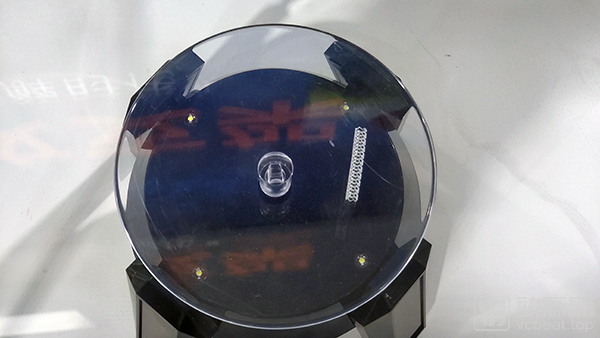
Meanwhile, this exhibition coincided with the 20th anniversary of Lepu Medical. Therefore, Lepu Medical attached particular importance to this event. In addition to its offerings in the field of cardiac intervention, the company also showcased its strategic layout in other areas, such as AI+ applications in clinical biology (including static ECG, vital signs monitoring, and rehabilitation) and the fields of oncology and precision medicine. Notably, AI+ clinical applications occupied a prominent position at Lepu’s exhibition booth.
One of the most attractive exhibits for attendees was likely the Palm Heart Smart Manager, a handheld device under Lepu Medical’s Tongxin Guanjia brand. This palm-sized device can detect heart rate changes within a short period and transmit the data in real time to a mobile app for analysis and early warning based on big data. The Tongxin Guanjia smart ECG software system is also equipped with Lepu’s AI-ECG Platform, an artificial intelligence-based automatic ECG analysis and diagnostic system. This AI-powered ECG product, which has received U.S. FDA clearance, can detect and provide early warnings for 45 types of ECG abnormalities, boasting an accuracy rate of over 95% in capturing abnormal ECG signals.
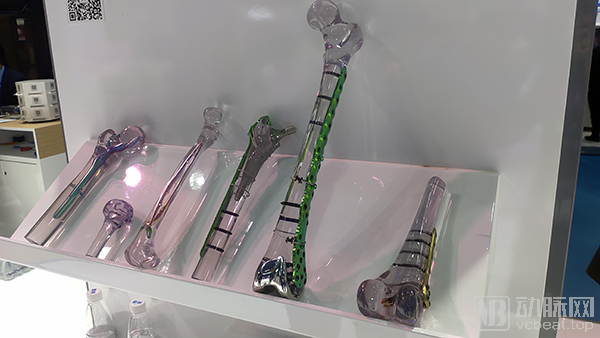
WEGO, a long-established medical consumables enterprise headquartered in Shandong, placed significant emphasis on its home-ground debut. The company showcased a wide array of products spanning medical imaging, in vitro diagnostics (IVD), operating room and emergency care, orthopedic consumables, rehabilitation and physiotherapy, medical optics, general medical consumables, and smart healthcare solutions. Beyond its core competency in high-value orthopedic consumables, WEGO displayed innovations such as dual-wavelength laser surgical systems, 3D endoscopic camera systems, hemodialysis consumables and equipment, radiological imaging series, digital operating rooms, and smart supply chain solutions—all demonstrating the company’s rich achievements in product innovation and research and development.
Notably, WEGO’s smart high-value consumables cabinet, showcased as part of its intelligent supply chain solutions at this CMEF, adopts an information-based management model. It enables end-to-end traceability and individual accountability through real-time chip monitoring. Furthermore, the cabinet’s ability to provide timely alerts for adverse events involving high-value consumables represents a significant highlight, substantially reducing the time spent on manual management of such materials within hospitals and effectively improving operational efficiency.
More Pragmatic IVD Sector Poised for Major Opportunities in Domestic Substitution, with Industry Consolidation Imminent
In vitro diagnostics (IVD) can influence 60% of clinical treatment plans, yet account for only 2% of total clinical treatment costs. Consequently, IVD has garnered significant attention in recent years. According to statistics, the global IVD market size reached $61.7 billion in 2016, making it one of the largest segments within the medical device industry.
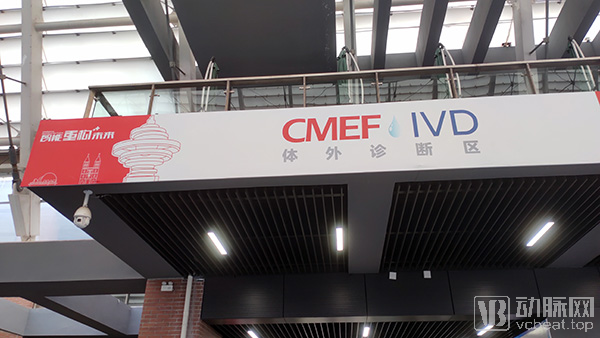
At this CMEF exhibition, Hall S3 served as the IVD-themed pavilion, hosting dozens of representative IVD companies. Leading domestic IVD enterprises, including Wondfo Biotech, Getein Biotech, Snibe, Urit, Maccura, Kanghua, Dirui, Dymind, Hailu, Huamai, Guosai, and Sinocare, showcased their respective products.
Based on the exhibited equipment, the IVD market is currently dominated by fluorescence immunoassay platforms, with nearly all participating IVD manufacturers having completed their product portfolios of miniaturized devices and fully automated fluorescence immunoassay analyzers. In contrast, although chemiluminescence has long been a strategic focus for many IVD manufacturers, it was scarcely visible at this autumn exhibition.
A clear trend is that large IVD companies are increasingly inclined to develop automated laboratory tracks. For instance, Urit launched the world’s first high-speed urine analysis track system, US-2000SL; Dirui Medical also released its new-generation urine analysis track system MUS-3600; and Snibe’s total laboratory automation (TLA) solution is another example of a track-based approach.
In addition, as product lines gradually expand, leading enterprises are evolving from offering single products to developing disease-specific solutions, such as comprehensive management solutions for chronic diseases like diabetes, maternal and child health solutions, and nephrology solutions. This shift indicates a growing pragmatism within the industry and reflects the broader trend toward AI-driven transformation in healthcare.
As in other sectors, many leading IVD manufacturers were absent from this year’s CMEF Autumn Exhibition, including Roche, Abbott, Beckman Coulter, Sysmex, Mindray, Autobio, Mindway, Hotgen, and Aupu. One contributing factor is that the CMEF Autumn Exhibition carries less influence than its spring counterpart. Meanwhile, it is an undisputed fact that the IVD industry is becoming increasingly pragmatic, showing a clear preference for clinically oriented conferences. Compared with the past, companies are also more realistic, prioritizing securing orders from tertiary Grade-A hospitals as the most compelling case studies for product promotion.
Concepts such as POCT and quantum dots were less prominent at this year’s autumn CMEF, which may be another sign of the IVD industry’s growing pragmatism.
For the IVD industry, a valuable era of opportunity is currently at hand. Externally, a series of healthcare reform policies are driving change. The introduction of measures such as medical insurance cost containment and drug price reductions has brought about transformation in the in vitro diagnostics sector. In terms of controlling costs to reduce healthcare expenditures, whether through lowering medical insurance expenses or curbing drug prices, these initiatives are compelling domestic reagent manufacturers to accelerate import substitution, which is unequivocally beneficial for local R&D enterprises.
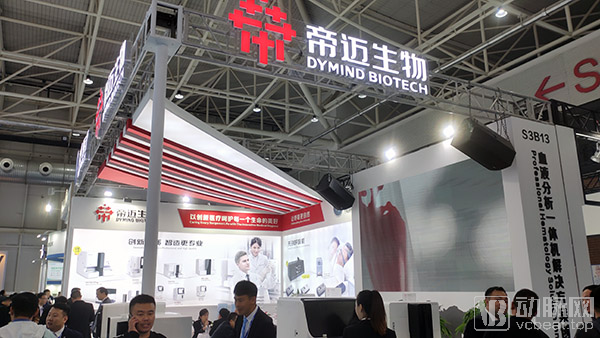
However, with the development of the IVD market, industry concentration will intensify, and leading giants will grow increasingly powerful, breaking the current fragmented and chaotic landscape dominated by scattered brands. The "big fish eating small fish" scenario, witnessed in countless markets, is also unfolding in the IVD sector. To enhance competitiveness, expanding into multiple business lines and perfecting product portfolios will be the future direction for IVD enterprises. Meanwhile, it must not be forgotten that high-quality, high-standard test results are the very foundation upon which the IVD industry survives.
Smart Hospital Construction Is Gaining Momentum
Earlier this year, the National Health Commission issued a notice on the Graded Evaluation Standard System for Smart Hospital Services (Trial). In accordance with the basic service content required across the pre-consultation, during-consultation, and post-consultation stages of patient care, and in combination with hospital informatization development and the internet environment, the Commission established five categories comprising a total of 17 evaluation items. This initiative marked the commencement of smart hospital construction. At the autumn session of the China Medical Equipment Fair (CMEF), numerous intelligent solutions emerged across key areas of smart hospitals, including patient services, medical care, and equipment management.
First is smart services oriented toward patients. If you have visited a hospital recently, you will easily notice that smart services have gradually been implemented in hospitals. For example, self-service printing of medical imaging films is one such application. Leveraging its traditional advantages in film products, Lucky Medical has extended its solutions by showcasing automatic film dispensers and printers. In fact, such self-service devices, including automated medication dispensing cabinets, were ubiquitous at the Autumn Exhibition.
Bairui Medical, with 20 years of focus on the respiratory field, showcased its intelligent nebulization stations designed for children at the event. Currently, Bairui Medical has partnered with over 200 hospitals (including more than 100 Grade A tertiary hospitals) across more than 30 provinces and municipalities in China, including Beijing, Shanghai, Guangzhou, and Shenzhen, to carry out public welfare projects for pediatric intelligent nebulization rooms.
For smart healthcare solutions targeted at medical professionals, several innovative products showcased at the CMEF Autumn Exhibition are also worth noting.
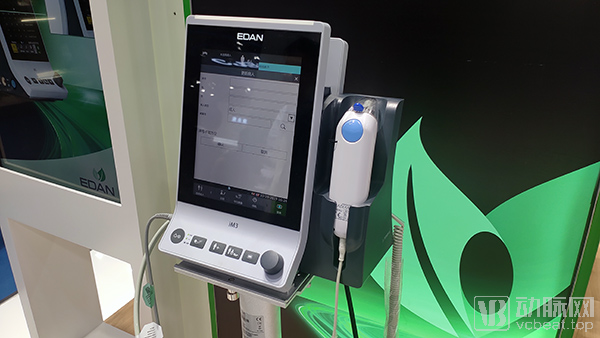
Shenzhen Edan showcased the iM3 vital signs monitor, hailed as a “ward round artifact,” at the exhibition. Featuring a unique “Ward Round Mode,” this monitor supports multi-patient management and one-click import of multi-patient information, along with real-time switching between patients for measurement. It addresses the pain points of traditional ward rounds, such as the need to carry multiple devices, the inability to directly import data into hospital systems, and insufficient measurement accuracy. The product was also honored with the German Design Award Winner 2019 title.
Noseqing, a subsidiary of Aipeng Medical, showcased the Lpainfree Pain Management Information System software. This application assists in patient care by ensuring continuous monitoring even when patients are out of direct sight. It directly records postoperative analgesia data and enables rapid access to patient safety information.
As a leading enterprise in the distribution industry, Sinopharm Medical Device held a launch ceremony for its FLI+ Innovative Service Solution at CMEF. This service solution is built on lean services across the entire supply chain process and will focus on the development of intelligent Internet of Things (IoT) within hospitals in the 5G era, aiming to advance smart medical supply chains and empower intelligent management.
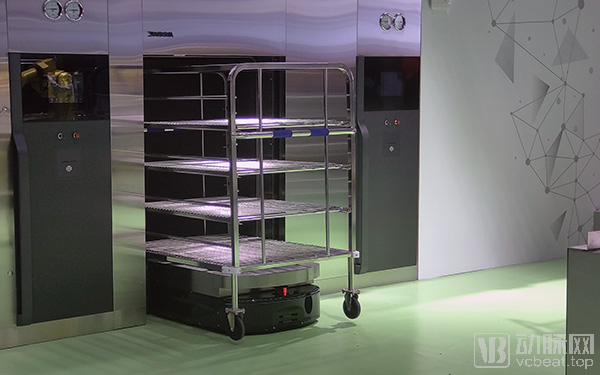
SHINVA Medical’s intelligent robot exhibition area attracted many visitors to stop and watch. This AGV robot features excellent compatibility, allowing it to easily maneuver under medical carts to couple or decouple. Once secured, the robot can transport medical supplies, such as specimens, without manual operation. The demonstration highlighted the robot’s high precision, enabling it to smoothly guide medical carts in and out of dedicated service elevators that are only slightly larger than the carts themselves.
Final Thoughts
It is an undeniable fact that the CMEF Autumn Exhibition is losing its appeal to manufacturers compared to the Spring Exhibition. The absence of many top-tier companies in the industry has indeed significantly diminished the influence of the Autumn Exhibition. However, considering that this year’s event was held at the CRCC World Expo City in Qingdao, even within the relatively remote resort area of Huangdao, the venue itself was quite isolated. It is far from the traditional downtown area of Qingdao, and supporting transportation links were extremely inconvenient. Therefore, achieving such a high level of attendee traffic was no easy feat, still reflecting the strong enthusiasm of participants for exhibiting.
At this Autumn Exhibition, we can still discern the future development trends of medical devices. As the theme of this year’s event states, “Intelligence Reconstructs the Future.” Intelligent technologies permeated the entire exhibition, being virtually ubiquitous. With the continuous maturation of 5G and Internet of Things (IoT) technologies, we believe that the level of intelligence in medical devices will further increase in the future. Meanwhile, the integration of AI-assisted diagnosis with medical devices is expected to accelerate.
Finally, the lackluster interest shown by international medical device giants in the Autumn Exhibition may well be a blessing in disguise for the domestic substitution of medical devices. At the very least, for some lesser-known domestic manufacturers, the Autumn Exhibition remains a valuable platform for showcase. With the comprehensive implementation of cost-containment policies such as Diagnosis-Related Groups (DRG) and the further deepening of policies promoting domestic substitution, healthcare institutions are facing increasing operational pressure. Consequently, high-cost-performance domestic medical devices will gain growing favor. From the past era of “Made in China” to the current age of “Intelligently Made in China,” we believe that domestic medical devices will soon usher in their own moment of glory.