

Boehringer Ingelheim and Lilly Launch Sixth Phase III Study of SGLT2 Inhibitor Jardiance in Heart Failure: The EMPULSE Trial
Nov 14, 2019 08:09
CST Updated
09:13

Eli Lilly
Global Pharmaceutical R&D and Production Company

Boehringer Ingelheim
Developer of Innovative Drugs and Therapies
November 14, 2019/BioValleyBIOON/--Eli Lilly-Boehringer IngelheimDiabetesThe Alliance recently announced the initiation of the Phase III EMPULSE study (NCT04157751), the sixth Phase III trial in the heart failure (HF) program for Jardiance (empagliflozin), an SGLT2 inhibitor used for glucose lowering. This study will evaluate whether initiating in-hospital treatment with Jardiance at a daily dose of 10 mg, once patients are stabilized, improves heart failure outcomes among those hospitalized for any type of acute heart failure event.
This study is a multicenter, randomized, double-blind, 90-day superiority trial designed to evaluate the clinical efficacy, safety, and tolerability of Jardiance (10 mg once daily) versus placebo in patients with stabilized acute heart failure (either de novo or decompensated heart failure). The study will enroll approximately 500 subjects, including those with or without type 2 diabetes.Diabetespatients. The primary endpoint was net clinical benefit at 90 days post-treatment, a composite outcome comprising all-cause mortality, the number of heart failure events (including hospitalizations for heart failure, acute heart failure visits, and unscheduled outpatient visits), time to first heart failure event, and the change from baseline in the Kansas City Cardiomyopathy Questionnaire Clinical Summary Score (KCCQ-CSS).
Heart failure accounts for one in nine deaths and is a leading cause of hospitalization in the United States, yet treatment options remain limited for patients with this debilitating condition. Prognosis after hospital admission is poor, with a 15% mortality rate and a 30% readmission rate within 60–90 days post-discharge. Initiation of therapy during hospitalization is among the strongest predictors of long-term prognostic improvement and patient adherence to treatment. The EMPULSE study aims to determine whether Jardiance has the potential to improve outcomes in this population.
Professor Adriaan Voors, Professor of Cardiology at the University Medical Center Groningen in the Netherlands, stated: “Acute decompensated heart failure is one of the fastest-growing diseases worldwide and a leading cause of hospitalization globally, with high short-term mortality and readmission rates. Unlike chronic heart failure, there are currently no established treatments to improve clinical outcomes in acute heart failure. SGLT2 inhibitors for type 2DiabetesThe beneficial effects observed in patients, as seen in three large randomized trials, are believed to be at least partially explained by the diuretic and natriuretic effects of SGLT2 inhibitors. The EMPULSE study will investigate whether Jardiance, due to its mechanism of action, can alleviate symptoms associated with heart failure and improve outcomes after hospital discharge.”
Heart failure (HF) is a serious condition in which the heart cannot pump enough blood to meet the body’s needs. It is estimated that approximately half of patients with HF will die within five years of diagnosis, and the disease represents the most common cause of hospitalization among individuals aged 65 years and older in the United States and Europe. HF also leads to a substantial decline in quality of life and a high symptom burden, partly due to limitations in physical activity and difficulty performing typical daily activities. HF currently affects 26 million people worldwide, including more than 6.5 million in the United States, and its prevalence is projected to increase in the future. There is an urgent need for new potential therapeutic options in this field.
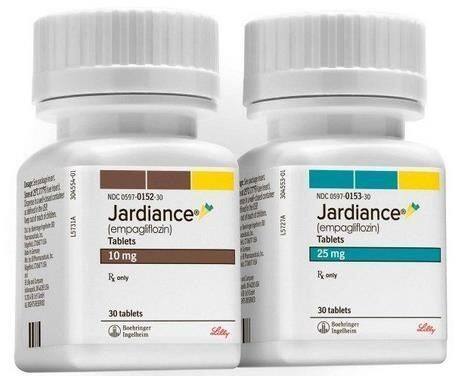
Jardiance (empagliflozin) belongs to the class of sodium-glucose cotransporter-2 (SGLT-2) inhibitors. Emerging SGLT-2 inhibitors have been proven to block glucose reabsorption in the kidneys, excreting excess glucose from the body, thereby achieving a reduction in blood glucose levels. Moreover, this glucose-lowering effect is independent of β-cell function and insulin resistance.
Jardiance was approved for marketing in August 2014, for use in type 2DiabetesPatient Treatment. In late 2016, Jardiance received further approval for reducing the risk of cardiovascular death in patients with type 2 diabetes and established cardiovascular disease. This approval made Jardiance the first glucose-lowering medication approved globally to reduce the risk of cardiovascular death in patients with type 2 diabetes.
Jardiance is a blockbuster SGLT2 inhibitor antidiabetic drug, with global sales reaching $2.12 billion in 2018 and capturing over 50% of the SGLT2 inhibitor market share. In recent years,Eli Lilly- The Boehringer Ingelheim Alliance has been committed to developing this drug for the treatment of heart failure.
In early June this year, new post hoc analysis data from the landmark EMPA-REG OUTCOME study (NCT01131676) demonstrated that Jardiance’s significant reduction in the risk of cardiovascular and renal outcomes was consistent between patients with chronic kidney disease but no significant proteinuria and all other patients in the study, confirming the drug’s consistent cardiorenal benefits across a broad population.
In late June this year, the United StatesFDAJardiance’s ongoing heart failure program, EMPEROR, has been granted Fast Track Designation (FTD). The Phase III EMPULSE study, recently initiated, is part of this program. Other studies included in the program are EMPEROR-Reduced, EMPEROR-Preserved, EMPERIAL-Reduced, EMPERIAL-Preserved, and EMPA-VISION. These trials have enrolled more than 9,500 adult patients with heart failure (including those with and without diabetes) and are evaluating the impact of Jardiance on heart failure-related outcomes and functional capacity. (Bioon.com)