

Novartis Receives Positive CHMP Opinion for Mayzent® (Siponimod), the First Oral Therapy for Active Secondary Progressive Multiple Sclerosis in Europe
Nov 18, 2019 09:18
CST Updated
09:18

Novartis
Drug Development and Manufacturing

European Medicines Agency
The European Medicines Agency (EMA) is a decentralized agency of the European Union (EU), located in London. It began operations in 1995. The agency is responsible for the scientific evaluation, supervision, and safety monitoring of medicines developed by pharmaceutical companies for use in the EU. By ensuring that all medicines available on the EU market are safe, effective, and of high quality, the EMA protects public and animal health in the 28 EU Member States and countries of the European Economic Area.

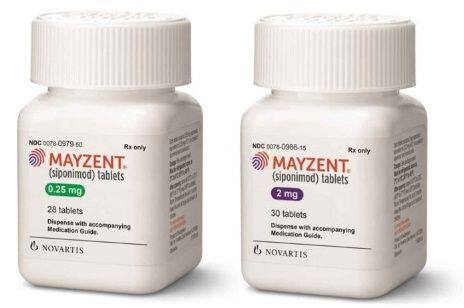
November 18, 2019/Bio ValleyBIOON/--Swiss pharmaceutical giantNovartisNovartis recently announced that the Committee for Medicinal Products for Human Use (CHMP) of the European Medicines Agency (EMA) has issued a positive opinion, recommending the approval of Mayzent (siponimod) for the treatment of adult patients with active secondary progressive multiple sclerosis (SPMS), evidenced by relapses or imaging features of inflammatory activity (e.g., gadolinium-enhancing T1 lesions or active, new, or enlarging T2 lesions). Although the progression of multiple sclerosis (MS) varies among individual patients and is influenced by multiple factors, including the use of disease-modifying therapies (DMTs) for MS, it is estimated that up to 80% of patients will eventually transition from relapsing-remitting multiple sclerosis (RRMS) to SPMS.
The CHMP opinion will now be reviewed by the European Commission (EC), which is expected to make a final decision within the next two months. If approved, Mayzent will become the first and only oral medication in Europe specifically indicated for patients with active secondary progressive multiple sclerosis (SPMS).
In the United States,FDAMayzent was approved in March this year for the treatment of adult patients with relapsing forms of multiple sclerosis (MS), including active secondary progressive multiple sclerosis (SPMS), relapsing-remitting multiple sclerosis (RRMS), and clinically isolated syndrome (CIS). Regarding administration, first-dose observation (FDO, cardiac monitoring at treatment initiation) is not required for patients, unless they have certain pre-existing cardiac conditions. (Note: CIS is defined as the first episode of neurological symptoms lasting at least 24 hours, caused by inflammation or demyelination in the central nervous system.)
It is worth noting that in the United States, Mayzent is the first therapy specifically approved for patients with active secondary progressive multiple sclerosis (SPMS) in the past 15 years. SPMS is a type of multiple sclerosis (MS) characterized by progressive and irreversible neurological dysfunction. Over time, up to 80% of patients with relapsing-remitting multiple sclerosis (RRMS) transition to SPMS. Therefore, initiating treatment early to slow disability progression is crucial for patients. Disability progression most commonly includes, but is not limited to, impaired mobility, which may lead to the need for walking aids or wheelchairs, bladder dysfunction, and cognitive decline. Mayzent addresses key unmet medical needs in patients with RRMS who are transitioning, as well as those who have already transitioned to active SPMS.
Christoph Thalheim, Head of External Affairs at the European Multiple Sclerosis Platform, stated: “Today’s CHMP opinion marks a milestone in support of patients with active secondary progressive multiple sclerosis (SPMS) in Europe. This decision brings hope for a potential new beneficial therapy.”
The CHMP’s positive opinion is based on the groundbreaking data from the Phase III EXPAND study. This is the largest randomized clinical trial conducted in a broad population of patients with secondary progressive multiple sclerosis (SPMS), with Expanded Disability Status Scale (EDSS) scores ranging from 3.0 to 6.5. The study was a randomized, double-blind, placebo-controlled trial comparing the efficacy and safety of Mayzent versus placebo in patients with SPMS. The enrolled patients represented a typical SPMS population, with a mean age of 48 years and an average disease duration of approximately 16 years at baseline. More than 50% of patients had a median EDSS score of 6.0 and required walking aids. The study also evaluated a subgroup of patients with active disease (n=779), defined as those who experienced relapses and/or had gadolinium-enhancing T1 lesions at baseline within the two years prior to the study. Apart from signs of disease activity, baseline characteristics were similar to those of the overall population.
Results from the overall study population demonstrated that Mayzent significantly reduced the risk of 3-month confirmed disability progression (CDP) (primary endpoint: 21% reduction vs. placebo, p=0.013) and meaningfully delayed the risk of 6-month CDP (26% reduction vs. placebo, p=0.0058).
Data from the subgroup of patients with active disease showed that, compared with placebo, Mayzent significantly delayed the time to 3-month and 6-month confirmed disability progression (CDP) by 31% and 37%, respectively, and reduced the annualized relapse rate (ARR; confirmed relapses) by 46%. Furthermore, Mayzent demonstrated significant favorable outcomes on other relevant measures of multiple sclerosis (MS) disease activity, including MRI disease activity and brain volume loss (brain atrophy).
At the 35th Congress of the European Committee for Treatment and Research in Multiple Sclerosis (ECTRIMS) this yearMeetingFurther analysis of the EXPAND study demonstrated that Mayzent® can help patients maintain mobility for an additional average of more than 4 years. ReductionGray matter volume loss at 1 and 2 years, a key driver of disability progression and cognitive decline in patients with secondary progressive multiple sclerosis (SPMS).
John Tsai, Global Head of Drug Development and Chief Medical Officer at Novartis, stated: “For patients with multiple sclerosis, delaying disability progression and preserving cognitive function are critically important, enabling them to live independently for longer. Mayzent has demonstratedNovartis"The company's mission is to redesign medicines for underserved populations, such as those living with active SPM."

Chemical structure of siponimod (Image source: Wikipedia)
The active pharmaceutical ingredient of Mayzent is siponimod, a next-generation, selective sphingosine-1-phosphate (S1P) receptor modulator that selectively binds to S1P1 and S1P5 receptors. By binding to the S1P1 receptor subtype on lymphocytes, siponimod prevents lymphocytes from egressing lymph nodes, thereby blocking their entry into the central nervous system (CNS) of patients with multiple sclerosis (MS) and exerting anti-inflammatory effects. Furthermore, siponimod can penetrate the CNS and directly bind to S1P5 and S1P1 receptor subtypes on specific cells within the CNS (oligodendrocytes and astrocytes), promoting remyelination and preventing inflammation.
In addition to the United States, Mayzent received approval from the Australian Therapeutic Goods Administration (TGA) in November this year for the treatment of adult patients with secondary progressive multiple sclerosis (SPMS).NovartisCommitted to bringing Mayzent to patients worldwide, regulatory filings are currently underway in Switzerland, Japan, Canada, and China.
The Success of Mayzent forNovartisThis is crucial, as Gilenya, another blockbuster oral multiple sclerosis (MS) drug from the company with annual sales of $3 billion, is facing increasingly fierce competition. The industry holds a very optimistic view of Mayzent’s commercial prospects, with analysts predicting that its peak annual sales could reach $3 billion. (Bioon.com)