

From Carl June's Lab to Cartyx Therapeutics: Dr. Enxiu Wang's Journey in Pioneering CAR-T Therapy for Solid Tumors

Cart Medical
Innovative Cell Therapy Developer
Carl June, the “godfather of cell therapy,” once penned a 10,000-word essay outlining his vision for cancer immunotherapy, expressing his belief that all cancers could be cured by CAR-T therapy. In 2017, Novartis’ CAR-T drug Kymriah received approval, marking the most momentous chapter in the history of cellular immunotherapy. That same year, across the Pacific in China, a technology company focused on developing CAR-T therapies for solid tumors—CART Medical—was quietly established. This company shares deep ties with the laboratory of Carl June, the godfather of cell therapy.
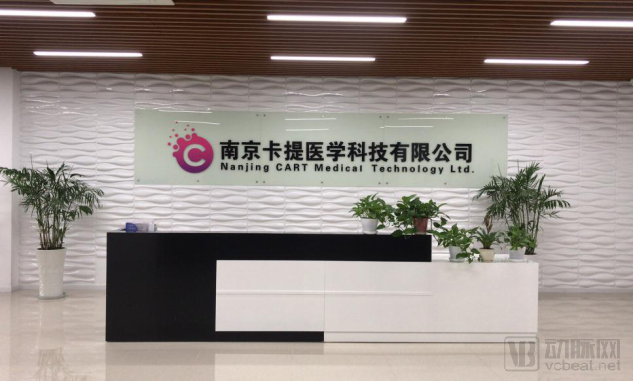
Image from CART Medical
Entrepreneurs Emerging from Carl June’s Team
Dr. Enxiu Wang is the founder of CART Medical. Prior to 2011, he served as a researcher in the Department of Biology at the University of Pennsylvania. He is recognized as the first scholar in the world to propose the “kinase diffusion theory” of cell mitosis.
To elucidate intracellular kinase activation and signal transduction phenomena, Dr. Enxiu Wang employed the state-of-the-art confocal microscopy system at the University of Pennsylvania, combined with FRET biosensor technology, to observe the dynamic changes of kinases in living cells. During this period, he captured the complete dynamic process of mitosis and kinase phosphorylation, which greatly impressed Michael Milone and his colleagues. For context, Michael Milone is the laboratory manager for Professor Carl June and one of the key inventors of Novartis’s CAR-T therapy, Kymria.
Cell signaling often relies on kinase-mediated phosphorylation. Dr. Enxiu Wang was the first to observe this phenomenon using a FRET biosensor. The image shows the cover article published by Dr. Wang, which was featured in an exclusive interview by the Journal of Cell Biology.
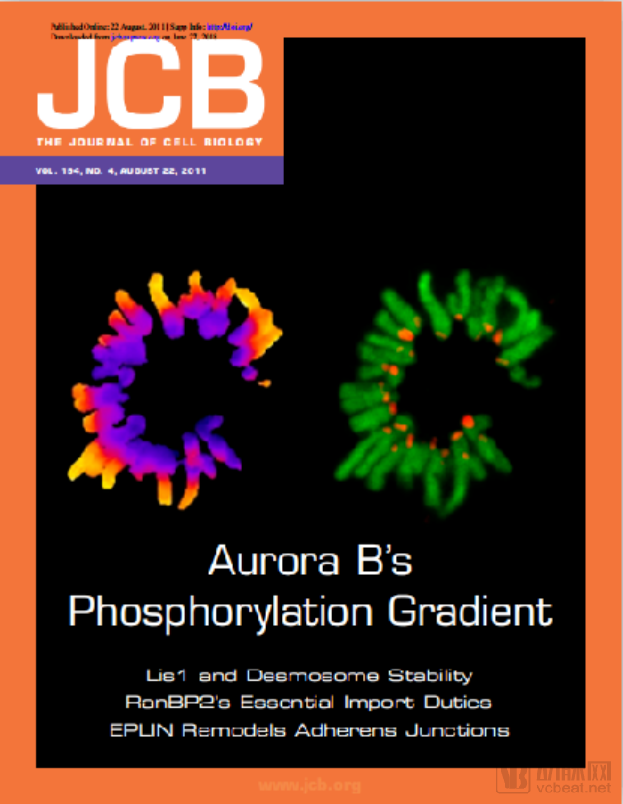
Image from CART Medical
At that time, under the leadership of Professor Carl June, the University of Pennsylvania CAR-T team had already developed the precursor to what is now widely known as Kymriah, achieving promising results in three clinical cases of chronic lymphocytic leukemia (CLL). However, the structural design of second-generation CAR T cells remained relatively rudimentary, and their activation mechanisms were not yet fully understood. To lay the groundwork for CAR design, Professor Milone was urgently seeking new approaches to further investigate signaling mechanisms. His eyes lit up when he heard Dr. Enxiu Wang’s presentation at a conference.

Image from CART Medical
This café was where Professor Milone and Dr. Wang Enxiu first met and exchanged ideas. Professor Milone discussed his research paper on CAR-T with Dr. Wang, remarking, “Our results may not be as visually striking as your figures, but they can cure patients and save lives.” This statement deeply moved Dr. Wang, prompting him to join the CAR-T research team.
Years later, the two reunited at this café, reflecting on the earth-shaking developments and transformations the industry has undergone since 2011, still filled with deep emotion.
When Dr. Enxiu Wang first joined the Carl June laboratory, he was responsible for studying the activation mechanisms of CAR-T cells whose clinical efficacy had already been confirmed. However, Dr. Wang’s research capabilities soon surpassed Professor Milone’s expectations; he frequently presented novel insights that amazed the team, designed experiments, and generated data.
Gradually, Professor Milone began to rely increasingly on this young Chinese scientist, entrusting him with the supervision of numerous graduate and postdoctoral projects. Within a year, Dr. Wang Enxiu had become the lead of the solid tumor CAR design evaluation project, heading the entire solid tumor task force. Later, when the University of Pennsylvania–Novartis CAR-T Collaboration Alliance was established, Dr. Wang Enxiu was invited to join its leadership committee, a select group comprising fewer than ten members from both institutions.
Shortly thereafter, Dr. Enxiu Wang identified the key reasons why second-generation CAR technology failed to function effectively within the tumor microenvironment of solid tumors and devised a solution. Reportedly, these experimental findings stunned the CAR-T research team, which had already grown to 500 members at the time. Dr. Wang co-authored a paper and filed patents jointly with Professor Carl June and Professor Michael Milone; these patents were later acquired by Novartis.
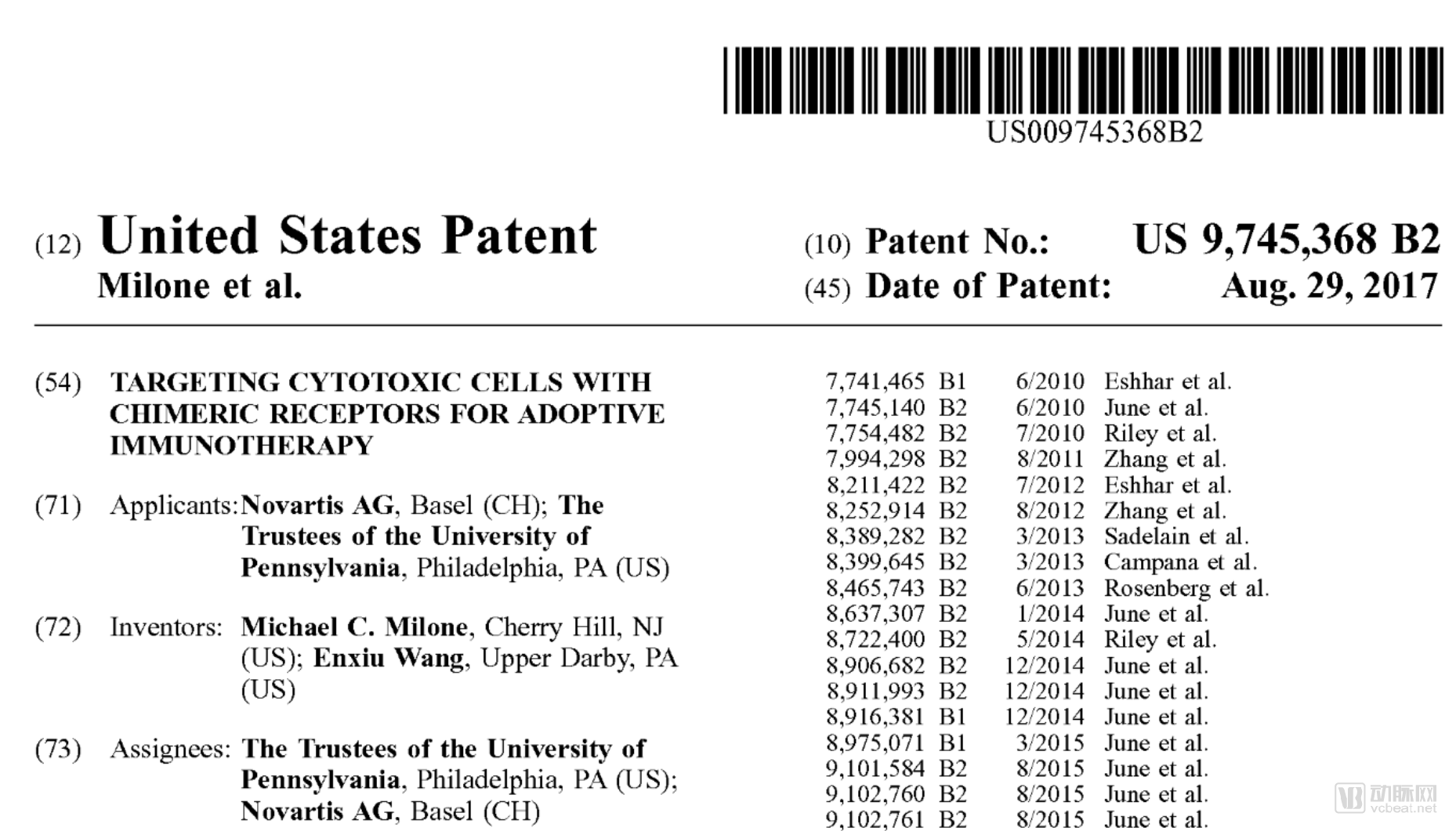
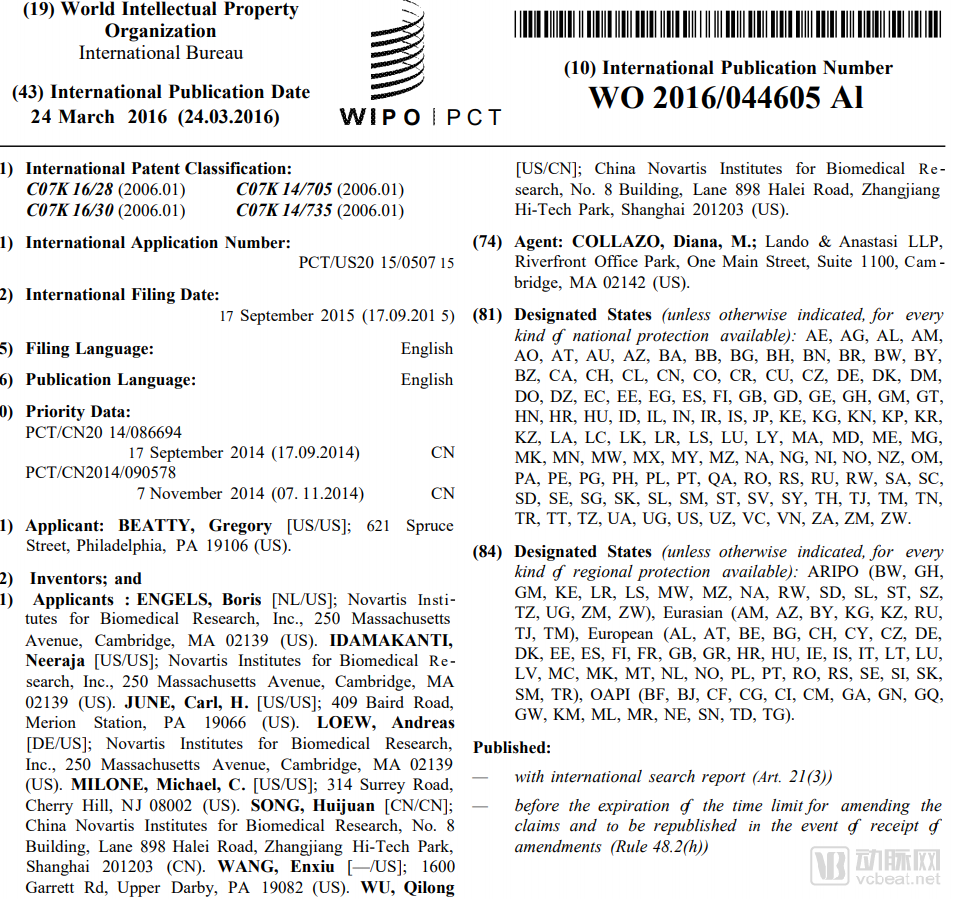
Image from CART Medical
By 2014, multiple CAR-T studies had gradually transcended the boundaries of academia and hospitals, emerging prominently in the industry. Notable examples include KITE, founded based on NIH technology, and JUNO, established leveraging technologies from MSKCC and St. Jude. Dr. Wang Enxiu began to recognize the significant importance of integrating technology with industry in advancing medical progress and delivering clinical benefits.
“During one visit back to China to see family, an elderly neighbor with snow-white hair pulled me aside for a chat, saying, ‘I watched you grow up, but I can’t see the work you’re doing.’” These words deeply touched him, already homesick at the time. Mastering his skills and giving back to his homeland was a shared ideal among Dr. Wang Enxiu’s generation of overseas Chinese students. After careful consideration, he submitted his resignation to Professor Milone and decided to return to China. At that time, China’s biopharmaceutical industry was undergoing rapid transformation.
Hidden Dragon, Do Not Act: Nurturing and Development
Upon returning to China, Dr. Wang Enxiu faced misunderstanding from his family, skepticism from investors, and disagreements with partners. Ultimately, he settled and put down roots in Nanjing, where he had once studied, and founded CART Medical. Over the past two years, the company has maintained a low public profile, and Dr. Wang has rarely sought personal publicity, consistently maintaining that proven efficacy is the only hard truth.
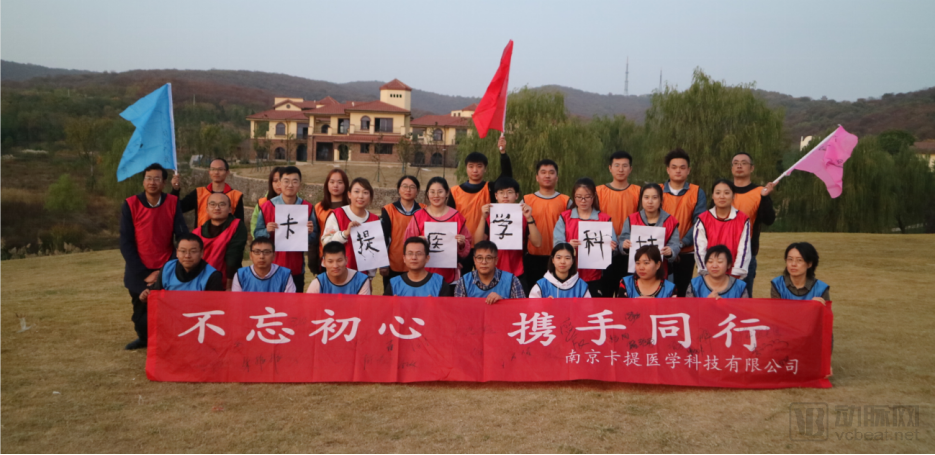
Image from CART Medical
In 2017, Novartis and Kite Pharma successively launched two CAR-T therapies, making CAR-T the hottest area of focus. That year also marked the peak of investment in China’s biopharmaceutical market. Amid this fervor, Dr. Wang Enxiu reminded himself to remain calm and pursue steady, substantive progress. Within the company, he insisted on holding weekly literature review sessions, continuously engaged in technical discussions with R&D staff at the forefront, participated in clinical case discussions, and promptly adjusted R&D strategies. Currently, building upon Dr. Wang’s original research, Nanjing CART Medical Technologies, Ltd has developed next-generation iterative products and has already initiated clinical studies.
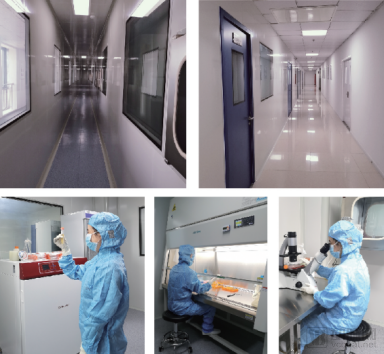
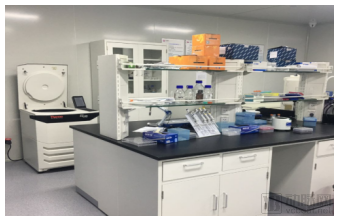
Image from CART Medical
After two years of quiet perseverance, Dr. Wang Enxiu can now jokingly claim that their efforts are “never missing the mark.” He emphasized that medical advancements are never the result of impromptu brainstorming; rather, his team at the University of Pennsylvania explored various research directions. Through a cycle of exploration, failure, summary, and improvement, he brought the pragmatism and rigor of the Penn team back to China.
“During R&D, we explored a bold and innovative design, only to find it technically unfeasible. After six unsuccessful attempts to resolve the issue, we decided to abandon it, accepting the reality with candor—under no circumstances would we deceive ourselves,” he told VCBeat. By identifying and solving problems, and having witnessed the true nature of the world, one will never wander aimlessly in the dark.
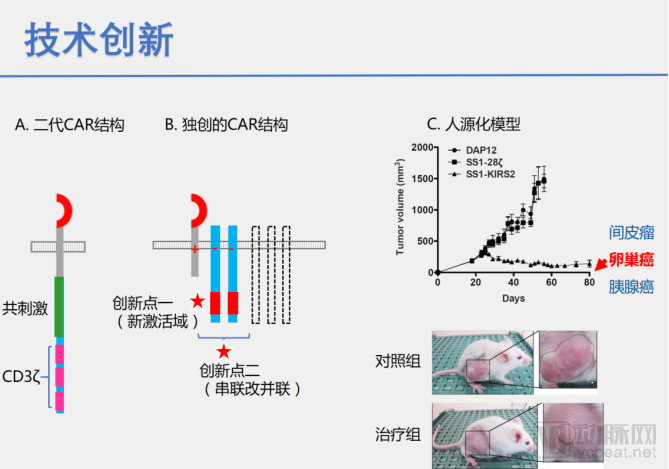
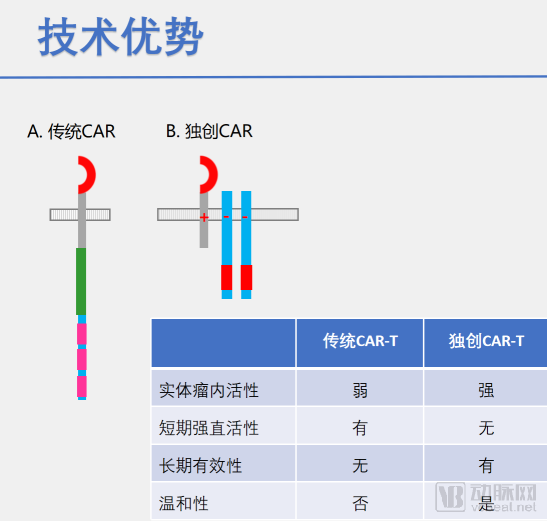
Image from CART Medical
As of March this year, there were 1,011 cell immunotherapy products approved or under development worldwide, an increase of 258 from the same period last year. Among these, CAR-T therapies accounted for more than half, totaling 568 products, which represents an increase of 164 compared to March 2018, reflecting the industry’s strong enthusiasm for CAR-T therapy. However, Dr. Wang Enxiu believes that the door to immunotherapy has only just begun to open, and the industry will require a period of sustained operation and development. The advancement of medicine is not achieved overnight; it is a process that relies on long-term accumulation before yielding significant breakthroughs.
After two years of development, CART Medical has secured 2,300 square meters of office space, including 1,600 square meters dedicated to R&D facilities and GMP-compliant workshops. The company currently boasts over ten R&D pipelines, collaborates with five clinical partner hospitals, and is conducting multiple clinical studies. Notably, its first cell therapy product is undergoing preparatory work for Investigational New Drug (IND) application submission.
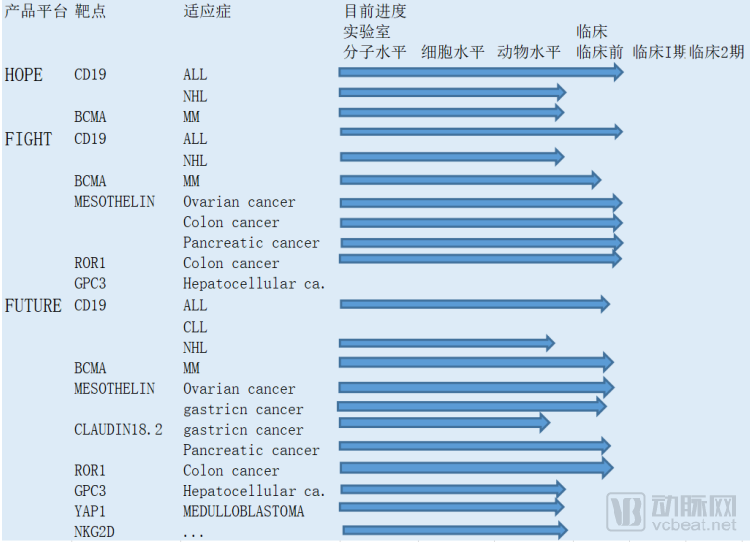
Image from CART Medical
Previously, CART Medical secured Series A financing invested by Yuansheng Ventures. The company has now initiated its Series A+ funding round, aiming to raise RMB 80 million to further strengthen team building and support two Investigational New Drug (IND) applications.