

Chugai Submits New Drug Application in Japan for Satralizumab to Treat Neuromyelitis Optica Spectrum Disorder (NMOSD)
Nov 22, 2019 12:48
CST Updated
12:48
Roche
Oncology Drug Research, Development, and Manufacturing
Chugai Pharmaceutical
Developer and Manufacturer of Anti-Cancer Drugs
November 22, 2019 /BioValleyBIOON/ -- Chugai Pharmaceutical, a Japanese pharmaceutical company controlled by Roche, announced that it has submitted a New Drug Application (NDA) for satralizumab (development code: SA237) to the Ministry of Health, Labour and Welfare (MHLW) of Japan for the treatment of neuromyelitis optica spectrum disorders (NMOSD). In September this year, satralizumab was granted orphan drug designation by the MHLW, and this application will be reviewed under the priority review pathway.
Satralizumab is an experimental humanized monoclonal antibody targeting the interleukin-6 receptor (IL-6R) and is currently under review in the United States and the European Union. In the United States,FDAIn December 2018, satralizumab was granted Breakthrough Therapy designation for the treatment of NMOSD. In the United States and the European Union, satralizumab has also been granted Orphan Drug designation.
The regulatory application for satralizumab is based on data from two global Phase III clinical trials (the SAkuraStar study and the SAkuraSky study), the results of which confirmed the efficacy and safety of satralizumab as monotherapy and in combination with baseline immunosuppressants, respectively.
——SAkuraStar Study:This is a multicenter, randomized, double-blind, placebo-controlled study that enrolled a total of 90 male and female patients with neuromyelitis optica spectrum disorder (NMOSD) aged 18–74 years to evaluate the efficacy and safety of satralizumab. The enrolled patients included those with aquaporin-4 antibody-positive neuromyelitis optica (NMO) (according to the 2006 diagnostic criteria) and those with NMOSD (according to the 2007Diagnosiscriteria). In the study, these patients were randomized in a 2:1 ratio to two groups: the satralizumab (120 mg) treatment group and the placebo group. Both satralizumab and placebo were administered via subcutaneous injection at weeks 0, 2, and 4, followed by subcutaneous injections every 4 weeks thereafter. The double-blind period ended when either the total number of protocol-defined relapses reached 44 or 1.5 years had elapsed since the enrollment of the last patient, whichever occurred first. Subsequently, patients from both treatment groups entered an open-label extension phase and could continue receiving satralizumab treatment. The primary endpoint was the time to the first protocol-defined relapse during the double-blind period, as adjudicated by an independent review committee. Key secondary endpoints included the Visual Analog Scale (VAS) pain score and the Functional Assessment of Chronic Illness Therapy (FACIT) fatigue score.
Data presented at the conference showed that: (1) The study met its primary endpoint. In the overall study population, satralizumab monotherapy reduced the risk of relapse by 55% compared with placebo (HR=0.45, 95% CI: 0.23–0.89, p=0.0184). In the larger subgroup (approximately 67%) of AQP4-IgG seropositive patients, the treatment effect of satralizumab was greater, with a significant 74% reduction in relapse risk (HR=0.26, 95% CI: 0.11–0.63, p=0.0014). Patients who are AQP4-IgG seropositive often experience a more severe disease course. (2) In the overall satralizumab-treated population, 76.1% were relapse-free at 48 weeks and 72.1% were relapse-free at 96 weeks, compared with 61.9% and 51.2%, respectively, in the placebo group. Data from the AQP4-IgG seropositive subgroup showed that 82.9% of satralizumab-treated patients were relapse-free at 48 weeks and 76.5% at 96 weeks, compared with 55.4% and 41.1%, respectively, in the placebo group.
——SAkuraSky Study:This was a multicenter, randomized, double-blind, placebo-controlled study conducted in 83 patients with neuromyelitis optica spectrum disorder (NMOSD) to evaluate the efficacy and safety of satralizumab added to baseline therapy. In the study, patients were randomly assigned in a 1:1 ratio to two treatment groups: satralizumab (120 mg) or placebo, both added to baseline therapy (azathioprine, mycophenolate mofetil, and/or glucocorticoids). Satralizumab and placebo were administered via subcutaneous injection at weeks 0, 2, and 4, followed by subcutaneous injections every 4 weeks thereafter. The double-blind period ended when the protocol-defined total number of relapses was reached. Subsequently, patients from both treatment groups entered an open-label extension phase and could continue receiving satralizumab treatment.
The data showed that: (1) Compared with placebo plus baseline immunosuppressive therapy, satralizumab plus baseline immunosuppressive therapy significantly reduced the risk of relapse by 62% in patients with neuromyelitis optica spectrum disorder (NMOSD), including both aquaporin-4 (AQP4) antibody-positive and antibody-negative patients (HR=0.38 [95% CI: 0.16–0.88], p=0.0184), thereby meeting the primary endpoint of time to first protocol-defined relapse (PDR) during the double-blind period. At weeks 48 and 96, the proportions of relapse-free patients in the satralizumab group were 88.9% and 77.6%, respectively, compared with 66% and 58.7% in the placebo group. (2) Pre-specified subgroup analysis results showed that: In the AQP4 antibody-positive subgroup (n=55), satralizumab significantly reduced the risk of PDR by 79% compared with placebo (HR=0.21 [95% CI: 0.06–0.75]); at weeks 48 and 96, the proportions of relapse-free patients in the satralizumab group were both 91.5%, compared with 59.9% and 53.3% in the placebo group, respectively. In the AQP4 antibody-negative subgroup (n=28), satralizumab reduced the risk of PDR by 34% compared with placebo (HR=0.66 [95% CI: 0.20–2.23]); at weeks 48 and 96, the proportions of relapse-free patients in the satralizumab group were 84.4% and 56.3%, respectively, compared with 75.5% and 67.1% in the placebo group.
Overall, in these two studies, the proportion of patients experiencing serious adverse events was similar between the satralizumab treatment group and the placebo group. The incidence of infections (including serious infections) in the satralizumab treatment group was lower than that in the placebo group. Most adverse reactions were mild to moderate, with the most common ones in the satralizumab treatment group beingAdverse Reactions: In the SAkuraStar study, urinary tract infections and upper respiratory tract infections; in the SAkuraSky study, upper respiratory tract infections, nasopharyngitis (common cold), and headache.
The aforementioned two controlled, randomized Phase III trialsClinical TrialsThe data indicate that satralizumab is an effective therapeutic option, both as monotherapy and in combination with baseline therapy. Satralizumab is administered via subcutaneous injection once every four weeks, which may offer a convenient option for patients and caregivers.
NMOSD Field: Soliris Becomes the First Therapeutic Agent
NMOSD is a rare, lifelong, and debilitatingAutoimmunitya disease characterized by inflammatory lesions of the optic nerve and spinal cord. Patients with NMOSD often experience a relapsing disease course, with recurrent attacks leading to progressive accumulation of neurological damage and disability. Symptoms include visual impairment, motor dysfunction, and reduced quality of life. In some cases, NMOSD attacks can be fatal. NMOSD is typically associated with pathogenic antibodies (aquaporin-4 [AQP4]-IgG). AQP4-IgG targets and damages a specific cell type known as astrocytes, resulting in inflammatory injury to the optic nerve, spinal cord, and brain. ThroughDiagnosisSexual biomarker testing identifies most NMOSD patients as seropositive for AQP4-IgG; however, up to one-third of NMOSD patients are seronegative for AQP4-IgG. This condition is often misdiagnosed as multiple sclerosis.
Satralizumab is a humanized monoclonal antibody that targets the IL-6 receptor to inhibit IL-6 signaling. IL-6 is a cytokine believed to play a key role in the inflammation associated with NMOSD, triggering inflammatory cascades that lead to tissue damage and disability. Patients with NMOSD experience unpredictable, severe relapses that directly result in cumulative, permanent neurological damage.
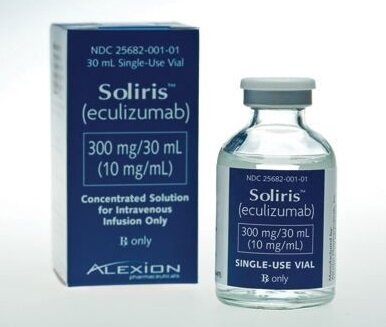
Notably, at the end of June this year, Alexion’s first-in-class complement inhibitor Soliris (eculizumab) received U.S.FDAApproved for adult patients with neuromyelitis optica spectrum disorder (NMOSD) who are positive for anti-aquaporin-4 (AQP4) antibodies. In late August this year, Soliris received further approval from the European Union for adult patients with AQP4 antibody-positive NMOSD and a relapsing disease course. In the United States and the European Union, Soliris is the first and only drug approved for the treatment of NMOSD. (Bioon.com)
Original Source: Chugai Files a New Drugapplication for Satralizumab for NMOSD in Japan, Following the United States and Europe