

Astellas Announces NMPA Approval of XTANDI® (Enzalutamide) for Metastatic Castration-Resistant Prostate Cancer in China
Nov 27, 2019 09:17
CST Updated
09:17

Astellas
Pharmaceutical R&D Manufacturer

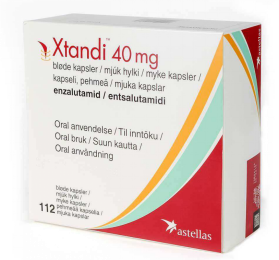
November 27, 2019 /BioValleyBIOON/ -- Japanese pharmaceutical company Astellas recently announced that the National Medical Products Administration (NMPA) of China approved the new drug application for Xtandi® (generic name: enzalutamide) on November 18. The drug is indicated for the treatment of adult patients with metastatic castration-resistant prostate cancer (mCRPC) who are asymptomatic or mildly symptomatic and have not received chemotherapy, following failure of androgen deprivation therapy (ADT).
This approval is based on the results of the Asian PREVAIL study, a multinational, randomized, double-blind, placebo-controlled Phase 3 efficacy and safety study of enzalutamide in patients with progressive metastatic prostate cancer who are asymptomatic or mildly symptomatic (experiencing disease progression despite androgen deprivation therapy [ADT]), as well as a single-dose pharmacokinetic study conducted in healthy Chinese volunteers (Protocol 9785-CL-0013).
The Asian PREVAIL study (also known as study 9785-CL-0232) evaluated and compared the efficacy and safety of oral enzalutamide (160 mg/day) versus placebo combined with gonadotropin-releasing hormone (GnRH) therapy or bilateral orchiectomy. Asian patients participated in this study, including approximately 200 Chinese patients. The results were consistent with those of the global pivotal Phase 3 PREVAIL study conducted in the same target population.
“In China, treatment options for patients with metastatic castration-resistant prostate cancer are currently limited.” AstellasTumorDr. Andrew Krivoshik, Senior Vice President of Academic Development and Global Therapeutic Area Head, stated, “The approval of XTANDI® represents a significant step forward in China, enabling us to meet the needs of Chinese physicians with high-quality treatment options.”
It has been demonstrated that patients receiving enzalutamide treatment had a statistically significant reduction in the risk of prostate-specific antigen (PSA) progression (hazard ratio [HR], 0.38 [95% confidence interval {CI}: 0.27, 0.52]; P < 0.0001). The median time to PSA progression was 8.31 months in the enzalutamide group compared with 2.86 months in the placebo group. Compared with the placebo group, enzalutamide treatment also significantly reduced the risk of radiographic disease progression or death, with statistical significance (HR, 0.31 [95% CI: 0.20, 0.46]; P < 0.0001). Furthermore, overall survival was significantly improved in patients treated with enzalutamide compared with those receiving placebo, with a 67% reduction in the risk of death (HR, 0.33 [95% CI: 0.16, 0.67]; P = 0.0015).
The Asian PREVAIL study found that the safety profile of enzalutamide was generally consistent with the results of previous clinical studies conducted in patients with metastatic castration-resistant prostate cancer. In a randomized, placebo-controlledClinical TrialsAmong patients receiving enzalutamide treatment, the most commonAdverse Reactions(≥10%) were asthenia/fatigue, decreased appetite, flushing, arthralgia, and dizziness/vertigo,Hypertension, headache and weight loss. TheseAdverse ReactionsThe incidence was higher than that in the placebo group (≥2%).
In addition to the Asian PREVAIL data, which included a Chinese subpopulation, the approval was also supported by the results of the global Phase 3 PREVAIL trial published in The New England Journal of Medicine in 2014. The Phase 3 PREVAIL trial was a randomized, double-blind, placebo-controlled, multinational study that enrolled more than 1,700 patients across the United States, Canada, Europe, Australia, Russia, Israel, and Asian regions, including Japan.
In countries where it is already marketed, enzalutamide is the standard of care for male patients with metastatic castration-resistant prostate cancer. Since 2012, the drug has been prescribed to more than 420,000 patients worldwide. Prostate cancer is the second most common malignant tumor in men globally and has become the most common malignant urologic cancer in men in China.Tumor。
“This approval marks a significant milestone. Based on the findings from the Asian PREVAIL study, tens of thousands of Chinese patients with metastatic castration-resistant prostate cancer can benefit from it, reducing the risk of disease progression and death,” said Hiroshi Hamaguchi, General Manager of Greater China at Astellas Pharma. “XTANDI® has become the first product approved in China for Astellas.”Tumortherapeutic drug, marking an important step forward for the company.”
# Metastatic Castration-Resistant Prostate Cancer (mCRPC)Prostate cancer is considered metastatic once it has spread to other parts of the body beyond the prostate. Metastatic castration-resistant prostate cancer (mCRPC) is a fatal disease, with a median survival of approximately 3–4 years in men who initiate androgen deprivation therapy (ADT).
Xtandi® (English brand name: Xtandi®, generic name: enzalutamide) is an androgen receptor signaling inhibitor administered orally once daily. Xtandi® directly targets the androgen receptor (AR) and acts at three steps in the AR signaling pathway.
play a role in the following steps: (1) Inhibiting androgen binding—androgen binding induces conformational changes that trigger receptor activation; (2) Preventing nuclear translocation—AR translocation to the nucleus is an essential step in AR-mediated gene regulation; (3) Weakening DNA binding—AR binding to DNA is crucial for regulating gene expression. (Bioon.com)
Original Source: Astellas Announces theapproval of XTANDI® (enzalutamide) by the China National Medical Products Administration (NMPA)