



On November 28, the National Healthcare Security Administration announced the list of drugs included in the 2019 National Reimbursement Drug List negotiation, with Roxadustat being included.
Roxadustat, co-developed by FibroGen and AstraZeneca, was first approved in China on December 18, 2018, for the treatment of anemia caused by chronic kidney disease (CKD) in patients undergoing dialysis. AstraZeneca stated, “The approval of roxadustat successfully achieved three ‘firsts’ in innovative breakthroughs, becoming the first globally pioneering original drug to adopt the innovative HIF mechanism, the first incubated locally in China, and the first to be approved in China.”
On August 19, roxadustat was approved in China for a new indication: the treatment of anemia in patients with chronic kidney disease (CKD) who are not on dialysis, significantly expanding the eligible patient population for roxadustat.
The number of patients with chronic kidney disease (CKD) in China has exceeded 120 million. Renal anemia is one of the common complications of chronic kidney disease, with an incidence rate as high as 98.2% among dialysis patients. However, the target achievement rate for anemia treatment (Hb ≥ 11 g/dL) in dialysis patients is only 21.3%. Poor control of renal anemia increases the risk of cardiovascular events and mortality in dialysis patients, adversely affecting their physical and mental health as well as social functioning, and imposing a substantial disease burden on their families and society at large.
Roxadustat is the world’s first small-molecule hypoxia-inducible factor prolyl hydroxylase inhibitor (HIF-PHI) developed for the treatment of renal anemia. Prior to its availability, the standard of care for renal anemia consisted of erythropoietin (EPO) replacement therapy using erythropoiesis-stimulating agents (ESAs), such as epoetin alfa, administered via subcutaneous injection in combination with intravenous iron supplementation. The approval of roxadustat enables oral administration, thereby improving patient adherence. While increasing red blood cell counts, it eliminates the need for intravenous iron supplementation and remains effective regardless of inflammatory status.
Professor Chen Xiangmei, an Academician of the Chinese Academy of Engineering and Director of the Institute of Nephrology of the People's Liberation Army, stated, "The field of renal anemia has long lacked innovative drugs with novel mechanisms. The emergence of roxadustat has changed this landscape, holding promise for improving the rate of anemia treatment target attainment among Chinese patients with chronic kidney disease (CKD) and significantly enhancing their quality of life."
The physiological effects of hypoxia-inducible factor (HIF) not only increase the expression of erythropoietin but also upregulate the expression of the erythropoietin receptor and proteins that promote iron absorption and circulation. Roxadustat inhibits prolyl hydroxylase (PH) by mimicking one of its substrates, alpha-ketoglutarate, thereby affecting the role of PH in maintaining the balance between HIF synthesis and degradation rates, ultimately achieving the goal of correcting anemia.
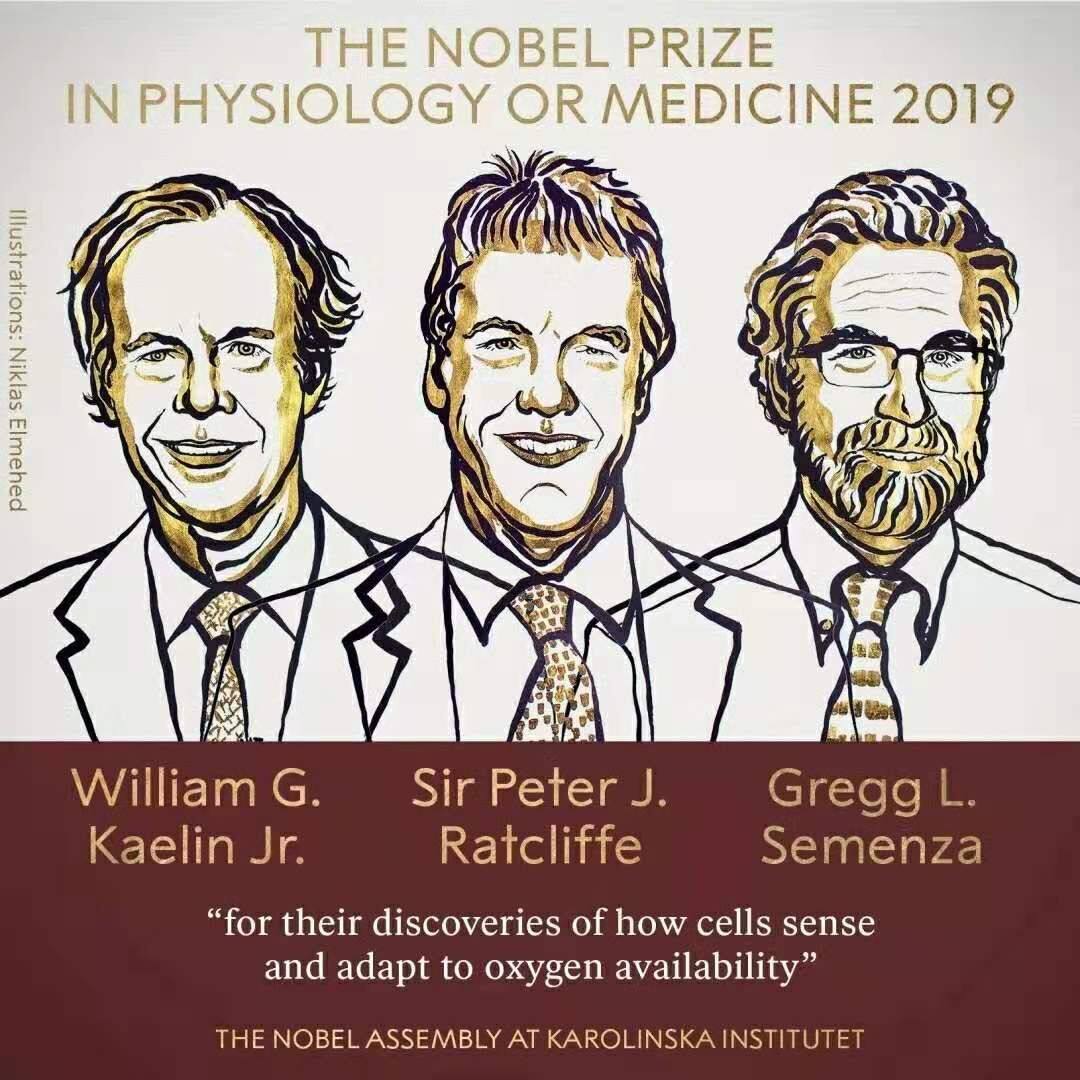
This achievement was awarded the 2019 Nobel Prize in Physiology or Medicine. Chinese patients have become the first to benefit from the “Nobel Prize-level” breakthrough, roxadustat.
Data from the PharmaGo database of Medicine Cube shows that the current median winning bid prices for roxadustat are RMB 82.67 per capsule (20 mg) and RMB 166.00 per capsule (50 mg). Clarivate predicts that sales of roxadustat could reach USD 2 billion in 2022, while analysts at EvaluatePharma forecast that peak annual sales of the drug will reach USD 5.8–8.1 billion.