


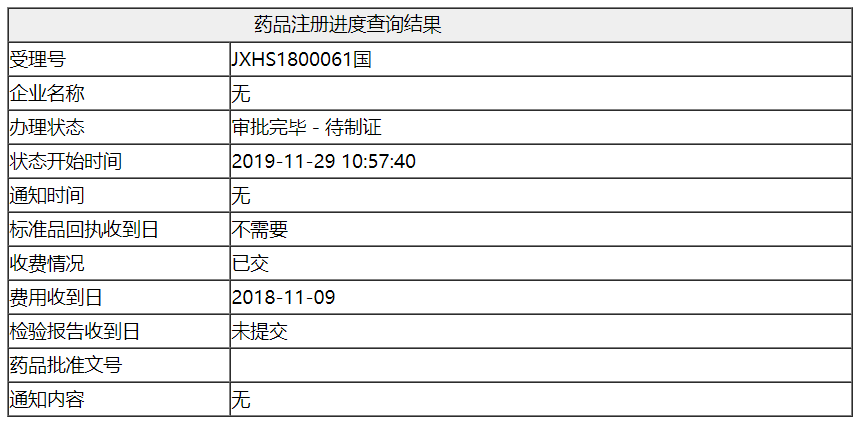
Recently, the application for a new indication of AstraZeneca’s PARP inhibitor olaparib (JXHS1800061/2) in China was approved by the National Medical Products Administration (NMPA) for first-line maintenance treatment of advanced ovarian cancer with BRCA mutations. This marks another expansion of olaparib’s indications in China, following its initial approval in August last year for maintenance treatment in patients with platinum-sensitive recurrent ovarian cancer, significantly broadening the eligible patient population.
PARP inhibitors are likely familiar to most. Poly (ADP-ribose) polymerase (PARP) participates in a series of physiological processes, including intracellular DNA damage repair and genomic stability maintenance. It represents a targeted therapy directed against defects in the DNA damage response (DDR) pathway, such as BRCA gene mutations. PARP is generally recognized as a crucial cellular DNA repair protein that primarily repairs single-strand DNA breaks, whereas BRCA proteins mainly repair double-strand DNA breaks. In cancer patients carrying BRCA1 or BRCA2 mutations, BRCA protein function is inactivated; consequently, DNA damage repair becomes increasingly dependent on PARP. If PARP activity is further inhibited, tumor cells will accumulate extensive DNA damage during cell division, ultimately leading to cell death.
Approximately 60% of patients with ovarian cancer harbor homologous recombination deficiency (HRD), including 20% with BRCA1/2 mutations, making this population one of the most suitable indications for PARP inhibitors. As the first PARP inhibitor approved globally, olaparib was granted FDA approval on December 19 last year for first-line maintenance treatment in patients with BRCA-mutated advanced ovarian cancer who have responded to platinum-based chemotherapy. Today, we will focus on the clinical value of PARP inhibitors, represented by olaparib, in the treatment of ovarian cancer.

I. Olaparib—A Major Breakthrough in the Clinical Treatment of Ovarian Cancer Over the Past 30 Years
Ovarian cancer is one of the most common gynecologic malignancies worldwide, ranking third in incidence among female reproductive system cancers and first in mortality among gynecologic malignancies. According to the latest data released by the National Cancer Center in 2019, ovarian cancer is a significant cause of death among women with malignant tumors in China, with its case fatality rate ranking among the top ten for all cancer types. Approximately 52,100 new cases of ovarian cancer are diagnosed annually in China, and about 25,000 patients died from the disease in 2015.
Due to its insidious onset and the lack of effective early screening methods, approximately 70% of ovarian cancer patients are diagnosed at an advanced stage. For the past 30 years, the treatment landscape for ovarian cancer has been dominated by surgery and chemotherapy, with virtually no major advancements. As the first single-agent targeted therapy for ovarian cancer, olaparib marks the entry of advanced ovarian cancer treatment into the era of targeted therapy. Particularly since its launch in China, experts and media have lavished praise on the drug, hailing it as the most significant breakthrough in the clinical treatment of ovarian cancer in three decades.
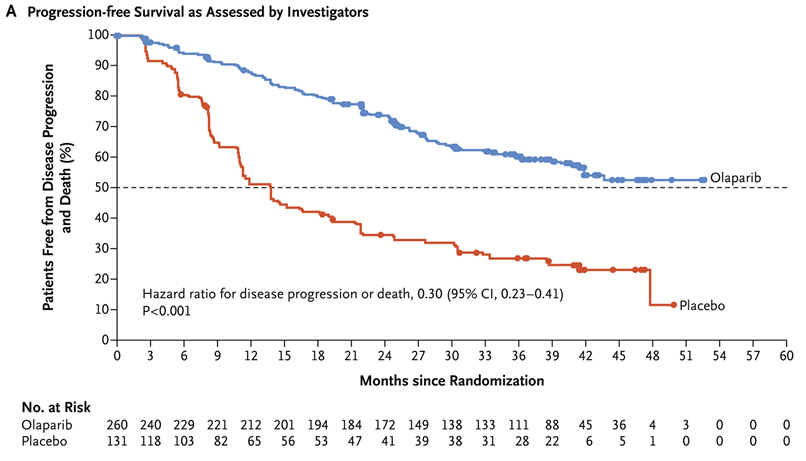
These accolades for olaparib are well-deserved, underpinned by robust evidence of its clinical benefit. At the 2018 European Society for Medical Oncology (ESMO) Annual Meeting, AstraZeneca and Merck & Co. announced the positive results from the pivotal Phase III SOLO-1 trial of olaparib. This randomized, double-blind, placebo-controlled study enrolled 391 previously untreated patients with advanced ovarian cancer who harbored deleterious or suspected deleterious germline or somatic BRCA1/2 mutations and had achieved a complete or partial response following platinum-based chemotherapy. Patients were randomized in a 2:1 ratio to receive maintenance therapy with either olaparib or placebo for up to two years or until disease progression. The primary endpoint was progression-free survival (PFS). Results showed that at a median follow-up of 41 months, olaparib reduced the risk of disease progression or death by 70% (hazard ratio [HR] 0.30; 95% confidence interval [CI] 0.23–0.41; p<0.0001), significantly prolonging PFS (median not reached vs. 13.8 months). Sixty percent of patients in the olaparib group remained free of disease progression at three years, compared with only 27% in the placebo group.
SOLO-1 Study Progression-Free Survival Curve
At this year’s ASCO meeting, AstraZeneca updated the results of the Chinese subgroup from the SOLO-1 trial. The data showed that at a median follow-up of 30 months, the median PFS in the placebo group (n=20) was 9.3 months, while the median PFS in the olaparib group (n=44) had not yet matured. Olaparib reduced the risk of disease progression or death by 54%, strongly demonstrating its therapeutic benefit as first-line maintenance treatment for Chinese patients with ovarian cancer. These results from the Chinese subgroup also served as one of the key bases for the approval of olaparib in China as first-line maintenance therapy for advanced ovarian cancer.
In China, the current clinical management of ovarian cancer primarily relies on surgery and platinum- and taxane-based chemotherapy regimens. A considerable proportion of patients achieve remission after initial chemotherapy; however, approximately 70% of patients experience recurrence within three years. Patients with recurrent disease subsequently undergo multiple lines of chemotherapy, with each subsequent treatment yielding progressively shorter periods of remission and diminishing sensitivity to platinum agents, ultimately leading to platinum resistance. The severe toxicities associated with long-term chemotherapy significantly compromise patients’ quality of life. From a clinical perspective, the primary challenges in ovarian cancer management are to delay recurrence, improve quality of life, and prolong progression-free survival.
Olaparib was initially approved for maintenance therapy in patients with platinum-sensitive recurrent ovarian cancer harboring BRCA mutations. Subsequently, accumulating evidence-based medical data from clinical trials elevated its status to first-line maintenance therapy. In China, it has been successively approved as monotherapy maintenance treatment for patients with late-stage platinum-sensitive recurrent ovarian cancer and as monotherapy maintenance treatment for patients with first-line BRCA-mutated ovarian cancer. This addresses the clinical need in China to reduce the risks of disease recurrence and mortality in ovarian cancer patients, underscoring its significant clinical importance.
II. PARP Inhibitors—Boundless Market Potential
In addition to delivering significant clinical benefits for patients with ovarian cancer, olaparib continues to expand into new indications, having already secured approval for the treatment of breast cancer and multiple other tumor types. However, AstraZeneca’s ambitions for olaparib do not stop there; the company is still conducting clinical studies of olaparib as monotherapy or in combination with other agents across various malignancies, aiming to unlock its therapeutic potential in prostate cancer, non-small cell lung cancer, pancreatic cancer, and gastric cancer, among others. Notably, some of these studies have already yielded significant clinical benefit data.
Global Development Status of Olaparib Indications
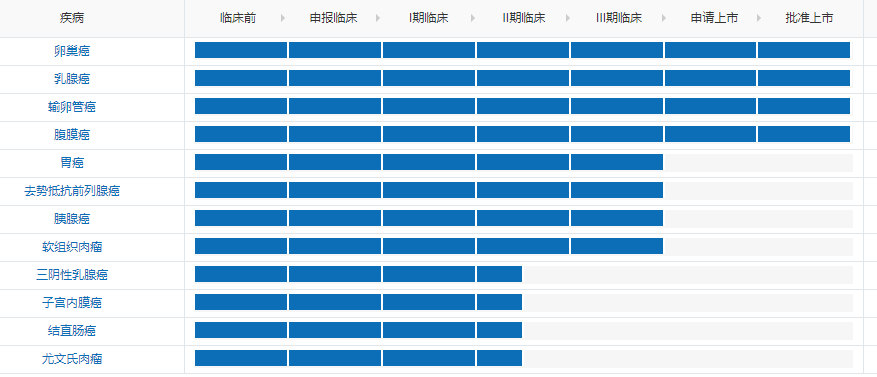
Source: PharmaCube NextPharma
During this year’s ASCO Annual Meeting, AstraZeneca announced positive results from the Phase III POLO study evaluating olaparib as first-line maintenance therapy in patients with germline BRCA-mutated (gBRCA+) metastatic pancreatic cancer who had not progressed following platinum-based chemotherapy. The results demonstrated that olaparib doubled progression-free survival (PFS) compared with placebo (7.4 vs. 3.8 months), reduced the risk of disease progression by 47% (HR 0.53), and doubled the 1-year PFS rate (33.74% vs. 14.5%) and the 2-year PFS rate (22.1% vs. 9.6%).
Metastatic pancreatic cancer progresses rapidly and has the lowest five-year survival rate among all cancers, earning it the moniker “King of Cancers.” For many years, the mainstream treatment regimen in China has been gemcitabine-based combination chemotherapy. Olaparib, used as maintenance therapy in patients whose disease has not progressed after first-line platinum-based chemotherapy, significantly delays disease progression or death and increases the proportion of patients eligible for second-line treatment. This represents a major breakthrough in the pharmacological management of pancreatic cancer in over two decades.
Furthermore, the Phase III study of olaparib in metastatic castration-resistant prostate cancer yielded positive results at this year’s ESMO conference in September, making it the first PARP inhibitor to achieve positive Phase III outcomes across four major cancer types: ovarian cancer, breast cancer, pancreatic cancer, and prostate cancer.
The market has never been stingy in rewarding drugs that deliver truly significant clinical benefits or improvements in quality of life for patients. Global sales of olaparib saw substantial growth in 2018, reaching $647 million. In the first nine months of this year alone, sales surged to $847 million, representing a 98% year-on-year increase. If olaparib can further expand its indications globally to include additional cancer types such as prostate and pancreatic cancers, its market performance is poised to become even more impressive.
Benefiting from China’s strong support for pharmaceutical innovation and the accelerated approval of new drugs urgently needed in clinical practice, olaparib is currently the first and only PARP inhibitor approved in China for first-line maintenance treatment of ovarian cancer. In the national medical insurance negotiations, with results announced in late November, olaparib was successfully included in Category B of the 2019 National Reimbursement Drug List for maintenance treatment of platinum-sensitive recurrent ovarian cancer, regardless of BRCA mutation status. The updated list is scheduled to take effect on January 1, 2020. Based on the officially reported average price reduction of approximately 60% for successfully negotiated drugs, it is expected that the financial burden on patients in China will be significantly alleviated, which is undoubtedly tremendous news for Chinese patients with recurrent ovarian cancer.