

Bristol Myers Squibb’s Anti-CD19 CAR-T Therapy Lisocabtagene Maraleucel Demonstrates Rapid MRD-Negative Remissions in High-Risk Relapsed/Refractory CLL/SLL
Dec 10, 2019 09:28
CST Updated
09:28
Bristol-Myers Squibb
Biopharmaceutical and Nutritional Product R&D and Sales
American Society of Hematology
ASH provides the latest hematology practice tools, clinical support, and educational resources needed at every stage of your career. Developed by subject matter experts, our suite of web-based resources is designed to help physicians enhance their medical knowledge, engage in high-quality professional activities, connect with and learn from thousands of hematologists worldwide, and continue advancing the fight against blood diseases globally.

December 10, 2019 /Bio ValleyBIOON/ -- The 61st Annual Meeting of the American Society of Hematology (ASH 2019) was recently held in Orlando, Florida, USA. ThisMeetingAt the conference, Bristol-Myers Squibb (BMS) announced results for lisocabtagene maraleucel (liso-cel, JCAR017), an anti-CD19 CAR-T cell therapy, in the treatment of relapsed or refractory chronic lymphocyticLeukemiaor data from the Phase I/II TRANSCEND CLL 004 study in patients with relapsed/refractory chronic lymphocytic leukemia/small lymphocytic lymphoma (R/R CLL/SLL).
At the data cutoff, 23 patients with CLL/SLL who had previously received at least three prior therapies (for standard-risk disease) or two prior therapies (for high-risk disease) were evaluable for safety, and 22 patients were evaluable for efficacy. The median number of prior therapies was 5 (range, 2–11). All patients (23/23) had previously received the BTK inhibitor ibrutinib, and the majority (21/23) were refractory to ibrutinib or experienced relapse after treatment. Nine patients (39%) had failed both a BTK inhibitor (disease progression during treatment) and venetoclax (a Bcl-2 inhibitor; no response after at least 3 months of treatment). Most patients (83%) had high-risk features, including deletion 17p (del17p; 35%, 8/23) and TP53 mutations (61%, 14/23). Patients received 50×10⁶ (n=9) or 100×10⁶ (n=14) CAR+ T cells following lymphodepletion.
With a median follow-up of 11 months, the overall response rate (ORR) among patients treated with liso-cel was 81.5% (18/22; 95% CI: 59.7–94.8), and the complete response (CR) rate was 45.5% (10/22). Among patients who had failed treatment with one BTK inhibitor and venetoclax, the ORR was 89% (8/9; 95% CI: 51.8–99.7) and the CR rate was 67% (6/9). By day 30 post-treatment, 68% (15/22) of patients had achieved an early objective response. Among the 12 patients who maintained their response at 6 months, 10 remained progression-free for at least 9 months, and 8 remained progression-free for 12 months or longer. Among 20 patients evaluable for minimal residual disease (MRD), the majority achieved undetectable MRD (i.e., MRD negativity) by next-generation sequencing in blood (75%) and bone marrow (65%). All MRD-negative patients remained in this state at the last follow-up.
The above results confirm that patients with relapsed or refractory CLL/SLL who were heavily pre-treated, including those who had failed ibrutinib and venetoclax therapy, achieved durable complete responses, including undetectable MRD (MRD-negative), after receiving liso-cel treatment.

In this study, treatment-emergent adverse events (TEAEs) of any grade occurred in 100% (23/23) of patients, and Grade ≥3 TEAEs occurred in 96% (22/23) of patients. The most common Grade ≥3 TEAEs (occurring in at least 25% of patients) includedAnemia(78%, 18/23), thrombocytopenia (70%, 16/23), neutropenia (56.5%, 13/23), leukopenia (43.5%, 10/23), febrile neutropenia (26%, 6/23), lymphopenia (26%, 6/23), and cytokine release syndrome (9%, 2/23).
The proportion of patients who experienced cytokine release syndrome (CRS) of any grade was 74% (17/23), with 9% (2/23) experiencing Grade 3 CRS. Neurological events (NE) of any grade occurred in 39% (9/23) of patients, and 22% (5/23) experienced NE of Grade ≥3. The median time to onset of CRS was 4 days (range, 1–10 days), and the median time to onset of NE was 4 days (range, 2–21 days). The incidence and severity of CRS and NE were similar among patients who had failed treatment with BTK inhibitors and venetoclax. A total of 74% (17/23) of patients received anti-inflammatory therapy with RoActemra/Actemra (generic name: tocilizumab) and/or corticosteroids. No Grade 5 events occurred.
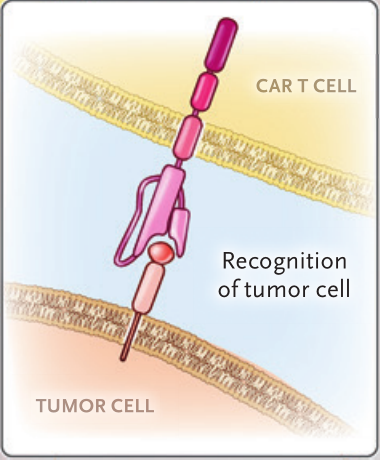
Liso-cel was developed by Juno, which was acquired in January 2018 for $9 billion. It is a CAR-T cell therapy targeting the CD19 antigen with 4-1BB as the co-stimulatory domain, featuring a precise 1:1 ratio of CD4+ and CD8+ CAR-T cells. Liso-cel represents a potential best-in-class CD19-directed CAR-T therapy, previously approved by the U.S.FDAGranted Breakthrough Therapy Designation.
In early January this year, Bristol-Myers Squibb announced its $74 billion acquisition of Celgene. After a series of twists and turns, the massive deal was finally completed on November 21, 2019.
Liso-cel is poised to become the third CAR-T cell therapy to reach the market, following the two CAR-T cell therapies already approved.NovartisKymriah and Gilead’s Yescarta target the same antigen; however, patients receiving liso-cel undergo pre-separation of CD4+ and CD8+ T cells prior to chimeric antigen receptor (CAR) transduction. The separately transduced cells are then reinfused into the patient at a specific 1:1 ratio, resulting in a more favorable safety profile compared with other CAR-T therapies, such as a lower incidence of cytokine release syndrome. (Bioon.com)