

FDA Advisory Committee Recommends Approval of Merck’s KEYTRUDA® for High-Risk, BCG-Unresponsive Non-Muscle Invasive Bladder Cancer
Dec 19, 2019 09:44
CST Updated
09:44

MSD
Pharmaceutical R&D and Manufacturer

FDA
U.S. Food and Drug Administration

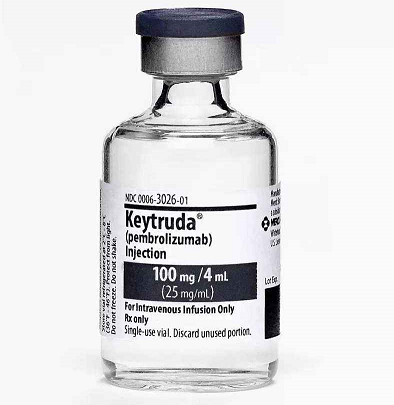
December 19, 2019 News /BioValleyBIOON/ -- Tumor immunotherapy giant Merck & Co. (MSD) recently announced that the U.S. Food and Drug Administration (FDA)TumorThe Oncologic Drugs Advisory Committee (ODAC) voted 9 to 4 in favor of recommending approval of the anti-PD-1 therapy Keytruda (Chinese brand name: Keytruda; generic name: pembrolizumab) for the treatment of certain patients with high-risk muscle-invasive bladder cancer (NMIBC).
The ODAC discussion is based on a supplemental Biologics License Application (sBLA), which is currently under review.FDAPriority review to seek approval for a new indication of Keytruda: as a monotherapy for the treatment of BCG-unresponsive, high-risk non-muscle-invasive bladder cancer with carcinoma in situ (CIS), with or without papillary tumors, in patients who are ineligible for or have elected not to undergo cystectomy (bladder removal)Tumorwith NMIBC. Previously, MSD had projected that, based on priority review, the Prescription Drug User Fee Act (PDUFA) target action date for this sBLA would be January 2020.
Dr. Roy Baynes, Chief Medical Officer, Senior Vice President, and Head of Global Clinical Development at Merck Research Laboratories, stated: “Today’s ODACMeetingThe voting results supported the potential of Keytruda for treating certain patients with high-risk, non-muscle-invasive bladder cancer. Currently, FDA-approved non-surgical treatment options for this patient population are limited. We are encouraged by today’s productive discussions and look forward to engaging with the Agency during the review process.FDAclose collaboration.”
This sBLA is based on Phase IIClinical TrialResults of KEYNOTE-057 (NCT02625961). This was a multicenter, open-label, single-arm trial. Cohort A enrolled 102 patients with BCG-unresponsive, high-risk, non-muscle-invasive bladder cancer (NMIBC) with carcinoma in situ (CIS), with or without papillary tumors, who were ineligible for or declined cystectomy. In this study, BCG-unresponsive high-risk NMIBC was defined as: persistent disease despite adequate BCG therapy; recurrence after achieving an initial disease-free state following adequate BCG therapy; or progression to T1 disease after a single induction course of BCG. In the study, patients received intravenous infusions of Keytruda at a fixed dose of 200 mg every three weeks until unacceptable toxicity, persistent or recurrent high-risk NMIBC, or disease progression occurred. During treatment, patients were evaluated every 12 weeks.TumorAn assessment was conducted, and patients without disease progression could receive treatment for up to 24 months. The primary efficacy endpoints were complete response (CR, defined as negative results on cystoscopy, urine cytology, and computed tomography urography) and duration of response (DoR).
The data from this study were first presented at the European Society for Medical Oncology (ESMO) Annual Meeting held in October 2018: At the interim analysis, the complete response (CR) rate after 3 months of Keytruda treatment was 38.8% (95% CI: 29.4–48.9). The non-CR rate at 3 months of treatment was 55.3% (95% CI: 45.2–65.1), with these patients having persistent disease (CIS +/- papillaryTumor), progression of NMIBC stage (baseline CIS +/- high-grade Ta progressing to T1 disease) or extravesical disease. In the analysis, 72.5% of patients with a CR response maintained their response (n=29/40), and 25% experienced recurrence after achieving CR (n=10/40). One patient who did not experience recurrent disease discontinued study treatment and initiated alternative therapy. No patients in Cohort A progressed to muscle-invasive or metastatic urothelial carcinoma (UC). Among patients who achieved CR at 3 months of treatment, 80% maintained CR for 6 months or longer. The median duration of response was not reached (range: 0+ to 14.1+ months). The median follow-up time was 14.0 months (range: 4.0–26.3 months).
The safety profile of Keytruda in this study was consistent with that observed in previous trials of Keytruda monotherapy. Treatment-related adverse events (TRAEs) occurred in 63.1% of patients. The most common TRAEs (incidence ≥5%) were pruritus (10.7%), fatigue (9.7%), diarrhea (8.7%), hypothyroidism (5.8%), and maculopapular rash (5.8%). Grade 3–5 TRAEs occurred in 13 patients (12.6%); one death was considered treatment-related by the study investigator.
Bladder cancer is the sixth most common cancer in the United States. Approximately 80% of cases are non-muscle-invasive bladder cancer (NMIBC), meaning the cancer cells are confined to the inner lining of the bladder or have grown into the bladder lumen but have not yet invaded the muscle layer or other tissues. NMIBC predominantly affects men and is associated with exposure to carcinogens. The recurrence rate after initial surgical resection is high, with more than 60% of patients receiving Bacillus Calmette-Guérin (BCG) immunotherapy. Although BCG is effective in many patients, issues with tolerance have been observed, and many patients experience disease recurrence. For high-risk NMIBC patients who do not respond to BCG therapy or have persistent or recurrent disease, guidelines recommend radical cystectomy, which involves the complete removal of the bladder.
Keytruda is a PD-(L)1 cancer immunotherapy that helps detect and fight tumor cells by enhancing the body's immune system. Keytruda activates potentially affected pathways by blocking the interaction between PD-1 and its ligands, PD-L1 and PD-L2.TumorT lymphocytes of cells and healthy cells.
To date, multiple PD-(L)1 inhibitors have been approved globally.TumorImmunotherapy approvals have been granted, with Keytruda emerging as the leader in this field, having received approval for more than 20 therapeutic indications.
At the end of last month, Keytruda received approval from China’s National Medical Products Administration (NMPA) for use in combination with carboplatin and paclitaxel as a first-line treatment for metastatic squamous non-small cell lung cancer (NSCLC). Notably, this marks the third first-line approval for Keytruda in the treatment of NSCLC within less than a year. The drug is now approved in China for use in combination with chemotherapy as a first-line treatment for both squamous and non-squamous NSCLC, as well as for monotherapy in NSCLC (Tumorthe first anti-PD-1 therapy (with a Tumor Proportion Score [TPS] ≥1%). (Bioon.com)