

Vedanta Biosciences Initiates First-in-Human Study of VE800 in Combination with Bristol-Myers Squibb’s Opdivo (Nivolumab) for Advanced Cancers
Dec 29, 2019 12:45
CST Updated
12:45

Vedanta Biosciences
Immunotherapy Developer

Bristol-Myers Squibb
Biopharmaceutical and Nutritional Product R&D and Sales
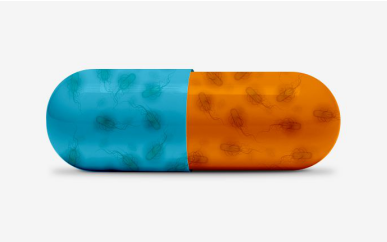
December 29, 2019 /BioValleyBIOON/ --Vedanta Biosciences is a clinical-stage microbiome company focused on developing a novel class of therapies based on rationally designed human bacterial consortia for the treatment of immune-mediated diseases. Recently, the company announced the initiation of the first-in-human clinical study of its microbiome therapy VE800, evaluating the combination of this therapy with Bristol-Myers Squibb’s (BMS) anti-PD-1 therapy Opdivo (brand name: Opdivo; generic name: nivolumab) for the treatment of patients with selected types of advanced or metastatic cancer. Notably, this is a rationally definedBacteriaFirst clinical study of the combination product. The company also announced the establishment of a Scientific Advisory Board (SAB) for immuno-oncology, which comprisesImmunology, ImmunityTumorcomposed of experts in the fields of [discipline] and microbiomics, with the aim of supporting the planned clinical development of VE800.
Vedanta and BMS entered into a clinical collaboration in December 2018 to develop the VE800 plus Opdivo combination for multiple types of advanced or metastatic cancer. The study now being initiated is being conducted at clinical centers in the United States and will assess, among other parameters, the safety and tolerability of the combination of VE800 and Opdivo, as well as its clinical activity using confirmed overall response rate (ORR). This open-label, non-randomized study will enroll more than 100 patients with confirmed advanced or metastaticMelanomapatients with gastric/gastroesophageal junction adenocarcinoma or microsatellite stable (MSS) colorectal cancer. In the study, eligible patients will receive daily VE800 in combination with Opdivo, with top-line results expected by 2021.
Dr. Bernat Olle, Co-Founder and Chief Executive Officer of Vedanta Biosciences, stated, “Despite unprecedented global investment in checkpoint inhibitors, there remains a need for alternative approaches to further enhance and broaden responses to cancer. Previous approaches have overlooked the role of the gut microbiome in modulating responses to immunotherapy; therefore, we are excited about the potential of microbiome modulation to unlock entirely new avenues for cancer treatment.”
Opdivo is a PD-(L)1 cancer immunotherapy designed to harness the body’s own immune system to fight cancer by blocking the PD-1/PD-L1 signaling pathway, thereby inducing cancer cell death, and is indicated for the treatment of various typesTumorpotential. To date, Opdivo has been approved for multiple cancer indications.
VE800 is a rationally designed, human bacterial consortium. It is a proprietary, oral immuno-oncology candidate product derived from pure, non-pathogenic clonal bacterial cell banks, which yield a standardized powdered drug product. VE800 comprises 11 commensalBacteriaBacterial strain composition, which collectively activates cytotoxic CD8+ T cells—the vanguard of the immune system’s response to tumors and a key driver in generating effective immunotherapy. In preclinical studies, VE800 has been demonstrated to enhance the ability of these T cells to infiltrate tumors, thereby promoting suppressionTumorgrowth and improved survival rates. Preclinical data also suggest that VE800 may enhance the effects of immune checkpoint inhibitors.
Vedanta and its scientific co-founder, Dr. Kenya Honda from the School of Medicine at Keio University in Japan, published a foundational study in Nature, demonstrating the novel anti-tumor activity of VE800 and its synergistic enhancement of responses to checkpoint inhibitor therapy and various immune challenges. The study also showed that when VE800 is used in combination with PD-1 or CTLA4 immune checkpoint inhibitors, VE800 demonstrates efficacy across a range ofTumorThe model demonstrated enhanced therapeutic efficacy.
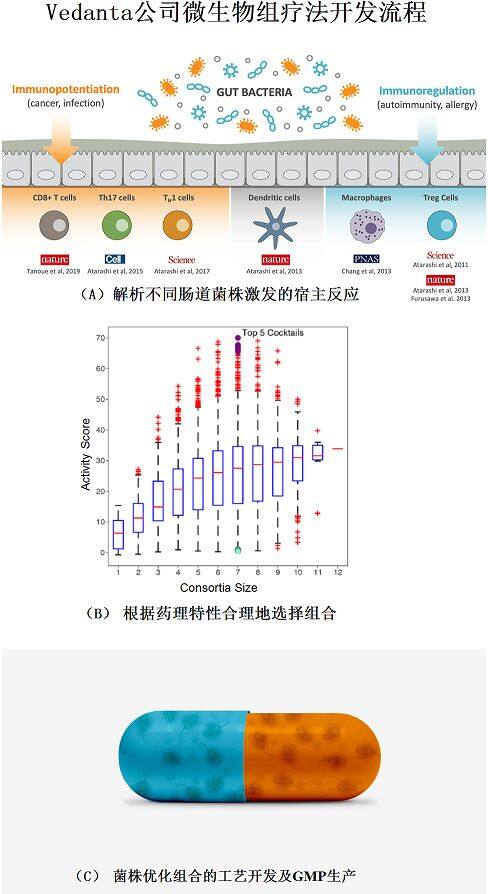
Vedanta Biosciences is dedicated to developing a class of innovative therapeutics that modulate the interactions between the human microbiome and the immune system. Leveraging its proprietary technology platform, Vedanta Biosciences has not only isolated numerous commensal bacterial strains from the human gut but also elucidated the human immune system’s responses to these strains. Certain strains capable of suppressing the human immune response may hold therapeutic potential for the treatment ofAutoimmunitydiseases, such as inflammatory bowel disease (IBD). Meanwhile, certain other strains can trigger the body's immune response, potentially helping the host mount a stronger counterattack against infections or cancer.
Currently, Vedanta Biosciences has cultivated one of the largest and most diverse collections of gut commensal bacterial cultures globally. By leveraging pharmacologically relevant characteristics of different strains, such as their ability to induce distinct types of immune responses, various strains are rationally combined using proprietaryBioinformaticstools and mathematical modeling to understand how to optimally combine bacterial strains, Vedanta aims to develop therapies for infectious diseases, inflammation, immune tolerance, and immunityTumorinnovative drugs related to the discipline.
Unlike approaches to microbiome modulation that involve single strains or microbiome-derived metabolites, Vedanta Biosciences’ defined bacterial consortium therapies aim to induce robust and durable therapeutic changes in patients’ gut microbiota. Distinct from fecal microbiota transplantation or the use of fecal components, these defined bacterial consortium therapies consist of well-characterized ingredients produced from pure clonal banks, thereby bypassing the need for donor fecal materials that are directly sourced and variable in composition. In preclinical and clinical studies, such humanBacteriaThe combination therapy is safe and well-tolerated, with favorable pharmacokinetic and pharmacodynamic profiles in humans.
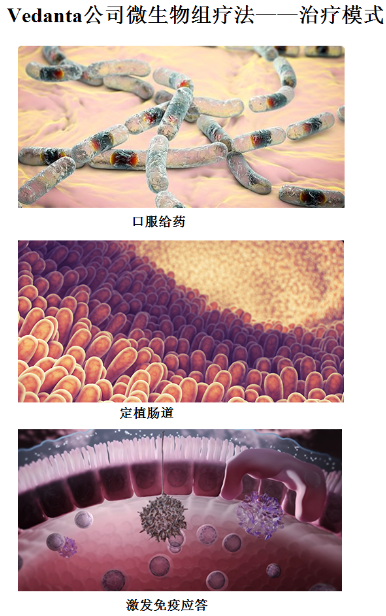
Vedanta Biosciences' HumanBacteriaCombination therapy, administered as a lyophilized bacterial powder in oral capsule form. After oral administration, the live bacteria travel along the gastrointestinal tract and colonize the intestine, stimulating a series of immune responses, including immunomodulatory responses (with therapeuticAutoimmunityand the potential for allergic diseases) and immune-enhancing responses (with potential for cancer and vaccination).
By rationally selecting and combining different bacterial strains, Vedanta aims to develop therapies for infectious diseases, inflammation, immune tolerance, and immunityTumorInnovative drugs related to academia. In addition to Bristol-Myers Squibb, Vedanta has also reached a cooperation agreement with Janssen Biotech, Inc., a subsidiary of Johnson & Johnson, with a total value of up to $390 million. In November 2018, Janssen and Vedanta announced the launch of the first Phase I clinical study to explore the potential of VE202, an oral live microbiome therapy, in treating inflammatory bowel disease (IBS). The initiation of this study triggered a $12 million milestone payment from Janssen to Vedanta. (Bioon.com)
Original Source: Vedanta Biosciences Announces Initiation of First-in-Patient Study of Immuno-Oncology Candidate VE800 In Combination with Bristol-Myers Squibb's Opdivo® (Nivolumab)