

AstraZeneca Halts Epanova Phase III STRENGTH Trial Due to Lack of Cardiovascular Benefit, Takes $100M Write-Down
Jan 14, 2020 10:43
CST Updated
10:43

AstraZeneca
Biopharmaceutical Manufacturer

January 14, 2020 /BioValleyBIOON/ --AstraZeneca(AstraZeneca) recently announced that, based on the recommendation of the Independent Data Monitoring Committee (IDMC), the company has decided to terminate the Phase III STRENGTH study (NCT02104817) of Epanova (ω-3 carboxylic acids), due to the low likelihood that Epanova would benefit patients with mixed dyslipidemia (MDL) and increased cardiovascular (CV) disease risk.
STRENGTH was a large-scale, global, randomized, double-blind, placebo-controlled, parallel-group cardiovascular outcomes study that enrolled 13,086 patients across 675 clinical centers in 22 countries to evaluate the long-term efficacy and safety of Epanova (4 g daily) versus placebo (corn oil), each administered in combination with standard-of-care statin therapy, for the prevention and reduction of major adverse cardiovascular events (MACE).
MDL includes patients with elevated triglyceride levels (moderate hypertriglyceridemia, triglyceride levels: 175-499 mg/dL) and low HDL-C (high-density lipoprotein cholesterol). Elevated triglycerides affect an increasing number of patients and are often exacerbated byDiabetesor worsened by other factors such as obesity. Lifestyle modifications and potential treatments may at least partially improve the condition and reduce cardiovascular risk.
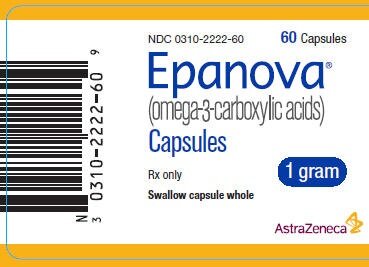
Epanova is the first prescription omega-3 free fatty acid approved by the U.S. FDA. Derived from fish oil, it consists of an ultra-pure mixture of the free fatty acids docosahexaenoic acid (DHA) and eicosapentaenoic acid (EPA). It effectively lowers triglyceride levels and improves other major lipid parameters. The medication is formulated as coated gelatin soft capsules, with two dosage options: 2 grams per day (2 capsules) or 4 grams per day (4 capsules). Approved by the U.S. FDA, Epanova is indicated as an adjunct to dietary measures to reduce triglyceride levels in adult patients with severe hypertriglyceridemia (>500 mg/dL). This indication is not affected by the data from the Phase III STRENGTH study.
Mene Pangalos, Executive Vice President of BioPharmaceuticals R&D at AstraZeneca, stated, “It was important to assess the potential benefits of Epanova in treating mixed dyslipidemia. We are disappointed with these results, but we remain committed to addressing the needs of patients in the cardiovascular field through our broad pipeline.”
Steven E. Nissen, Director of the Heart & Vascular Institute at Cleveland Clinic and Chair of the STRENGTH study, stated: “The academic leadership of the STRENGTH trial is clearly disappointed by these results, but we are very proud to have had the opportunity to answer this important scientific question. We are also deeply grateful for the opportunity to conduct the STRENGTH trial as a model collaboration between academic physicians and industry.”
According to the statement released by AstraZeneca, the STRENGTH trial will now be terminated in an orderly manner. The complete data will be presented at the upcoming medicalConferencepublished above.
AstraZeneca is currently reviewing the continuing value of the $553 million in intangible assets associated with Epanova, with any impairment to be classified as a non-core item in the fourth quarter of 2019. The project is expected to incur a $100 million impairment, which will impact core earnings for the fourth quarter of 2019.
Major Milestone in Cardiovascular Prevention! "Fish Oil" Vascepa Approved in the USFDAApproved: The First Statin for Reducing Cardiovascular Risk in High-Risk Patients!

Other “fish oil” prescription drugs similar to Epanova for the treatment of hypertriglyceridemia include Lovaza (omega-3 acid ethyl esters) and Vascepa (icosapent ethyl). In April 2013, a generic version of Lovaza was approved.
“Fish oil” products are used for cardiovascular prevention. Notably, in December 2019, Amarin’s fish oil-derived drug Vascepa (icosapent ethyl) received approval from the U.S. FDA for a new indication and label expansion. After more than a decade of development and testing, Vascepa is nowFDAThe first and only approved drug—as an adjunct to maximally tolerated statin therapy, for elevated triglyceride (TG) levels (≥150 mg/dL) in patients with cardiovascular disease orDiabetes, adult patients with two or more cardiovascular risk factors, to reduce myocardial infarction,Stroke, coronary revascularization, and the risk of unstable angina requiring hospitalization.
It is estimated that millions of high-risk patients in the United States could benefit from this unique prescription therapy. Vascepa is the first approved medication proven to effectively reduce the risk of residual cardiovascular events in patients with dyslipidemia whose low-density lipoprotein cholesterol (LDL-C) levels are controlled with statin therapy but who still have elevated triglyceride (TG) levels.
This approval is based on the results of the landmark cardiovascular outcomes study, REDUCE-IT. Deepak L. Bhatt, MD, Professor of Medicine at Harvard Medical School and Executive Director of the Cardiovascular Intervention Program at Brigham and Women’s Hospital, who served as the principal investigator of the study, previously stated: “The approval of Vascepa as an adjunct to statin therapy to reduce the risk of cardiovascular events represents a significant milestone in cardiovascular prevention. Since the introduction of statins nearly 30 years ago, there has been no change of this magnitude in the field of cardiovascular disease prevention. Many patients will benefit from this historic advance in care.”
REDUCE-IT was a global study that enrolled 8,179 high-risk patients already receiving statin therapy, who had well-controlled LDL-C levels but remained at high risk for cardiovascular (CV) events. The study evaluated the efficacy and safety of Vascepa (4 g daily) versus placebo, with a median follow-up duration of 4.9 years. The results showed that the study met its primary endpoint; in the intention-to-treat population, Vascepa reduced the relative risk of first major adverse cardiovascular events (MACE) by 25% compared with placebo, with highly statistically significant data (HR=0.75, 95% CI: 0.68–0.83, p<0.001). MACE was composed of cardiovascular death, non-fatal myocardial infarction (MI or heart attack), non-fatal stroke, coronary revascularization (such as stenting and bypass surgery), and unstable angina requiring hospitalization. Furthermore, in published exploratory analyses, Vascepa reduced the relative risk of total (first and subsequent) cardiovascular events by 30% compared with placebo, which was statistically significant. In this study, the most common adverse events (incidence >5% and higher than in the placebo group) in the Vascepa treatment group were: peripheral edema (6.5% vs. 5.0%), constipation (5.3% vs. 3.6%), and atrial fibrillation (5.3% vs. 3.9%).
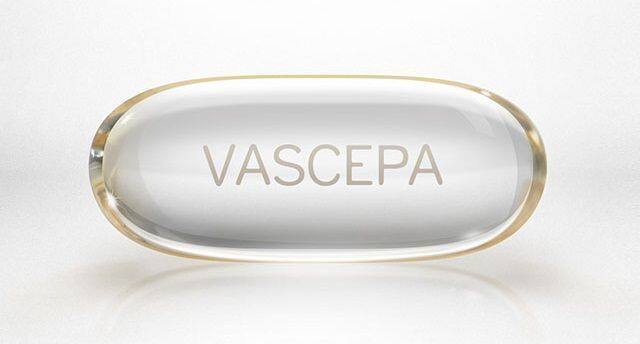
Cardiovascular disease remains the leading cause of death worldwide. Although statin therapy can reduce the risk of adverse cardiovascular events, many patients still exhibit elevated triglyceride (TG) levels—a key indicator of cardiovascular disease—even after their low-density lipoprotein cholesterol (LDL-C) levels have reached target ranges, posing a significant challenge to health.
Vascepa (icosapent ethyl) is subjected to rigorous, complex,FDAA prescription-only, single-molecule product containing high-purity EPA (eicosapentaenoic acid) extracted from deep-sea fish using a regulated manufacturing process. This product’sManufacturing ProcessVascepa effectively eliminates impurities while isolating and protecting the single-molecule active ingredient, and has been granted multiple international patents due to its unique clinical profile. Vascepa reduces triglyceride (TG) levels in relevant patient populations without increasing LDL-C levels.
In the United States, Vascepa was approved in 2012FDAApproved as an adjunct to diet control for reducing triglyceride (TG) levels in adult patients with severe hypertriglyceridemia (≥500 mg/dL). Currently, Vascepa is under review by the European Medicines Agency (EMA) for reducing the risk of cardiovascular (CV) events in high-risk patients who are on statin therapy for cholesterol control but have elevated triglycerides (≥135 mg/dL) and other CV risk factors. The EMA is expected to complete its review by the end of 2020. (Bioon.com)