

AstraZeneca’s Imfinzi and Tremelimumab Receive FDA Orphan Drug Designation for First-Line Hepatocellular Carcinoma Treatment
Jan 21, 2020 14:49
CST Updated
14:49

AstraZeneca
Biopharmaceutical Manufacturer

FDA
U.S. Food and Drug Administration
January 21, 2020 /BioValleyBIOON/ --AstraZeneca(AstraZeneca) recently announced that the anti-PD-L1 therapy Imfinzi (brand name: Imfinzi, generic name: durvalumab) and the anti-CTLA-4 therapy tremelimumab have both been approved by the U.S. Food and Drug Administration (FDA) was granted orphan drug designation for the treatment of hepatocellular carcinoma (HCC).
In China, Imfinzi was officially approved by the National Medical Products Administration (NMPA) in December 2019 for the treatment of patients with unresectable, stage III non-small cell lung cancer (NSCLC) who have not experienced disease progression following concurrent chemoradiotherapy with platinum-based chemotherapy. The phase III PACIFICClinical TrialsStudy results showed that the use of Imfinzi immunotherapy after concurrent chemoradiotherapy reduced the risk of death by nearly 32% in patients with stage III unresectable NSCLC, with a median progression-free survival (PFS) of 16.8 months and a 3-year overall survival (OS) rate as high as 57%. Imfinzi is the first PD-L1 immune checkpoint inhibitor approved in mainland China for the treatment of stage III lung cancer, and this approval marks the advent of a new era of immunotherapy for unresectable stage III non-small cell lung cancer in China.
Orphan drugs refer to those used for the prevention, treatment of,DiagnosisDrugs for rare diseases, where rare diseases are a collective term for conditions with extremely low incidence rates, also known as "orphan diseases." In the United States, rare diseases refer to disease types affecting fewer than 200,000 individuals. Incentives for the research and development of orphan drugs include various clinical development incentives, such as tax credits related to clinical trial costs,FDAUser Fee Waiver,Clinical TrialIn DesignFDAassistance, as well as a 7-year market exclusivity period for the approved indications after the drug is launched on the market.
Liver cancer is the third leading cause of cancer-related deaths worldwide and the sixth most common cancer type globally, with hepatocellular carcinoma (HCC) accounting for 80% of primary liver cancers. In 2018, approximately 700,000 individuals worldwide and 42,000 in the United States were diagnosed with HCC. Among patients with HCC, approximately 80–90% also have chronic liver disease, primarily caused by hepatitis B virus (HBV) or hepatitis C virus (HCV) infection. Chronic liver disease is associated with inflammation, which over time leads to immunosuppression and can contribute to the development of liver cancer. The unique immune microenvironment of liver cancer provides opportunities for researching immunotherapeutic approaches.Liver Cancerprovides a clear theoretical basis for the drug. There is a critical unmet medical need for patients with hepatocellular carcinoma (HCC) who face limited treatment options. More than half of the patients are diagnosed at the advanced stage of the disease.Diagnosisonset, usually at the time of initial symptom appearance.For patients with unresectable or advanced disease, the 5-year survival rate is only 13%.
Currently, AstraZeneca is conducting the Phase III HIMALAYA trial to evaluate Imfinzi monotherapy, the combination of Imfinzi and tremelimumab, and the standard-of-care drug sorafenib (a multi-kinase inhibitor) in patients with unresectable, advanced hepatocellular carcinoma (HCC) who have not previously received systemic therapy and are not eligible for locoregional therapies (treatments confined to the liver). The study is being conducted at 189 clinical centers across 16 countries, including the United States, Europe, Canada, South America, and Asia. The primary endpoint is overall survival (OS), and key secondary endpoints include objective response rate (ORR) and progression-free survival (PFS). Notably, this study is the first trial to test dual immune checkpoint blockade in patients with advanced HCC in the first-line setting.
AstraZenecaTumorJosé Baselga, Executive Vice President of R&D, stated: “ManyLiver CancerThe patient was only after the condition worsenedDiagnosisand receive treatment, there is an urgent need for new, effective, and tolerable therapeutic options. We are eager to bring new potential choices to these patients and look forward to announcing the results of our ongoing Phase III HIMALAYA trial later this year.”
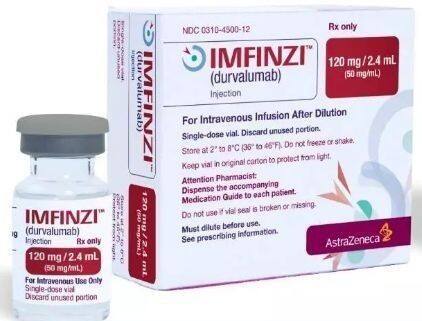
Imfinzi (英飞凡, durvalumab) is a humanized PD-L1 monoclonal antibody that blocks the binding of PD-L1 to PD-1 and CD80, thereby inhibitingTumorTo overcome immune evasion and release suppressed immune responses. To date, Imfinzi has been approved in 54 countries (including the United States, Japan, China, and the entire European Union) for the treatment of patients with unresectable Stage III non-small cell lung cancer (NSCLC) whose disease has not progressed following concurrent chemoradiotherapy with platinum-based chemotherapy. Additionally, Imfinzi has been approved in 11 countries, including the United States, for the treatment of previously treated patients with advanced bladder cancer.
Currently, the supplemental application for Imfinzi in combination with chemotherapy as first-line treatment for extensive-stage small cell lung cancer (ES-SCLC) is under review by the U.S.FDAPriority Review; the Prescription Drug User Fee Act (PDUFA) target date is in the first quarter of 2020.
Tremelimumab is a human monoclonal antibody that targets cytotoxic T-lymphocyte-associated protein 4 (CTLA-4), blocks CTLA-4 activity, promotes T-cell activation, and initiatesTumorimmune response, promoting cancer cell death. Tremelimumab and Bristol-Myers Squibb's marketed antibody drug Yervoy (ipilimumab) target the same checkpoint, CTLA-4.
As part of new drug development programs, Imfinzi is currently being investigated as monotherapy or in combination with tremelimumab and other agents for the treatment of non-small cell lung cancer, small cell lung cancer, bladder cancer, and head and neck cancer,Liver Cancer, cervical cancer, cholangiocarcinoma, and other solid tumorsTumortherapeutic prospects in these areas. (Bioon.com)