

AbbVie’s GnRH Antagonist Orilissa (Elagolix) Demonstrates Significant Reduction in Heavy Menstrual Bleeding Associated with Uterine Fibroids in Phase III Trials
Jan 28, 2020 12:38
CST Updated
12:38

AbbVie
Innovative Drug Developer
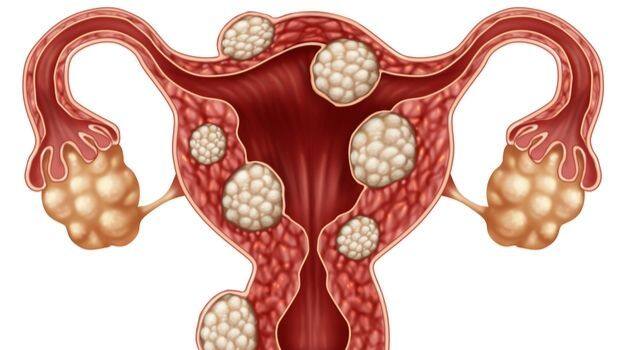
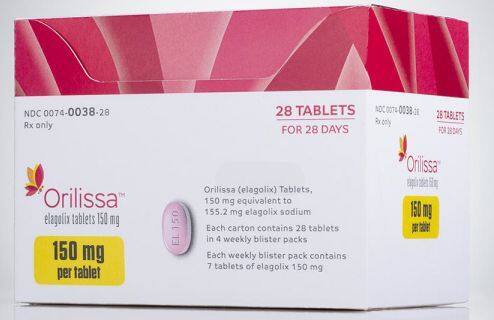
January 28, 2020 News /BioValleyBIOON/ -- Recently, the results of two Phase III studies (UF-1 [NCT02654054] and UF-2 [NCT02691494]) evaluating AbbVie’s gynecological drug Orilissa (elagolix) for the treatment of heavy menstrual bleeding (HMB) associated with uterine fibroids in female patients were published in the prestigious international medical journal The New England Journal of Medicine (NEJM). The article is titled:Elagolix for Heavy Menstrual Bleeding in Women with Uterine FibroidsData show that in female patients with uterine fibroids, Orilissa combined with add-back therapy can effectively reduce heavy menstrual bleeding (HMB).
Orilissa is an oral gonadotropin-releasing hormone (GnRH) antagonist developed by AbbVie in partnership with Neurocrine Biosciences. It was approved by the U.S. FDA in July 2018 for the treatment of moderate to severe pain associated with endometriosis (EMs). Currently, the new drug application for Orilissa for the treatment of heavy menstrual bleeding (HMB) in women with uterine fibroids is under review.FDAreview. If approved, Orilissa will provide an additional oral treatment option for heavy menstrual bleeding (HMB) associated with uterine fibroids.
UF-1 and UF-2 were two replicate pivotal Phase III studies within the Orilissa Phase III clinical program for uterine fibroids. Conducted at approximately 100 clinical sites in the United States and Canada, these trials enrolled nearly 800 premenopausal women experiencing heavy menstrual bleeding (HMB) associated with uterine fibroids (UF-1: n=412; UF-2: n=378). The studies evaluated the safety, tolerability, and efficacy of elagolix monotherapy (300 mg twice daily) and elagolix (300 mg twice daily) combined with low-dose hormone add-back therapy (estradiol 1.0 mg/norethindrone acetate 0.5 mg to compensate for reduced endogenous hormone levels), compared with placebo. The elagolix monotherapy arm was included to assess the impact of add-back therapy on the hypoestrogenic effects of elagolix. Patients received treatment for six months. The primary endpoint was clinical response, defined as menstrual blood loss ≤80 mL during the final month and a ≥50% reduction from baseline.
The results showed that during the final month of the 6-month treatment period, a significantly higher proportion of patients in the elagolix plus add-back therapy group met the primary endpoint criteria compared with the placebo group (UF-1 study: 68.5% vs. 8.7%, p < 0.001; UF-2 study: 76.5% vs. 10%, p < 0.001). Among female patients receiving elagolix monotherapy, 84.1% and 77% met the primary endpoint criteria in the UF-1 and UF-2 studies, respectively. Hot flashes (in both studies) and uterine bleeding (in the UF-1 study) were more common in patients treated with elagolix plus add-back therapy than in those receiving placebo. The hypoestrogenic effects of elagolix, particularly the reduction in bone mineral density, were mitigated by add-back therapy.

The active pharmaceutical ingredient of Orilissa, elagolix, is an oral, small-molecule gonadotropin-releasing hormone (GnRH) receptor antagonist that ultimately reduces circulating levels of gonadal hormones by inhibiting GnRH receptors in the pituitary gland. Currently, AbbVie is investigating elagolix for the treatment of certain ovarian hormone-mediated conditions, such as uterine fibroids and polycystic ovary syndrome.
In July 2018, Orilissa was approved by the U.S. FDA for the treatment of moderate to severe pain associated with endometriosis (EMs). This approval made Orilissa the first and only oral gonadotropin-releasing hormone (GnRH) receptor antagonist specifically indicated for the treatment of moderate to severe EMs-associated pain, as well as the first such therapy in over a decadeFDAThe first oral medication approved for the treatment of moderate to severe pain associated with endometriosis.
Uterine Fibroids Are Non-Cancerous, Hormone-Responsive Muscular Tissues of the UterusTumor. Fibroids may be asymptomatic, but in some women, they can cause symptoms such as heavy menstrual bleeding (HMB) and vaginal bleeding outside of the menstrual period,Anemiaand other symptoms related to women's health. Treatment options for uterine fibroids include surgery (hysterectomy, myomectomy), endometrial ablation, uterine artery embolization, as well as magnetic resonance imaging (MRI)-guided ultrasound and medical management with medications, including oral contraceptives, progestins, selective progesterone receptor modulators, and gonadotropin-releasing hormone (GnRH) agonists.
Data from Phase III trials confirm that, compared with placebo, elagolix in combination with add-back therapy significantly reduces uterine fibroid-related heavy menstrual bleeding (HMB). This regimen has the potential to provide an important oral therapeutic option for women with uterine fibroids, thereby improving care for this patient population. (Bioon.com)