

Taking on the Hardest Challenges: Shizhijue's "Integrated Software-Hardware-Consumables Solution" Forges a New Path in Clinical Ultrasound AI

SHIZHIJUE
Developer of AI-Assisted Diagnostic and Treatment Systems
In recent years, AI-powered ultrasound has undoubtedly emerged as one of the most mature and fiercely competitive sectors within the medical AI landscape. From the thyroid and breast to the heart and liver, a surge of companies has entered the field of lesion detection and computer-aided diagnosis, accelerating the intelligent transformation of ultrasound equipment. However, while manufacturers continue to compete intensely in diagnostic applications, a long-overlooked niche segment is quietly rising—musculoskeletal ultrasound.
As the name suggests, musculoskeletal ultrasound is an imaging technique that utilizes high-frequency ultrasound to perform non-invasive examinations of muscles, bones, and surrounding soft tissues. By employing high-frequency transducers, it can visually and clearly depict the morphology and spatial relationships of structures such as the skin, fascia, muscles, tendons, ligaments, joint cavities, synovium, and peripheral nerves, thereby determining the extent, type, and severity of pathological changes.
Unlike traditional ultrasound, which primarily serves diagnostic purposes, musculoskeletal ultrasound is increasingly being integrated into therapeutic procedures. In departments such as pain management, sports medicine, rehabilitation, anesthesiology, and orthopedics, interventions including nerve blocks, intra-articular injections, platelet-rich plasma (PRP) therapy, and acupotomy all rely on real-time ultrasound guidance. For clinicians, ultrasound is not merely a diagnostic tool but also the "second pair of eyes" in precision medicine.
This has also made musculoskeletal ultrasound one of the fastest-growing segments within the ultrasound field in recent years. Data from the demand side supports this assessment: according to WHO data, approximately 1.71 billion people worldwide are suffering from musculoskeletal disorders. It is projected that by 2030, more than 400 million patients in China with musculoskeletal disorders will require rehabilitation treatment. With accelerating population aging and an increase in sports-related injuries, the market for musculoskeletal diagnosis and treatment continues to expand.
Yet in stark contrast to the immense demand, musculoskeletal ultrasound continues to face a core bottleneck—a severe shortage of physicians. As one of the most challenging subspecialties in ultrasound, musculoskeletal ultrasound involves hundreds of anatomical structures throughout the body, over a hundred standard imaging planes, and complex dynamic tissue changes, far exceeding what conventional imaging AI can cover. Furthermore, diagnosis is susceptible to variations in operator technique, patient positioning, and equipment differences. Physicians typically require 3–5 years of systematic training to independently perform diagnosis and treatment. Industry statistics indicate that fewer than 2,000 physicians across China are capable of independently conducting musculoskeletal ultrasound diagnosis and treatment.
How to enable more clinicians to learn and effectively utilize ultrasound has become a key bottleneck restricting the widespread adoption of musculoskeletal diagnosis and treatment, thereby raising high expectations for AI.
Recently, the color ultrasound diagnostic system independently developed by Beijing Shizhijue Intelligent Technology Co., Ltd. (hereinafter referred to as "Shizhijue") officially received its medical device registration certificate. Following the acquisition of China's first registration certificate for musculoskeletal ultrasound image processing software, Shizhijue has further completed its full-chain layout integrating "software, hardware, and disposables," spanning from AI software to ultrasound hardware and then to single-use consumables, thereby becoming a provider of integrated hardware, software, and consumable solutions for clinical ultrasound AI.
Not only that, its performance on the commercial front is equally commendable—2025 marked the first year of commercialization for Shizhijue. By the end of December 2025, its products had been adopted by nearly 400 hospitals, over 90% of which were top-tier hospitals in China. In terms of overseas markets, the company has obtained FDA, CE, Singapore, Malaysia, Thailand TFDA, and other international certifications, and has entered the United States, Spain, and Italy, gaining recognition from local experts.
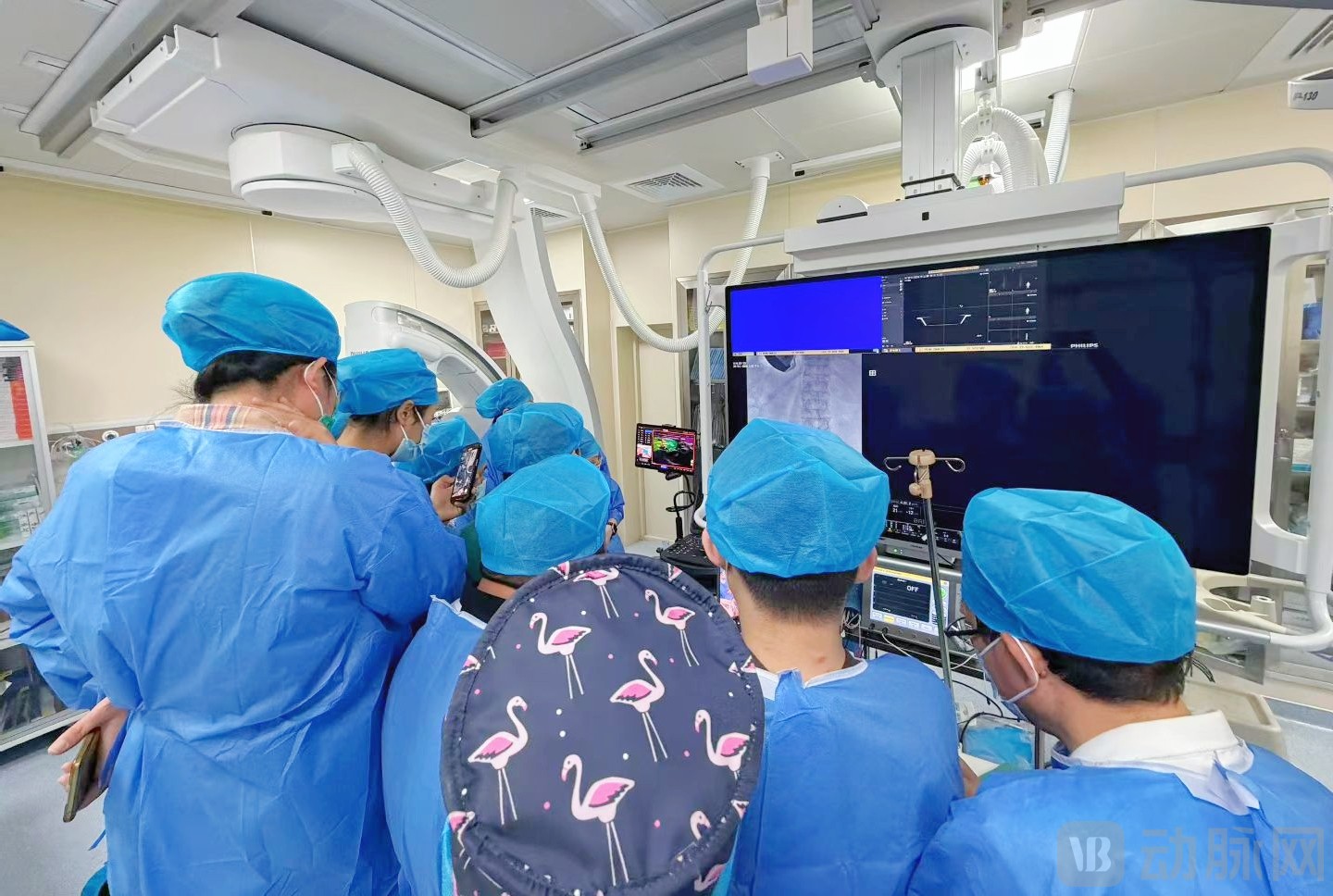
Doctor Uses Shizhijue AI-Powered Musculoskeletal Ultrasound for Surgical Demonstration
Before founding Shizhijue, Zhang Chen served as the Director of Major Projects at a medical AI company, where he worked on thyroid and breast ultrasound-related businesses, expanded services to over 300 top-tier hospitals in China, and gained firsthand experience in the commercial implementation of medical AI.
During his business development efforts, he discovered that physicians' acceptance of AI-assisted grading for thyroid and breast diagnostics was low, regardless of whether they worked at top-tier hospitals in China or primary care facilities. After in-depth research, the team identified the core issue: "Thyroid and breast grading is a mandatory course for radiologists during their medical training. It is naturally difficult to gain their recognition when AI attempts to inform them of knowledge they have long mastered," recalled Zhang Chen.
The real pain point lies within clinical departments. There is a strong demand among physicians in pain rehabilitation, anesthesiology, neurology, rheumatology and immunology, orthopedics, acupotomy, and acupuncture for ultrasound-guided precision therapy. However, these clinicians had little to no exposure to ultrasound training during their medical education, even though procedures such as precision anesthesia, nerve blocks, and visualized acupotomy now critically require ultrasound guidance.
With clear pain points and rigid demands, Shizhijue has established its direction of deeply cultivating clinical ultrasound AI, providing solid support for the intelligent, standardized, and visualized development of clinical diagnosis and treatment.
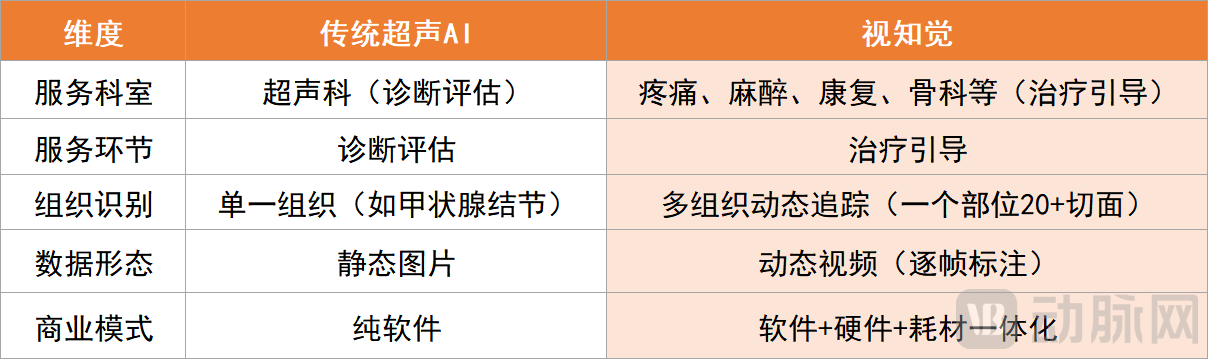
However, AI for musculoskeletal ultrasound is not a simple transfer of technology. Shizhijue's ability to establish a first-mover advantage in this sector stems from its construction of three formidable, hard-to-replicate barriers.
Barrier 1: Multi-Tissue Dynamic Tracking Algorithm
Traditional ultrasound AI (e.g., for thyroid and breast) addresses static diagnostic grading of single tissues, whereas Shizhijue focuses on therapeutic navigation across multiple tissues. Its AI system covers seven major anatomical regions—shoulder, elbow, wrist, hip, knee, ankle, and neck—encompassing over 100 standard imaging planes and more than 300 anatomical structures. It supports precise diagnosis and intervention guidance for over 10 common musculoskeletal disorders, including frozen shoulder, carpal tunnel syndrome, knee osteoarthritis, plantar fasciitis, and tenosynovitis.
At the core of this technology lies the "Multi-Tissue Dynamic Tracking" algorithm. Musculoskeletal ultrasound scanning produces dynamic video sequences, demanding highly sophisticated dynamic recognition of tissue layers and adjacent anatomical structures. The AI developed by Shizhijue can automatically identify and precisely annotate anatomical structures such as muscles, tendons, ligaments, and nerves, transforming conventional grayscale ultrasound images into intuitive, clear-colored anatomical maps. In interventional scenarios, the system intelligently plans needle insertion paths and provides real-time alerts for nearby hazardous areas, including blood vessels and nerves. This transforms ultrasound-guided procedures—such as nerve blocks, acupotomy release, and target-specific injections—from "blind operations" into "precision interventions," resulting in lower risks and more consistent outcomes.
More importantly, this capability significantly reduces the reliance of musculoskeletal ultrasound on physicians' experience and manual operation skills. Traditionally, the learning curve for musculoskeletal ultrasound spans 3–5 years; however, with AI empowerment, young physicians can quickly become proficient and achieve precise localization after just 3–6 months of training. This transforms the traditional model, which heavily depends on individual expertise, into a new paradigm that is intelligent, standardized, and efficient.
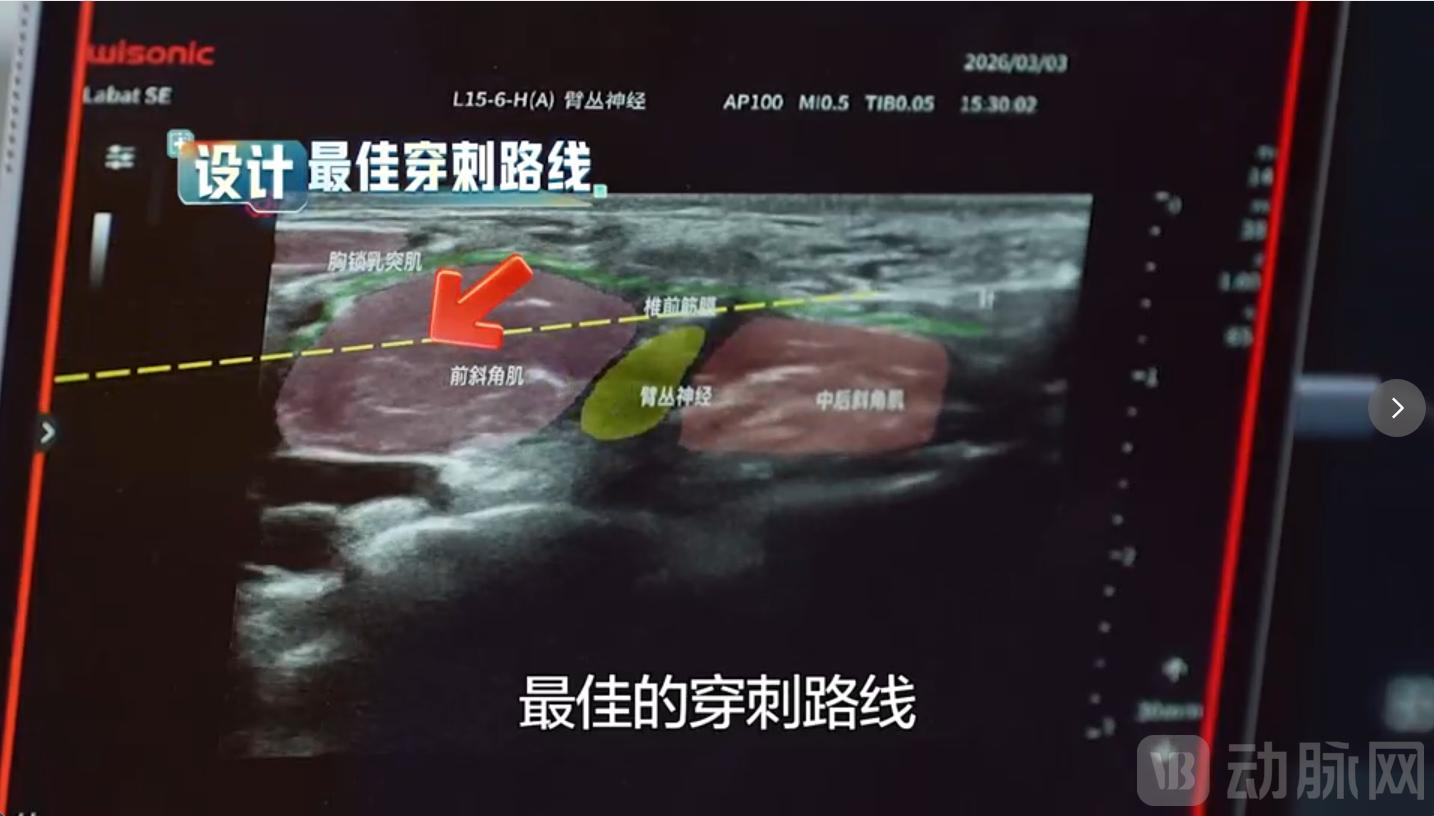
Optimal Puncture Route Guidance
Barrier 2: A Moat of Scarce Data
More difficult to replicate than algorithms is data. The scanning process of musculoskeletal ultrasound produces a video segment; however, unless hospitals have research needs, they typically only capture static images for inclusion in medical records and do not retain the complete video. This means there are no publicly available musculoskeletal ultrasound video datasets on the market, and all data must be built from scratch.
"All our data are based on standards developed by our expert team, with frame-by-frame annotation performed in-house and subsequently reviewed by experts, before being used for model training," disclosed Zhang Chen. More importantly, the co-founder and Chief Medical Officer of Shizhijue serves as the Chairman of the Musculoskeletal and Superficial Ultrasound Committee of the Chinese Research Hospital Association, enabling the company to leverage research data from over one hundred hospitals across China. This constitutes Shizhijue's unique advantage in data sourcing.
Barrier 3: The First Registration Certificate and the Leading Window Period
In 2024, Shizhijue secured China's first medical device registration certificate for musculoskeletal ultrasound image processing software; in April 2026, it further obtained the registration certificate for a color ultrasound diagnostic system. Zhang Chen stated that this means the company has at least a three-year window of leadership.
Technical barriers create a moat, but the ultimate test for medical AI always lies in commercial implementation. Over the past few years, most medical AI companies have been attempting to find viable commercialization pathways. However, pure software models generally face challenges such as difficulties in procurement approval and ambiguous value assessment. Shizhijue's solution is an "integrated hardware-software-consumables" model.
In Zhang Chen's view, AI cannot exist independently of ultrasound equipment, just as autonomous driving cannot be separated from the vehicle. True intelligent ultrasound is not merely about connecting software to devices, but achieving deep integration at the foundational level—through open SDK ports, screen sharing, and functional embedding—thereby directly integrating AI capabilities into the ultrasound system. The registration certificate for the color ultrasound diagnostic system, approved in April 2026, marks the transition of this integration from concept to a compliant commercial product.
More importantly, the integration of software and hardware transforms Shizhijue from a "tool provider" into a "process participant." Traditional ultrasound AI (e.g., in thyroid and breast applications) does not involve therapeutic interventions, utilizing at most coupling gel, which makes it difficult to establish sustained user stickiness. In contrast, clinical scenarios targeted by Shizhijue—such as pain management, anesthesiology, and rehabilitation—naturally involve the use of therapeutic consumables like puncture needles, platelet-rich plasma (PRP), and sodium hyaluronate. AI handles visual recognition and precise navigation, while consumables deliver the specific treatment; both are integrated into the clinical diagnosis and treatment workflow.
"With this clinical ultrasound AI, traditional open surgeries can be transformed into minimally invasive procedures, and traditional inpatient surgeries can be shifted to outpatient settings," Zhang Chen further elaborated. Primary care hospitals can now locally perform musculoskeletal diagnoses and treatments for conditions such as carpal tunnel syndrome, frozen shoulder, and plantar fasciitis, without the need for cross-regional referrals. For hospitals, this represents the development of a new discipline; for patients, it means accessing treatment closer to home and reducing their burden; for health insurance funds, it ensures that expenditures remain within the local region.
It is reported that Shizhijue's AI-powered musculoskeletal ultrasound products have been deployed in more than 260 top-tier hospitals in China, cumulatively serving over 10 million patients. Overseas, these products have entered markets including the United States, Spain, and Italy.
"Although the application of musculoskeletal ultrasound is relatively mature overseas, its level of AI integration remains low. While there are foreign companies working in similar directions, their functionalities are far more limited than ours," stated Zhang Chen. He noted that Shizhijue's AI-powered musculoskeletal ultrasound solution not only fills a domestic gap in this field but also establishes a significant competitive advantage globally through its more comprehensive functional coverage.
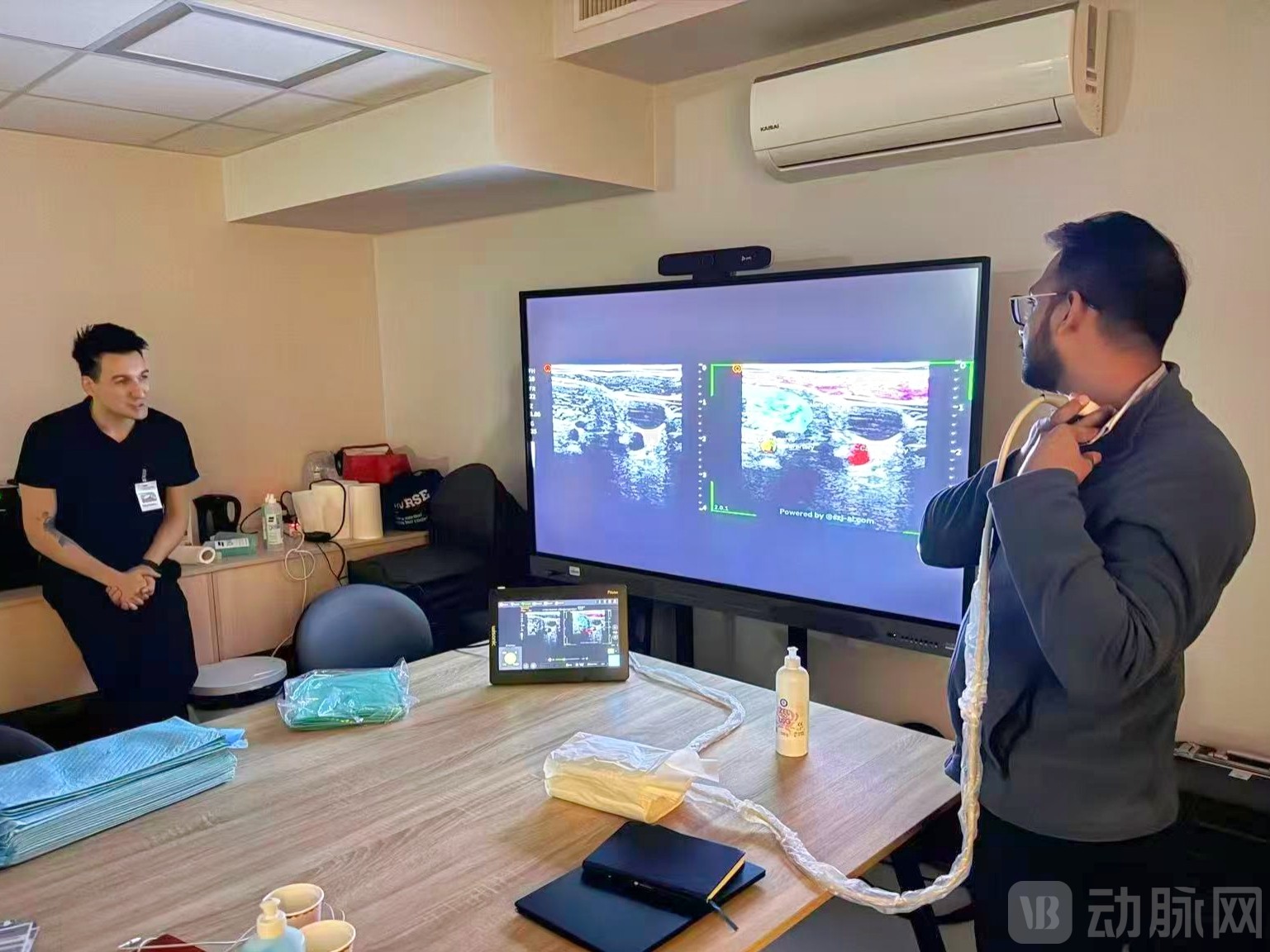
Foreign Doctors Use Shizhijue Devices
Having established a viable commercialization loop, Shizhijue's next step is to advance its musculoskeletal ultrasound AI into more complex clinical scenarios and reach a broader patient population, in line with its established strategic framework.
This strategy was summarized by Zhang Chen as "One Horizontal, Eight Vertical." The "One Horizontal" refers to ultrasound medicine as the technological foundation; the "Eight Vertical" vertically cover clinical departments such as pain management, rehabilitation, anesthesiology, traditional Chinese medicine, neurology, orthopedics, and intensive care, with in-depth development tailored to the specific needs of each department.
In terms of anatomical site expansion, applications for the shoulder, elbow, wrist, hip, knee, ankle, and anterior neck are already highly mature. Functional modules for the spine (cervical, thoracic, lumbar, and sacral regions), primary care diagnostics and treatment, and medical aesthetics for the head and face will be successively launched by the end of June 2026. Future developments will extend into more complex ultrasound-guided therapeutic areas, such as pediatric diaphragmatic hernia.
Of greater significance is the trend toward the home adoption of ultrasound. Zhang Chen believes that with advancements in AI and portable ultrasound technology, certain ultrasound applications are expected to gradually extend into home settings in the future. Taking medical aesthetics as an example, users may soon be able to use AI-enabled ultrasound devices at home to scan subcutaneous fat and receive assessment reports, thereby independently deciding whether to pursue further treatment. As ultrasound transitions from "large-scale hospital equipment" to a "home health terminal," its market boundaries will be fundamentally expanded.
From clinical departments to home settings, Shizhijue is expanding the reach of its AI-powered musculoskeletal ultrasound.